Living with celiac disease or gluten sensitivity requires constant vigilance in the kitchen. Cross-contamination can turn a safe meal into a source of discomfort and health issues.

Creating a dedicated gluten-free kitchen space isn’t just about choosing the right ingredients—it’s about having the right tools and keeping them completely separate from gluten-containing items. Whether you’re newly diagnosed, cooking for someone with gluten intolerance, or simply want to maintain a safer kitchen environment, understanding which tools need separation and how to organize them effectively can make all the difference in preventing accidental gluten exposure.
🍳 Why Kitchen Tool Separation Matters for Gluten-Free Living
Gluten proteins are incredibly sticky and resilient. They cling to porous surfaces, hide in scratches on cutting boards, and lurk in the crevices of wooden spoons. Even trace amounts—as little as 20 parts per million—can trigger reactions in sensitive individuals.
Standard washing, even in a dishwasher, doesn’t always eliminate every gluten particle. Shared kitchen tools create an invisible web of cross-contamination risk that can sabotage even the most carefully planned gluten-free meals. This is why dedicated tools aren’t just recommended—they’re essential for anyone serious about maintaining a truly gluten-free diet.
The financial investment in duplicate kitchen tools pays dividends in health outcomes and peace of mind. Think of it as insurance against the physical discomfort, lost productivity, and potential long-term health consequences of repeated gluten exposure.
🔪 Essential Cutting and Prep Tools That Need Separation
Your cutting and preparation tools are the frontline of cross-contamination defense. These items come into direct, prolonged contact with food and often have surfaces that trap gluten particles.
Cutting Boards: Your First Line of Defense
Cutting boards top the list of items that absolutely must be separated. Plastic and wooden boards develop knife scars over time, creating microscopic grooves where gluten hides. Even thorough scrubbing cannot reliably remove all traces from these scratches.
Invest in color-coded cutting boards—designate one color exclusively for gluten-free foods. Many celiac support organizations recommend using dedicated boards for at least five years before even considering replacement. Glass or marble boards, while less knife-friendly, are non-porous alternatives that don’t harbor gluten as easily.
Knives and Kitchen Shears
While smooth stainless steel knives are easier to clean than porous items, handles often contain seams, rivets, or textured grips where gluten can accumulate. Kitchen shears with their pivot points and springs are particularly problematic.
Designate specific knives for gluten-free food preparation. Mark them with colored tape on the handles or store them in a completely separate location from your regular cutlery.
🥄 Utensils and Mixing Tools: The Hidden Contamination Risk
Stirring, mixing, and serving utensils present unique challenges because they’re often used across multiple dishes and moved between containers during cooking.
Wooden Spoons and Spatulas
Wood is porous by nature, making wooden utensils impossible to fully decontaminate once they’ve been used with gluten-containing foods. The grain structure of wood absorbs liquids and particles that become permanently embedded.
Replace all wooden spoons, spatulas, and other utensils with dedicated gluten-free versions. Consider switching to silicone or stainless steel alternatives that don’t absorb food particles and can be thoroughly sanitized.
Measuring Cups and Spoons
Flour is the most common gluten source in kitchens, and standard measuring cups used for all-purpose flour will retain gluten particles. The seams where handles attach and any engraved measurement markings can trap contaminated flour.
Keep separate measuring sets clearly labeled for gluten-free use only. Store them in a designated cabinet away from your regular baking supplies to prevent accidental mix-ups during busy cooking sessions.
Mixing Bowls and Colanders
While stainless steel and glass bowls are less problematic than porous materials, plastic mixing bowls can develop scratches that harbor gluten. Colanders and strainers used for regular pasta are particularly high-risk items.
Dedicate specific mixing bowls to gluten-free cooking, preferably glass or stainless steel. Purchase a separate colander that has never touched wheat pasta—this single item can be a major source of accidental contamination.
🍞 Baking Equipment: Where Separation is Critical
Baking involves the highest concentrations of gluten in most kitchens, making separation of baking tools absolutely non-negotiable for safety.
Rolling Pins and Pastry Brushes
Traditional wooden rolling pins are impossible to fully clean of flour residue. The wood grain absorbs flour particles that remain even after washing. Pastry brushes, whether natural or synthetic bristles, trap flour in the bristle base.
Choose a silicone or stainless steel rolling pin for gluten-free baking. Replace traditional pastry brushes with silicone versions that can be thoroughly cleaned or keep dedicated natural bristle brushes for gluten-free use only.
Baking Pans and Cookie Sheets
Scratched non-stick coatings and darkened areas on baking sheets can harbor gluten residue. The corners and seams of baking pans are difficult to clean completely, especially after years of use with gluten-containing batters.
Invest in a complete set of baking pans, cookie sheets, muffin tins, and cake pans designated exclusively for gluten-free baking. Mark them clearly with permanent marker or engraving to prevent confusion.
Sifters and Flour Containers
Flour sifters are essentially impossible to clean thoroughly—the fine mesh and mechanical parts trap flour particles that resist removal. Any container that has stored wheat flour retains a coating of gluten dust.
Never attempt to share sifters between gluten and gluten-free baking. Purchase new airtight containers for gluten-free flour storage, and label them prominently to prevent accidental contamination from gluten flour dust in the air.
🔥 Cooking Surfaces and Appliances That Need Attention
Your cooking surfaces and small appliances require special consideration because they’re often shared by necessity or cost, but some definitely need separation.
Toasters: The Number One Contamination Culprit
Regular toasters are gluten contamination bombs. Crumbs from wheat bread coat every interior surface, and those crumbs fall directly onto anything you toast. Cross-contamination is inevitable with shared toasters.
A dedicated gluten-free toaster is absolutely essential—this is not optional. Even toaster bags, while helpful for travel, don’t eliminate all risk. Place your gluten-free toaster in a separate location from the regular one to prevent airborne crumb contamination.
Waffle Irons and Griddles
The textured surfaces and crevices of waffle irons trap batter residue that’s extremely difficult to clean. Cast iron griddles are porous and build up seasoning layers that may contain gluten from previous use.
If your household regularly makes both gluten and gluten-free waffles or pancakes, separate appliances are necessary. For cast iron cookware, dedicate specific pieces to gluten-free cooking and never use them for gluten-containing foods.
Bread Machines and Pasta Makers
These specialized appliances have numerous nooks, crannies, and moving parts that trap flour and dough. The kneading paddles, dough chambers, and extrusion dies of pasta makers are nearly impossible to clean to a gluten-free standard.
Don’t attempt to share these appliances. The risk is simply too high. If you make both types of products, invest in separate machines or choose to make only gluten-free versions in your household.
🧈 Condiments, Spreads, and Shared Containers
Double-dipping contamination is one of the most overlooked sources of gluten exposure. This occurs when someone spreads butter on regular bread, then returns the knife to the shared container.
The Double-Dipping Danger
Butter, peanut butter, jam, cream cheese, mayonnaise, and other spreads become contaminated through shared use. Crumbs from glutenous bread transfer directly into the container, making it unsafe for gluten-free use.
Maintain separate, clearly labeled containers of all spreads for gluten-free use. Place “gluten-free only” labels on jars and teach household members to use clean utensils every time. Consider using squeeze bottles for items like mayonnaise and ketchup to eliminate knife contamination entirely.
Cooking Oils and Frying Equipment
Oil used to fry breaded gluten-containing foods becomes contaminated and cannot be used for gluten-free cooking. Deep fryers and frying pans that regularly cook breaded items pose cross-contamination risks.
Never reuse frying oil if it has been used for gluten-containing breaded foods. Consider having a dedicated frying pan or pot for gluten-free cooking if your household frequently prepares breaded items.
📱 Organizing Your Gluten-Free Kitchen for Success
Having separate tools is only half the battle—organization and household education complete the safety equation.
Storage Solutions That Prevent Mix-Ups
Designate specific cabinets or shelving for gluten-free tools and ingredients. Use the upper shelves for gluten-free items to prevent crumb contamination from items stored above. Clear plastic bins with bold labels create visual boundaries that help prevent accidental tool sharing.
Color coding is incredibly effective. Choose a specific color—many use green—for all gluten-free tools. Colored tape on handles, colored storage containers, and even colored dish towels create instant visual identification that reduces mistakes.
Training Your Household
The best tool separation system fails if household members don’t understand or follow the protocols. Schedule a family meeting to explain why separation matters and demonstrate the system you’ve created.
Create simple, posted guidelines near cooking areas. Use positive language: “Please use the green cutting board for Sarah’s meals” rather than negative commands. Make the system as intuitive as possible so compliance becomes automatic.
✅ Your Ultimate Separation Checklist
Use this comprehensive checklist to ensure you’ve covered all the essential items in your gluten-free kitchen separation plan:
- Cutting and Prep: Dedicated cutting boards, knives, kitchen shears, peelers, and graters
- Utensils: Separate wooden spoons, spatulas, tongs, ladles, and serving spoons
- Measuring: Exclusive measuring cups, measuring spoons, and kitchen scale (or thoroughly cleaned)
- Mixing: Dedicated mixing bowls, colanders, strainers, and whisks
- Baking: Separate rolling pins, pastry brushes, sifters, baking pans, cookie sheets, and muffin tins
- Appliances: Gluten-free-only toaster, waffle iron (if applicable), bread machine, and pasta maker
- Cookware: Dedicated cast iron if used, separate frying oil and equipment for breaded foods
- Spreads: Individual jars of butter, peanut butter, jam, and other shareable condiments
- Storage: Separate flour containers, labeled bins, and designated cabinet space
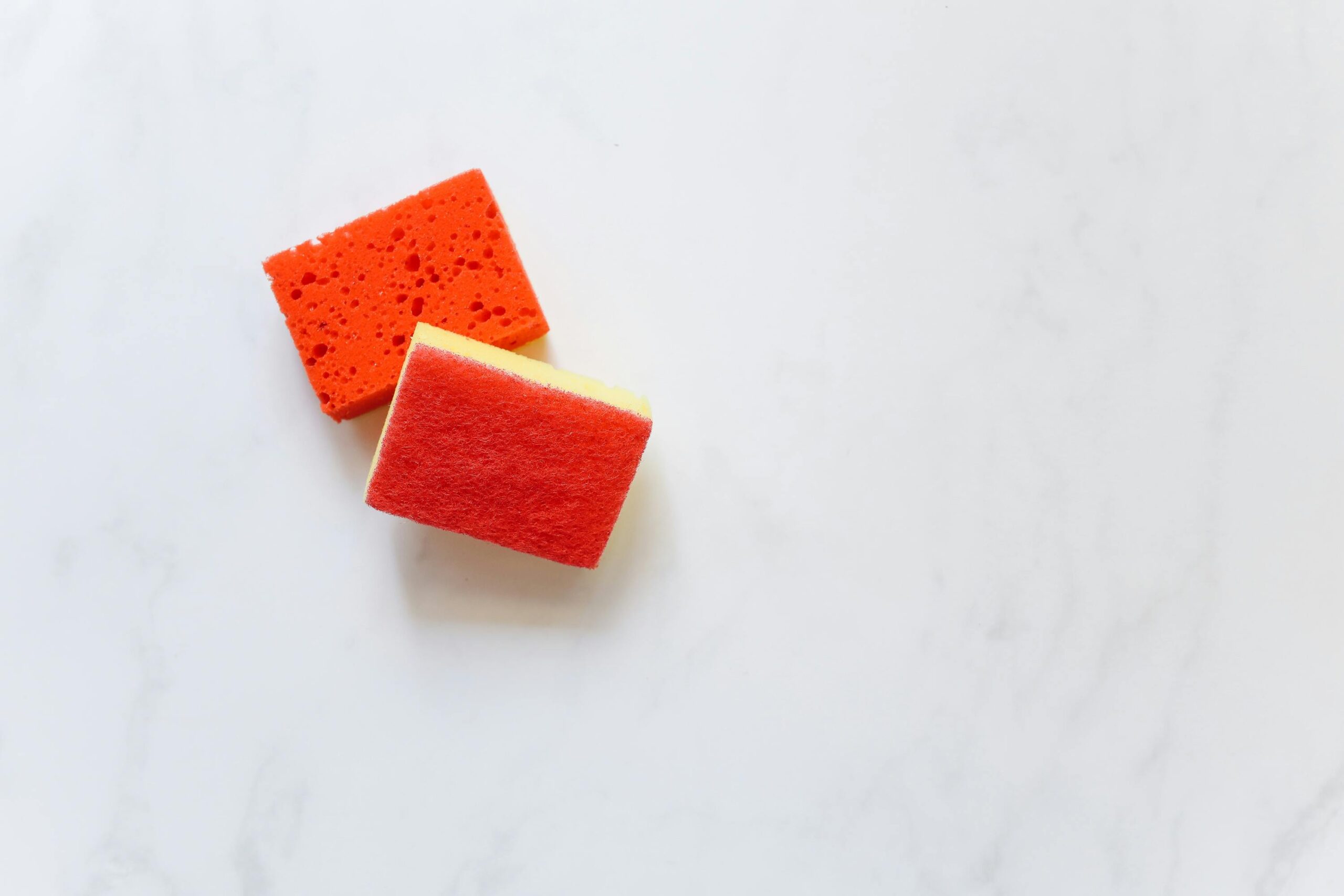
- Cleaning: Dedicated sponges or dishcloths for washing gluten-free items
💰 Budget-Friendly Separation Strategies
Creating a fully separated gluten-free kitchen can feel financially overwhelming, but strategic planning makes it manageable.
Prioritize items based on contamination risk. Start with the absolute essentials: toaster, cutting board, colander, and wooden utensils. These pose the highest risk and should be addressed first. Gradually add other items as your budget allows.
Shop secondhand for items like baking pans and mixing bowls that have never been used with gluten. Many people donate barely-used kitchen items that are perfect for starting a gluten-free kitchen. Thrift stores and online marketplaces offer significant savings on new-to-you equipment.
Consider downgrading your gluten-containing tools and upgrading your gluten-free versions. The person with celiac disease or gluten sensitivity should have the best, newest equipment while the standard kitchen tools can be older or less expensive.
🏡 Making Separation Work in Small Kitchens
Limited space presents unique challenges for tool separation, but creative solutions exist for compact kitchens.
Vertical storage maximizes space efficiency. Install hooks, magnetic strips, and wall-mounted shelves to keep gluten-free tools visible and separate. Over-the-door organizers provide additional storage without consuming precious cabinet space.
Portable storage bins allow you to keep gluten-free tools together and move them to accessible locations during meal preparation. After cooking, the entire bin can be stored away, maintaining separation without requiring permanent counter or cabinet space.
Consider a kitchen cart dedicated to gluten-free cooking. This mobile station can hold your essential tools, be positioned near your cooking area when needed, and wheeled away when not in use.
🌟 Beyond Tools: Creating a Truly Safe Gluten-Free Kitchen
Tool separation is crucial, but it’s part of a larger system of gluten-free kitchen management.
Establish cleaning protocols that prevent cross-contamination. Wash gluten-free items first, before any gluten-containing dishes touch the sink or dishwasher. Use separate sponges or dishcloths for gluten-free items, or switch to disposable options for high-risk situations.
Be mindful of airborne flour contamination. When someone bakes with wheat flour, the fine particles remain suspended in the air and settle on surfaces throughout the kitchen. Cover gluten-free tools and ingredients during gluten baking sessions, or consider timing gluten-free and gluten baking on different days.
Regular kitchen audits help maintain your system. Once a month, check that labels remain clear, tools haven’t been accidentally mixed between categories, and household members are following protocols. Adjust your system based on what’s working and what isn’t.
🎯 Staying Committed to Your Gluten-Free Safety System
Creating a separated gluten-free kitchen requires initial effort and ongoing vigilance, but the health benefits are immeasurable. For someone with celiac disease, consistent gluten avoidance isn’t about preference—it’s about preventing intestinal damage and long-term health complications.
Remember that perfection isn’t the goal—consistent, conscientious effort is. Mistakes happen, especially during the adjustment period. Use them as learning opportunities to improve your system rather than reasons to abandon your efforts.
Connect with the celiac and gluten-free community for ongoing support and practical tips. Online forums, local support groups, and celiac disease organizations offer valuable resources for troubleshooting challenges and staying motivated.
Your investment in proper tool separation creates more than just a safer kitchen—it builds confidence, reduces anxiety around meals, and demonstrates care for the health and wellbeing of everyone who needs to avoid gluten. The separated kitchen becomes a space where gluten-free individuals can cook and eat without constant fear of contamination, transforming meals from stressful events into enjoyable experiences.
By following this comprehensive checklist and implementing thoughtful organizational strategies, you’re creating an environment where gluten-free living becomes significantly easier. The dedication you show to maintaining separate tools reflects a commitment to health that pays dividends every single day, with every safe, delicious, contamination-free meal you prepare and enjoy. 🌾✨