Every year, millions of people suffer from foodborne illnesses that could have been prevented with proper kitchen safety practices. Cross-contamination is one of the leading causes of these preventable health issues.

Understanding how bacteria, viruses, and other pathogens spread in your kitchen environment is essential for protecting your family’s health. The good news is that with the right knowledge and consistent habits, you can dramatically reduce the risk of cross-contamination and create a safer cooking space for everyone in your home.
🦠 Understanding Cross-Contamination: The Invisible Kitchen Threat
Cross-contamination occurs when harmful bacteria or other microorganisms are transferred from one surface, food item, or utensil to another. This transfer can happen in several ways, and understanding these pathways is your first line of defense against foodborne illness.
The most common form involves raw meats, poultry, and seafood, which often carry bacteria like Salmonella, E. coli, and Campylobacter. When these raw proteins come into contact with ready-to-eat foods, cutting boards, or unwashed hands, the bacteria can spread rapidly. Even a tiny amount of contaminated juice from raw chicken can harbor enough pathogens to make someone seriously ill.
Cross-contamination isn’t limited to raw meats alone. Unwashed produce, contaminated water, and even reusable shopping bags can introduce harmful microorganisms into your kitchen. The key is recognizing that many contamination sources are invisible to the naked eye, making prevention strategies absolutely essential.
✋ Hand Hygiene: Your Most Important Kitchen Tool
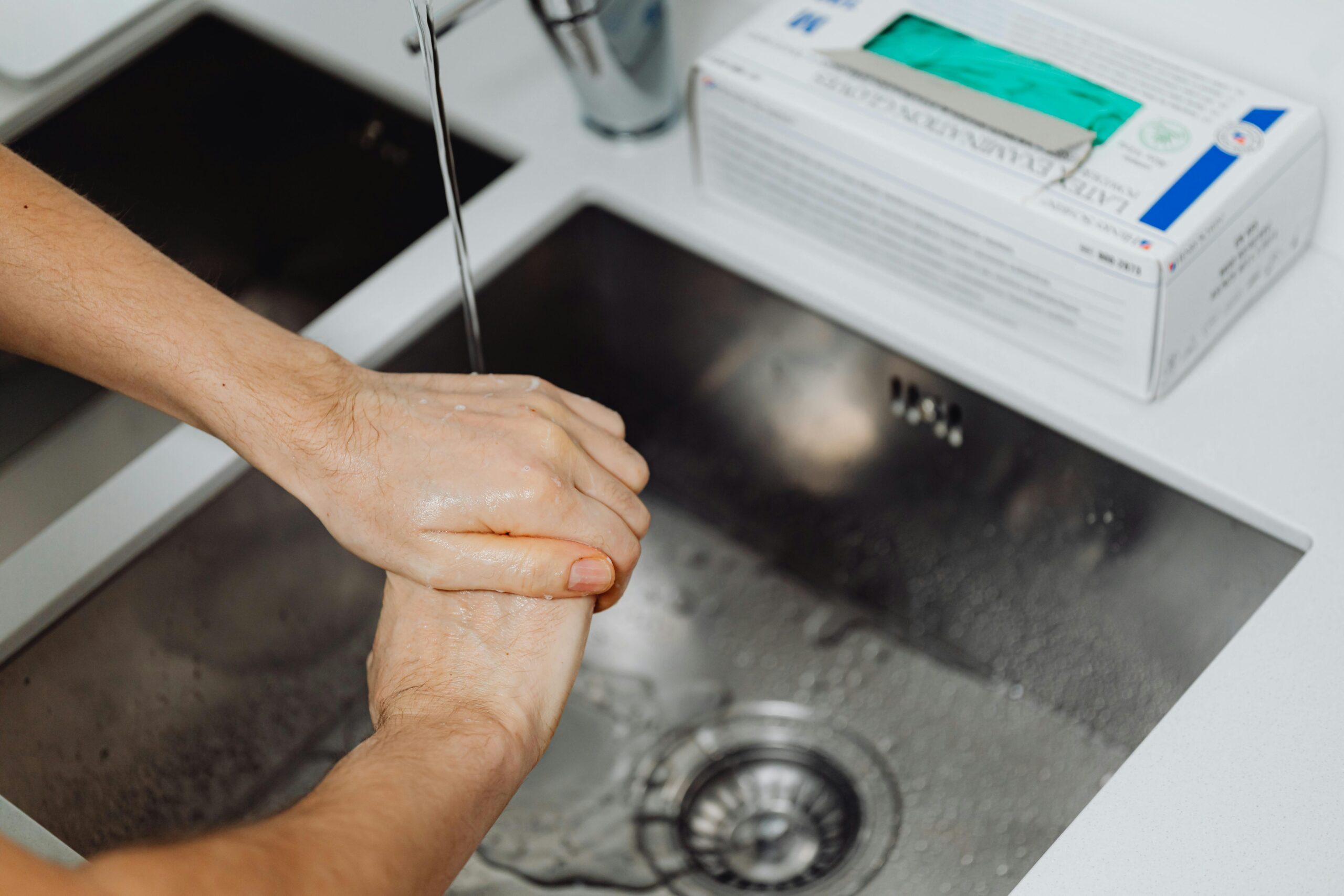
Your hands are the most versatile tools in your kitchen, but they’re also potential vehicles for contamination. Proper hand washing is the cornerstone of kitchen safety, yet many home cooks don’t wash their hands frequently enough or thoroughly enough.
Effective handwashing requires more than a quick rinse under the faucet. You should wash your hands with soap and warm water for at least 20 seconds, making sure to scrub all surfaces including between fingers, under nails, and up to your wrists. This should happen before you start cooking, after handling raw meat or poultry, after touching your face or hair, after using the restroom, and whenever switching between different food preparation tasks.
Consider keeping a timer near your sink or singing a short song to ensure you’re washing for the full 20 seconds. This simple habit can reduce the spread of pathogens by up to 50% in your kitchen environment.
🔪 Cutting Board Safety: Creating Separate Zones
Cutting boards are among the most contaminated items in any kitchen, making their proper use and maintenance critical for preventing cross-contamination. The single most important rule is to never use the same cutting board for raw meat and ready-to-eat foods without thorough cleaning and sanitization in between.
Many food safety experts recommend maintaining separate cutting boards designated for specific food types. A color-coding system can help you remember which board is for what purpose:
- Red boards: Raw meat and poultry
- Blue boards: Raw seafood
- Green boards: Fruits and vegetables
- White boards: Dairy products and bread
- Yellow boards: Cooked meats
If maintaining multiple boards isn’t practical for your kitchen, at a minimum have one board exclusively for raw proteins and another for everything else. Plastic boards are generally easier to sanitize than wooden ones, though both can be safe when properly maintained.
After each use, wash cutting boards with hot, soapy water, then sanitize with a solution of one tablespoon of unscented liquid chlorine bleach per gallon of water. Let the solution sit on the surface for several minutes before rinsing thoroughly and air drying.
🍗 Safe Food Storage: Organization Matters
How you organize your refrigerator plays a significant role in preventing cross-contamination. Many people don’t realize that improper storage can allow bacteria-laden drips from raw meat to contaminate other foods.
Always store raw meat, poultry, and seafood on the lowest shelf of your refrigerator, preferably in containers or on plates that can catch any dripping juices. This prevents contamination of foods stored below. Ready-to-eat foods like leftovers, deli meats, and prepared salads should be stored on upper shelves.
Keep raw proteins wrapped securely and separated from other foods. Use airtight containers or sealed plastic bags to prevent leakage. If you’re thawing frozen meat in the refrigerator, place it in a container or on a rimmed plate to catch any liquid that may escape during defrosting.
🧽 Kitchen Surfaces and Equipment: Hidden Contamination Hotspots
Kitchen countertops, sinks, and equipment require regular cleaning and sanitization, especially after preparing raw proteins. Many surfaces that appear clean may still harbor harmful bacteria that can survive for hours or even days.
Clean and sanitize countertops before and after food preparation. Use different cleaning cloths for different tasks, and wash kitchen towels and sponges frequently in hot water. Sponges, in particular, can become breeding grounds for bacteria and should be replaced regularly or sanitized daily by microwaving them damp for one minute or running them through the dishwasher.
Don’t forget about often-overlooked items like refrigerator handles, faucet knobs, can openers, and drawer pulls. These high-touch surfaces can transfer contamination from your hands to clean foods and vice versa.
🥗 Produce Preparation: Don’t Skip the Wash
Many people assume that fruits and vegetables are safe because they’re plant-based, but produce can carry harmful bacteria from soil, water, handling, or contact with animals. Even organic produce and items you plan to peel should be washed before use.
Rinse all produce under running water immediately before eating or cooking. For firm produce like melons and cucumbers, use a clean brush to scrub the surface. Leafy greens should be separated and rinsed individually under running water. Even pre-washed salad greens benefit from an additional rinse at home.
Avoid using soap, detergent, or commercial produce washes, as fruits and vegetables can absorb these products. Plain running water is sufficient and safest for cleaning produce. Dry items with a clean towel or paper towel to remove any remaining bacteria on the surface.
🍳 Safe Cooking Temperatures: The Kill Zone
Cooking food to proper internal temperatures is your final defense against foodborne pathogens. Even if some cross-contamination has occurred during preparation, adequate cooking can kill harmful bacteria and make food safe to eat.
Invest in a reliable food thermometer and use it consistently. Don’t rely on visual cues like color or texture alone to determine doneness. Different foods require different minimum internal temperatures:
| Food Item | Minimum Internal Temperature |
|---|---|
| Poultry (whole and ground) | 165°F (74°C) |
| Ground meats (beef, pork, lamb) | 160°F (71°C) |
| Beef, pork, lamb (steaks, roasts, chops) | 145°F (63°C) with 3-minute rest |
| Fish and shellfish | 145°F (63°C) |
| Eggs and egg dishes | 160°F (71°C) |
| Leftovers and casseroles | 165°F (74°C) |
Insert the thermometer into the thickest part of the food, away from bone, fat, or gristle. For burgers and other ground meat products, check the temperature in several spots to ensure even cooking throughout.
🧊 Thawing Food Safely: Patience Prevents Problems
Improper thawing is a common cause of cross-contamination and bacterial growth. Never thaw food on the kitchen counter at room temperature, as this allows the outer portions to reach the “danger zone” temperature range (40-140°F or 4-60°C) where bacteria multiply rapidly.
The safest method is refrigerator thawing, which keeps food at a safe temperature throughout the process. Plan ahead, as this method takes time—typically 24 hours for every five pounds of food. Place thawing items in a container on the bottom shelf to prevent drips from contaminating other foods.
For faster thawing, submerge sealed food in cold water, changing the water every 30 minutes. You can also use the microwave’s defrost function if you plan to cook the food immediately afterward. Never refreeze raw meat that has been thawed unless you cook it first.
🍽️ Serving Food Safely: The Final Steps
Cross-contamination risks don’t end when cooking is finished. How you serve and handle cooked food can reintroduce pathogens if you’re not careful about keeping cooked and raw foods separate.
Never place cooked food back on the same plate or cutting board that held raw meat without thoroughly washing and sanitizing it first. Use clean utensils for serving, and don’t reuse marinades that came into contact with raw meat unless you boil them first for several minutes.
Keep hot foods hot (above 140°F or 60°C) and cold foods cold (below 40°F or 4°C). Food shouldn’t sit at room temperature for more than two hours—or one hour if the ambient temperature is above 90°F (32°C). This “two-hour rule” applies to both cooked foods and perishable ingredients.
🧼 Creating a Cleaning Schedule: Consistency is Key
Maintaining a clean kitchen requires regular attention, not just cleanup after meals. Establishing a cleaning routine helps ensure that no surface or tool becomes a long-term harbor for harmful bacteria.
Daily tasks should include washing all dishes and utensils, wiping down countertops and high-touch surfaces, and replacing or sanitizing kitchen towels and sponges. Weekly tasks might include deep-cleaning your sink and drain, sanitizing cutting boards thoroughly, and wiping down the interior of your refrigerator.
Monthly maintenance should cover cleaning your refrigerator shelves and drawers, checking expiration dates, sanitizing garbage cans, and deep-cleaning small appliances that contact food. These regular habits prevent the buildup of bacteria and make daily cooking safer.
👨👩👧👦 Teaching Family Members: Safety is Everyone’s Responsibility
Kitchen safety isn’t just your responsibility—everyone who cooks or handles food in your home should understand basic cross-contamination prevention. Children, teenagers, and other adults living in your household need to learn proper food handling techniques.
Make hand washing fun for children by letting them pick out colorful soap or using songs to time the 20-second scrub. Teach older kids about why we separate raw and cooked foods, and supervise their cooking until they consistently demonstrate safe practices.
Lead by example. When family members see you consistently following food safety protocols, they’re more likely to adopt these habits themselves. Consider making kitchen safety a regular topic of conversation, especially when trying new recipes or cooking methods.
📱 Technology Can Help: Smart Tools for Safer Cooking
Modern technology offers helpful tools for maintaining kitchen safety. Smart thermometers can alert you when food reaches safe temperatures, while smartphone apps can provide quick food safety reference guides, temperature recommendations, and storage guidelines right at your fingertips.
Timer apps help ensure you’re washing hands for the full 20 seconds and that hot foods aren’t left at room temperature too long. Recipe apps with built-in food safety tips can guide you through proper handling techniques for unfamiliar ingredients.
🎯 Your Personal Cross-Contamination Prevention Checklist
Creating a personal checklist helps ensure you’re covering all the essential safety steps each time you cook. Print this list and keep it visible in your kitchen as a reminder:
- Wash hands thoroughly before starting and frequently during food prep
- Use separate cutting boards for raw proteins and ready-to-eat foods
- Store raw meats on the bottom refrigerator shelf in sealed containers
- Wash all produce under running water before use
- Clean and sanitize surfaces after contact with raw proteins
- Use a food thermometer to verify safe internal temperatures
- Never place cooked food on surfaces that held raw meat
- Refrigerate leftovers within two hours of cooking
- Thaw frozen foods in the refrigerator, not on the counter
- Replace kitchen sponges regularly and sanitize daily
🏡 Building Long-Term Healthy Habits
The ultimate goal isn’t just avoiding illness—it’s creating a kitchen environment where safe practices become second nature. When cross-contamination prevention becomes routine rather than a conscious effort, you’ve truly mastered kitchen safety.
Start by focusing on one or two key practices, like proper hand washing and separating cutting boards. Once these become automatic, add another element, such as using a food thermometer consistently. Building habits gradually is more sustainable than trying to overhaul your entire kitchen routine at once.
Remember that occasional mistakes are normal. If you realize you’ve made an error—like using the same utensil for raw and cooked meat—don’t panic. Discard any potentially contaminated food, thoroughly clean and sanitize affected surfaces, and use the experience as a learning opportunity.
💪 Empowering Your Home Cooking Journey
Mastering kitchen safety shouldn’t feel restrictive or overwhelming. Instead, view these practices as empowering tools that give you confidence to experiment with new recipes, cook for loved ones with special health needs, and enjoy the creative process of home cooking without worry.
When you understand the science behind cross-contamination and implement consistent prevention strategies, you’re not just protecting your family from illness—you’re creating a foundation for joyful, stress-free cooking experiences. The peace of mind that comes from knowing your kitchen practices are sound allows you to focus on the pleasures of cooking: experimenting with flavors, sharing meals with loved ones, and nourishing your body with wholesome food.
Your kitchen can be both a creative space and a safe one. With the comprehensive checklist and strategies outlined here, you have everything you need to prevent cross-contamination and maintain a healthier home cooking environment. Start implementing these practices today, and you’ll soon find that safe cooking becomes as natural as following a recipe—an essential ingredient in every delicious, worry-free meal you prepare.