Managing food allergies requires vigilance, especially in your own home. Cross-contact—when allergens transfer from one food to another—can happen quickly and pose serious health risks to those with food allergies.

Creating an allergy-friendly pantry isn’t just about avoiding certain ingredients; it’s about establishing systems and habits that prevent accidental exposure. Whether you’re managing allergies for yourself, your children, or guests, understanding cross-contact prevention is essential for maintaining a safe kitchen environment. This comprehensive guide will walk you through practical strategies to transform your pantry into a secure space where everyone can eat with confidence.
🧐 Understanding Cross-Contact vs. Cross-Contamination
Before diving into prevention strategies, it’s crucial to understand the terminology. Cross-contact refers specifically to the transfer of food proteins from one food to another, which is the primary concern for people with food allergies. Cross-contamination, on the other hand, typically refers to the spread of bacteria or pathogens that can cause foodborne illness.
For someone with a severe peanut allergy, even microscopic amounts of peanut protein transferred via a shared utensil can trigger anaphylaxis. Unlike bacteria, you cannot cook away or destroy allergen proteins through heating, which makes prevention absolutely critical.
Understanding this distinction helps you recognize that standard food safety practices, while important, aren’t sufficient for allergy management. You need specialized protocols designed specifically to prevent allergen transfer.
🏠 The Foundation: Organizing Your Allergy-Friendly Pantry
The first step in preventing cross-contact is establishing a logical organizational system. A well-organized pantry makes it easier to identify safe foods quickly and reduces the risk of mistakes during busy meal preparation times.
Designated Zones for Allergen-Free Foods
Create specific areas in your pantry exclusively for allergen-free items. If possible, use a separate shelf or cabinet section that’s clearly labeled. Position allergen-free foods on higher shelves to prevent contamination from spills or drips from allergen-containing foods stored above.
Consider implementing a color-coding system using shelf liners, bins, or labels. For example, green containers could indicate completely allergen-free items, while red containers might signal foods containing common allergens. This visual system helps everyone in the household quickly identify safe foods.
Storage Container Strategy
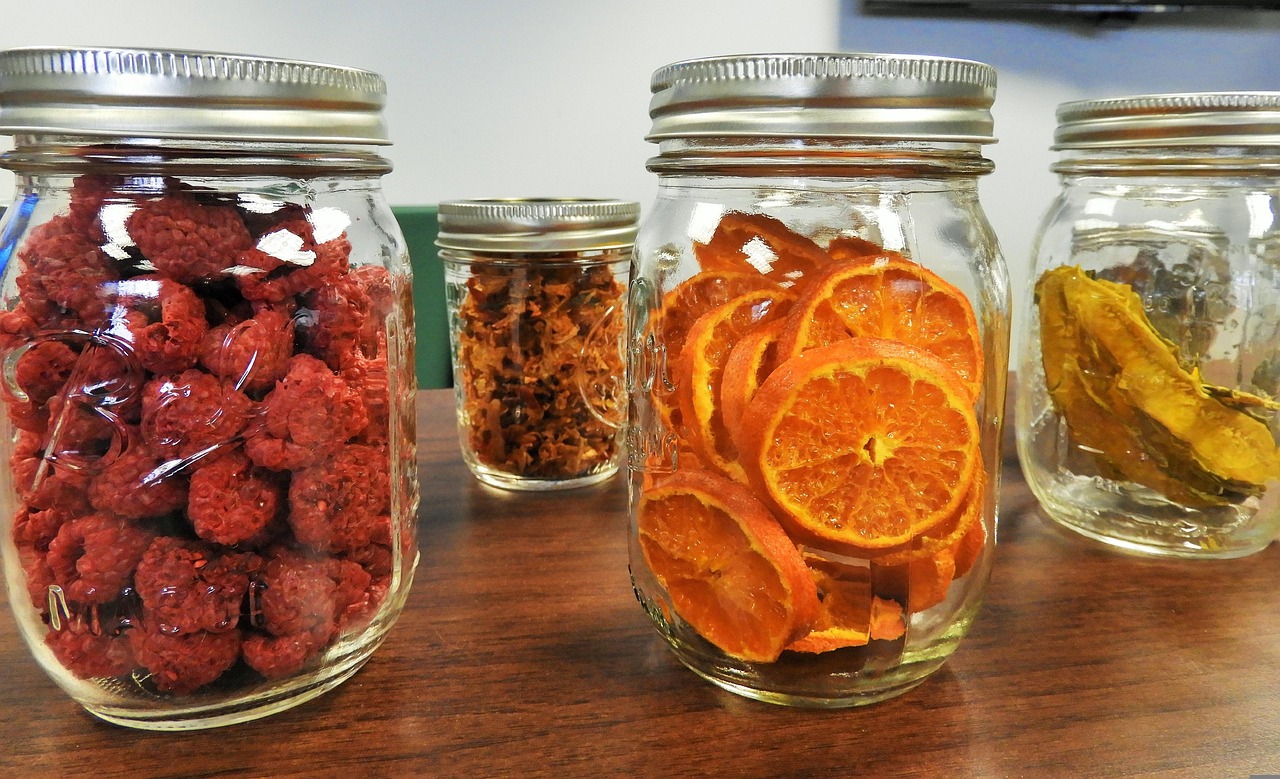
Invest in high-quality, airtight storage containers with secure lids. These containers serve multiple purposes: they prevent spills, keep foods fresh longer, and create physical barriers between allergen-containing and allergen-free foods.
Label each container clearly with the contents and preparation date. If an item contains a major allergen, make this prominently visible on the label. Use permanent markers or label makers to ensure the information doesn’t fade or rub off over time.
✅ Essential Cross-Contact Prevention Checklist
Implementing a systematic approach ensures nothing gets overlooked. Use this comprehensive checklist to maintain pantry safety consistently:
- Separate storage areas: Keep allergen-free foods physically separated from allergen-containing items
- Dedicated utensils: Use separate scoops, spoons, and measuring cups for allergen-free foods
- Regular cleaning schedule: Wipe down shelves weekly with appropriate cleaning solutions
- Clear labeling system: Mark all containers with contents and allergen information
- First-in, first-out rotation: Regularly check expiration dates and rotate stock
- Sealed packaging: Keep original packaging intact or transfer to airtight containers immediately
- Separate preparation zones: Designate specific counter areas for preparing allergen-free meals
- Hand washing protocol: Wash hands thoroughly before handling allergen-free foods
- Clean surfaces first: Always clean and sanitize surfaces before preparing allergen-free items
- Read labels carefully: Check ingredient lists every time, as formulations can change
- Communication system: Ensure all household members understand the protocols
- Regular inventory checks: Review pantry items monthly for potential issues
🔍 Reading Labels Like a Food Allergy Detective
Label reading is a non-negotiable skill for managing food allergies effectively. The Food Allergen Labeling and Consumer Protection Act (FALCPA) requires manufacturers to clearly identify the presence of the eight major food allergens, but vigilance remains essential.
What to Look For on Food Labels
Always check three key areas on food packaging: the ingredient list, the “Contains” statement, and any advisory warnings like “may contain” or “processed in a facility that also processes.” Even if you’ve purchased a product before, manufacturers sometimes change formulations without significant package redesign.
Be aware of hidden allergens that may appear under different names. For example, milk proteins might be listed as casein, whey, or lactose. Eggs might appear as albumin or lecithin. Familiarize yourself with the various names for allergens relevant to your household.
Understanding Advisory Statements
Statements like “may contain traces of” or “manufactured in a facility with” aren’t legally required, but many manufacturers include them voluntarily. The decision whether to avoid these products depends on individual sensitivity levels and should be made in consultation with an allergist.
For highly sensitive individuals, even advisory statements warrant caution. Create a personal database of trusted brands that have proven safe, and maintain a list of products to avoid.
🧼 Cleaning Protocols That Actually Work
Proper cleaning is your best defense against cross-contact. However, simply wiping down surfaces with a dry cloth won’t remove allergen proteins effectively.
The Right Cleaning Materials
Use soap or detergent with warm water for cleaning surfaces, utensils, and containers. Studies have shown that plain water or sanitizing wipes alone may not adequately remove food proteins. You need the combination of mechanical action (scrubbing) and detergent to break down and remove allergen residues.
Avoid sponges when possible, as they can harbor allergen particles in their porous structure. Instead, use disposable paper towels, washable microfiber cloths that can be laundered in hot water, or dedicated cleaning cloths for allergen-free areas.
Daily and Weekly Cleaning Routines
Implement a two-tiered cleaning approach. Daily, wipe down frequently touched surfaces, handles, and the immediate food preparation areas. Weekly, conduct a deeper clean of your pantry shelves, reorganizing items and checking for spills or damaged packaging.
Pay special attention to often-overlooked areas like the tops of containers, shelf edges, and the seals of storage bins where allergen particles can accumulate over time.
👨👩👧👦 Educating Your Household Members
Even the best organizational system will fail if not everyone in your home understands and follows the protocols. Education and communication are critical components of cross-contact prevention.
Creating a Family Action Plan
Hold a family meeting to discuss the importance of allergy safety. Explain cross-contact in age-appropriate terms, and make sure everyone understands the potential consequences of mistakes. Emphasize that this isn’t about blame but about keeping loved ones safe.
Create visual reminders in your kitchen and pantry. Simple signs like “Wash hands before touching allergen-free foods” or “Use only green containers for Alex’s snacks” can serve as helpful prompts for household members.
Guest and Caregiver Protocols
When visitors will be preparing food in your kitchen, brief them on your allergy protocols before they begin. Consider creating a simple one-page guide that outlines the essential rules: which areas are allergen-free, where to find safe foods, and proper handwashing procedures.
For regular caregivers, babysitters, or family members who frequently help with meal preparation, provide more comprehensive training. Walk them through your system and observe them preparing a meal to ensure they understand the procedures.
📱 Technology Tools for Allergy Management
Modern technology offers several solutions to help manage food allergies more effectively. Smartphone apps can assist with ingredient scanning, recipe management, and emergency information storage.
Barcode scanning apps allow you to quickly check whether packaged foods contain specific allergens. Simply scan the product barcode, and the app displays allergen information, saving time and reducing the risk of overlooking hidden ingredients in small print.
Digital inventory apps can help you track what’s in your pantry, including purchase dates and allergen information. Some apps send notifications when products are approaching expiration or when you’re running low on essential allergen-free items.
🛒 Smart Shopping Strategies for Allergen Management
Cross-contact prevention begins before items even enter your pantry. Strategic shopping habits set the foundation for a safe kitchen environment.
Choosing Safer Products
Look for products that carry allergy-friendly certifications. Organizations like the Gluten-Free Certification Organization (GFCO) or certified peanut-free facilities provide additional assurance beyond standard labeling requirements.
Consider purchasing items in smaller quantities more frequently. While bulk buying saves money, smaller packages reduce the time containers remain open in your pantry, decreasing the window for potential cross-contact.
Dedicated Allergen-Free Brands
Many companies now specialize in producing foods free from the top eight allergens in dedicated facilities. While often more expensive, these products eliminate concerns about manufacturing cross-contact. Build a repertoire of trusted brands that work for your household’s needs.
Join online communities focused on your specific allergies. Other families often share discoveries of new safe products, report formulation changes, and provide real-world feedback on various brands.
🍽️ Meal Preparation Best Practices
Your careful pantry organization means little if cross-contact occurs during meal preparation. Implement these practices to maintain safety from storage to table.
The Allergen-Free First Rule
Always prepare allergen-free portions first, before any allergen-containing ingredients are opened or used in the kitchen. This simple rule dramatically reduces cross-contact risk. Once the safe portion is prepared, sealed, and set aside, you can proceed with preparing meals that contain allergens.
Use completely separate cutting boards, knives, and cooking utensils for allergen-free food preparation. Designate these tools with colored tape or labels, and store them separately from general-use kitchen equipment.
Safe Cooking Surface Management
Before preparing allergen-free meals, thoroughly clean all cooking surfaces, including stovetops, cutting boards, and countertops. Allow surfaces to dry completely, as allergen proteins can transfer through moisture.
When cooking multiple dishes, use separate pots, pans, and baking sheets for allergen-free foods. Never use shared oil for frying or cooking different foods, as allergen proteins can transfer through cooking oil.
🎯 Special Considerations for Common Allergens
Different allergens present unique challenges for cross-contact prevention. Understanding these specific considerations helps you tailor your approach.
Peanuts and Tree Nuts
These allergens are particularly persistent and can become airborne when packages are opened. Store nut-containing products in sealed containers away from allergen-free zones. Consider designating one cabinet exclusively for nut products if family members consume them.
Be cautious with shared equipment like food processors or blenders, as nut proteins can be difficult to remove completely from small crevices and blades.
Milk and Dairy Products
Dairy products can leave residues that aren’t visible to the eye. Pay extra attention when cleaning surfaces where dairy items have been placed. Remember that butter, cheese, and yogurt can leave proteins on countertops, refrigerator shelves, and container exteriors.
Wheat and Gluten
Flour is notorious for spreading throughout kitchens and becoming airborne during use. If you must keep wheat flour in your pantry, store it in multiple sealed containers to prevent dust escape. Consider using wheat products in a different area from where you prepare gluten-free foods.
🚨 Emergency Preparedness in Your Allergy-Friendly Pantry
Despite your best prevention efforts, reactions can still occur. Your pantry area should include emergency preparedness elements.
Keep emergency medications like epinephrine auto-injectors in a designated, easily accessible location that all household members know about. Check expiration dates regularly and replace medications before they expire.
Post emergency contact numbers prominently, including your allergist’s office, local emergency services, and poison control. Include written action plans that describe symptoms to watch for and step-by-step response instructions.
Conduct periodic drills with family members to ensure everyone knows how to recognize allergic reactions and administer emergency medication properly. This practice reduces panic and response time if a real emergency occurs.
🔄 Maintaining Your System Long-Term
Creating an allergy-friendly pantry isn’t a one-time project—it requires ongoing maintenance and adjustment. Schedule regular reviews of your system to ensure it continues meeting your household’s needs.
Set a quarterly reminder to reassess your organization system. As family members grow, develop new sensitivities, or outgrow allergies, your pantry setup may need modifications. Stay flexible and willing to adjust your approach based on what works best in practice.
Keep a log of any close calls or system failures. Analyze what went wrong and implement changes to prevent similar incidents. This continuous improvement approach helps you refine your protocols over time.

💪 Building Confidence Through Consistent Practice
Managing food allergies can feel overwhelming initially, but consistent application of these strategies builds confidence and makes safety protocols second nature. Remember that every family’s situation is unique, and what works perfectly for one household might need adaptation for another.
Celebrate your successes and learn from mistakes without guilt. Creating a safe, allergy-friendly pantry is an ongoing journey that demonstrates care and commitment to your family’s health and wellbeing.
Start with the fundamentals—proper separation, clear labeling, and consistent cleaning—then gradually implement additional strategies as these basics become habitual. Over time, cross-contact prevention will become an integrated part of your daily routine rather than a constant source of stress.
Your pantry can be a place of abundance and safety rather than anxiety and restriction. With these practical strategies, thoughtful organization, and committed communication, you’ll create an environment where everyone in your household can enjoy food confidently, knowing that proper precautions protect their health every single day.