Living gluten-free doesn’t mean sacrificing organization or efficiency in your kitchen. With the right systems in place, you can create a cooking space that supports your dietary needs while making meal preparation seamless and enjoyable.

The journey to a well-organized gluten-free kitchen begins with understanding that cross-contamination prevention and workflow efficiency go hand in hand. Whether you’re newly diagnosed with celiac disease, managing gluten sensitivity, or choosing a gluten-free lifestyle for your family, establishing proper kitchen protocols will transform your daily cooking experience from stressful to streamlined.
🏠 Creating Your Gluten-Free Zone: Foundation Essentials
The cornerstone of any successful gluten-free kitchen is proper zoning and dedicated spaces. This isn’t about creating an entirely separate kitchen, but rather strategically organizing your existing space to minimize cross-contamination risks while maximizing efficiency.
Start by designating specific cabinet sections exclusively for gluten-free products. Label these areas clearly, and consider using colored tape or markers to create visual boundaries that everyone in your household can recognize instantly. Upper cabinets work particularly well for gluten-free items, as they’re less susceptible to contamination from crumbs or flour dust that may settle on lower surfaces.
Your countertop workspace deserves special attention. Establish a dedicated prep area that remains exclusively gluten-free. If space allows, position this zone away from where any gluten-containing products might be handled. Invest in a cutting board in a distinctive color that’s never used for gluten-containing foods – this simple visual cue prevents accidental mix-ups.
Essential Gluten-Free Kitchen Equipment
Certain kitchen tools should be exclusively reserved for gluten-free cooking to prevent microscopic gluten particles from contaminating your meals. Porous materials and items with crevices require particular attention, as they can harbor gluten even after thorough cleaning.
- Dedicated wooden spoons and cutting boards (wood is porous and can retain gluten)
- Separate toaster or toaster bags specifically for gluten-free bread
- Colanders and strainers marked for gluten-free use only
- Rolling pin reserved exclusively for gluten-free baking
- Silicone baking mats and parchment paper for contamination-free surfaces
- Color-coded utensils (choose a specific color for all gluten-free tools)
- Separate condiment containers to avoid cross-contamination from double-dipping
📋 The Complete Gluten-Free Pantry Organization Checklist
A well-organized pantry is the backbone of efficient gluten-free cooking. Beyond simply stocking gluten-free alternatives, the way you organize these items directly impacts your cooking workflow and helps prevent costly mistakes.
Begin with a complete pantry audit. Remove all items and check labels meticulously – gluten hides in surprising places like soy sauce, seasoning blends, and even some canned soups. Create three categories: confirmed gluten-free, contains gluten, and uncertain items requiring further research.
Strategic Pantry Placement System
Implement a top-to-bottom organization strategy where gluten-free items always occupy the upper shelves. This prevents gluten-containing crumbs or particles from falling onto your safe foods. Within your gluten-free sections, group items by category: baking supplies, pasta and grains, snacks, and cooking essentials.
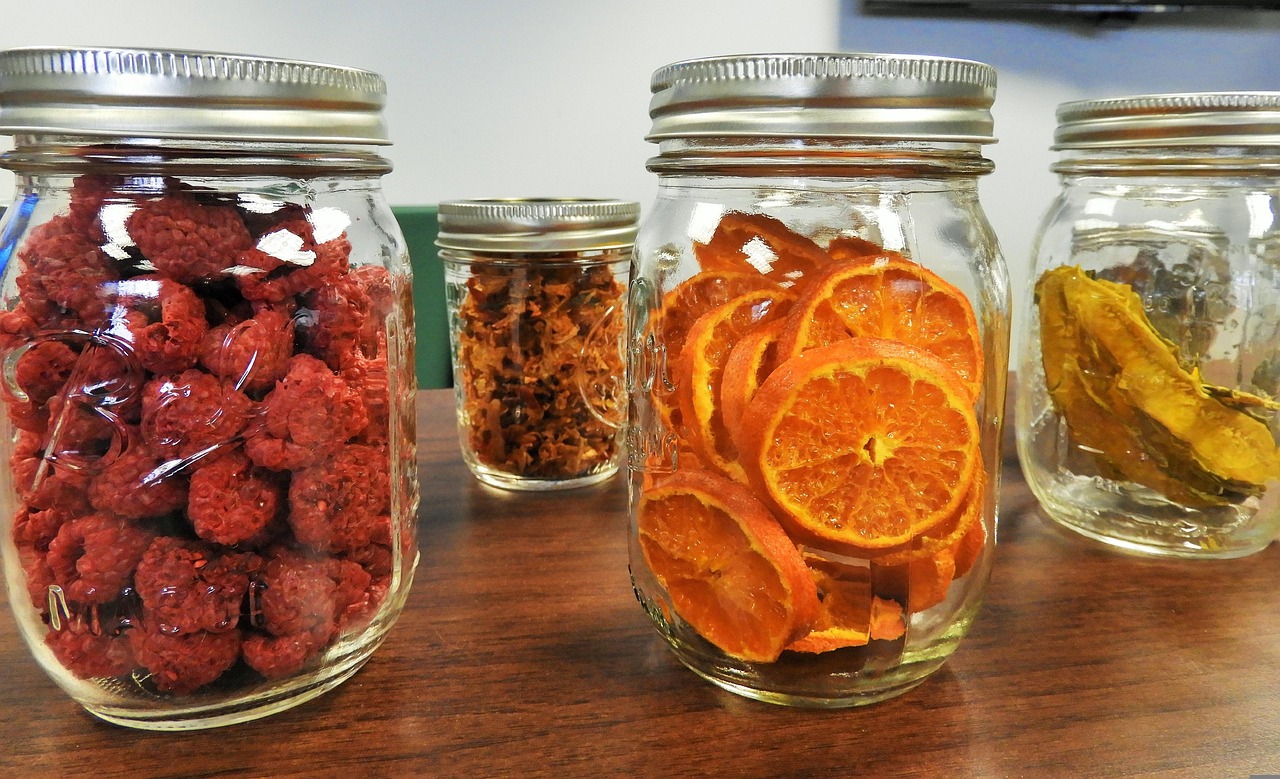
Invest in clear, airtight containers for your gluten-free flours, grains, and baking mixes. Label each container with both the contents and the purchase or opening date. This system serves multiple purposes: it keeps ingredients fresh, prevents pest issues, allows you to see inventory at a glance, and creates a uniform, organized appearance that makes finding items effortless.
| Pantry Zone | Recommended Items | Organization Tip |
|---|---|---|
| Baking Station | Gluten-free flours, xanthan gum, baking powder, starches | Use uniform containers with large, clear labels |
| Grains & Pasta | Rice, quinoa, gluten-free pasta, certified oats | Store in original packaging inside clear bins |
| Snacks & Quick Meals | Crackers, chips, protein bars, instant meals | Use basket systems for easy grab-and-go access |
| Condiments & Sauces | GF soy sauce, vinegars, oils, certified safe sauces | Lazy Susan for visibility and accessibility |
🧊 Refrigerator and Freezer Organization Strategies
Your refrigerator and freezer require the same meticulous attention to prevent cross-contamination while maintaining an efficient workflow. The key principle remains consistent: gluten-free items always go on upper shelves, while any gluten-containing products stay below.
Create designated zones within your refrigerator using clear bins or drawer dividers. Assign one crisper drawer exclusively to gluten-free items, or use labeled containers to separate foods clearly. This is particularly important for shared households where some family members may consume gluten.
Freezer Meal Prep Organization
The freezer is your secret weapon for effortless gluten-free cooking. Dedicate time to batch cooking gluten-free meals, then organize them systematically for easy retrieval. Use a combination of freezer-safe containers and vacuum-sealed bags to maximize space and maintain food quality.
Implement a simple labeling system that includes the dish name, preparation date, reheating instructions, and a “use by” date. Consider creating a freezer inventory list attached to the freezer door or maintained digitally, allowing you to plan meals based on what’s actually available without digging through frozen items.
✨ Daily Workflow Systems That Eliminate Kitchen Chaos
Even the most perfectly organized kitchen can descend into chaos without established daily workflows. Creating routines around meal preparation, cooking, and cleanup ensures your gluten-free kitchen remains functional and stress-free.
Start each cooking session with a clean workspace protocol. Before beginning any meal preparation, wipe down all surfaces with a clean cloth, even if they appear clean. This simple habit takes less than two minutes but significantly reduces cross-contamination risk.
The Mise en Place Approach for Gluten-Free Cooking
Adopt the professional chef’s technique of mise en place – everything in its place – before you begin cooking. This approach is particularly valuable in gluten-free kitchens where ingredient substitutions and specialized products require attention.
Before starting a recipe, gather all ingredients and verify each one is certified gluten-free. Measure and prepare ingredients in advance, placing them in small bowls or containers arranged in the order you’ll use them. This systematic approach prevents mid-recipe discoveries of missing ingredients and reduces the likelihood of accidentally grabbing a gluten-containing substitute.
🗓️ Meal Planning and Grocery Shopping Integration
Effective organization extends beyond your physical kitchen space into your planning processes. A structured meal planning system reduces decision fatigue, prevents duplicate purchases, and ensures you always have safe ingredients available.
Dedicate time each week to plan your meals based on your current inventory. Check your pantry, refrigerator, and freezer before creating your shopping list. This practice minimizes food waste and prevents the common scenario of buying gluten-free specialty items you already have at home.
Digital meal planning apps can streamline this process significantly. Look for applications that allow you to filter recipes by dietary restrictions, automatically generate shopping lists based on selected meals, and track your pantry inventory. These tools transform meal planning from a time-consuming chore into a quick, efficient process.
Smart Grocery Shopping Strategies
Organize your shopping list by store section to minimize backtracking and reduce shopping time. Most gluten-free shoppers develop a core list of staple items they purchase regularly – create a master template that you can quickly customize each week rather than building a list from scratch.
Familiarize yourself with the gluten-free sections of your regular stores and identify which specialty stores offer the best selection and prices for items you use frequently. Some shoppers find success by splitting their shopping between a conventional grocery store for basics and a specialty store or online retailer for harder-to-find gluten-free products.
🔍 Label Reading and Ingredient Verification Systems
Even in the most organized gluten-free kitchen, vigilant label reading remains essential. Manufacturers occasionally change formulations, and products that were once safe may no longer be gluten-free. Establishing a systematic approach to ingredient verification protects your health while maintaining kitchen efficiency.
Create a reference system for quickly verifying ingredient safety. This might include a smartphone app that lists gluten-containing ingredients, a printed chart posted inside a cabinet door, or a digital document you can access quickly. Over time, you’ll memorize common problematic ingredients, but having a reference prevents second-guessing and speeds up shopping and cooking.
Building Your Trusted Brands Database
Maintain a running list of brands and specific products you’ve verified as gluten-free. Organize this by category – breakfast items, snacks, condiments, baking supplies – so you can quickly identify safe options when shopping or meal planning. Update this list regularly as you discover new products or learn about formula changes in existing ones.
🧹 Cleaning Protocols That Prevent Cross-Contamination
Your organizational systems are only as effective as your cleaning protocols. Gluten proteins are sticky and can linger on surfaces, dishes, and utensils even after what appears to be thorough cleaning. Implementing specific cleaning routines ensures your carefully organized gluten-free zones remain truly safe.
Designate separate sponges or cleaning cloths for gluten-free areas – consider using a specific color that everyone in your household recognizes. Replace these cleaning tools regularly, as they can harbor gluten particles even after repeated washing.
For shared kitchens where gluten-containing foods are also prepared, establish a cleaning sequence: always clean gluten-free areas first, then move to general kitchen cleaning, finishing with any areas where gluten-containing products are handled. This prevents accidentally spreading gluten to your safe zones during cleanup.
Dishwasher and Hand-Washing Best Practices
Modern dishwashers typically do an excellent job removing gluten from non-porous surfaces like glass, metal, and most plastics. However, load your dishwasher strategically: place gluten-free items on the top rack and run the dishwasher on the highest temperature setting available.
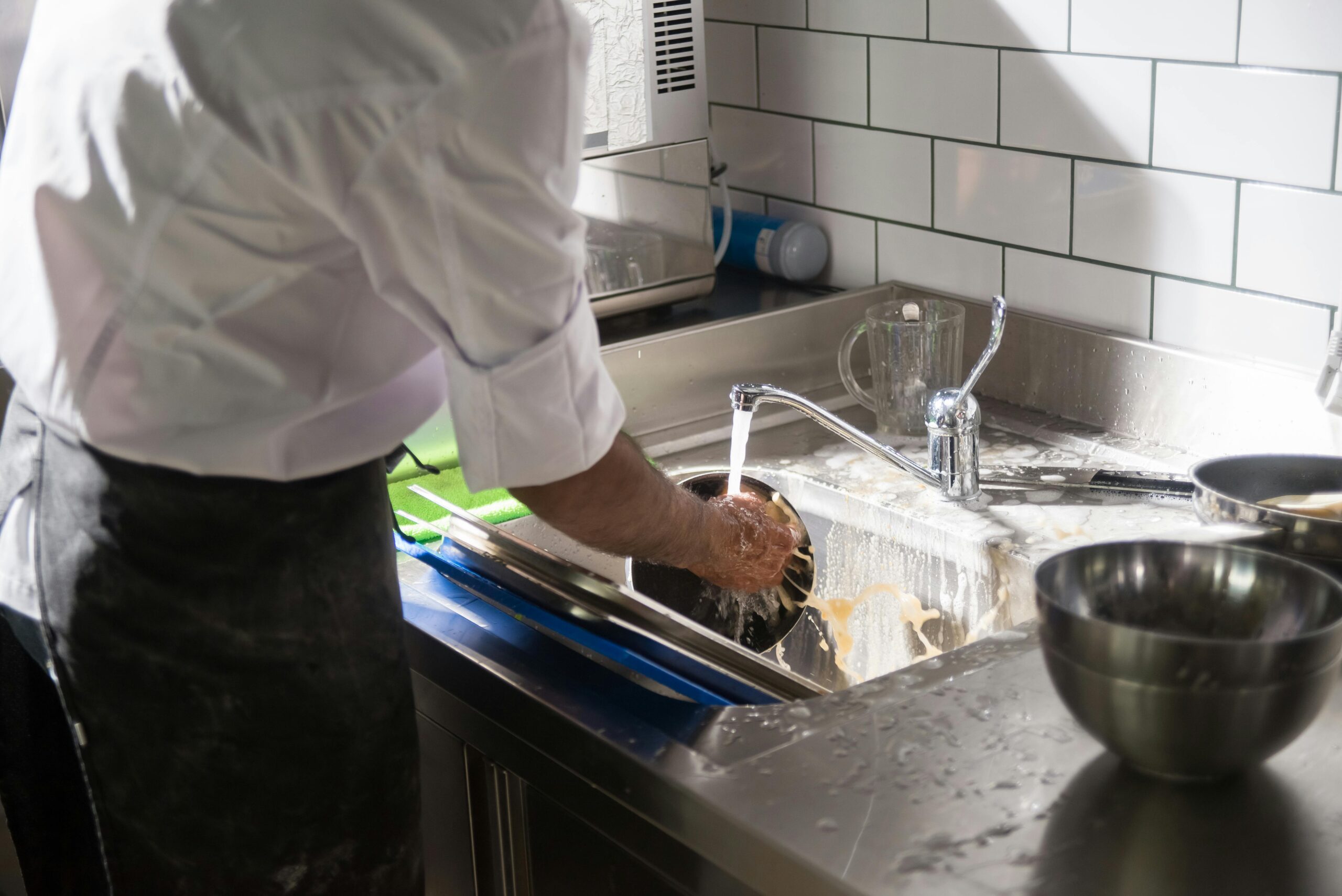
For hand-washing, always clean gluten-free items first with fresh, hot soapy water. Pay special attention to textured surfaces, handles with grooves, and any item with crevices where gluten particles might hide. Consider having a dedicated dish drying rack or section for gluten-free items if your household is mixed.
👨👩👧👦 Systems for Mixed Households
Managing a gluten-free kitchen becomes more complex when some household members consume gluten. However, with clear systems and communication, you can create a space that safely accommodates everyone’s needs without constant stress or vigilance.
Visual systems work best in mixed households. Use color-coding extensively: different colored cutting boards, utensils, storage containers, and even dish towels. Create a simple color key posted in the kitchen so everyone understands the system. For example, blue items might be gluten-free only, while red items can be used for gluten-containing foods.
Establish clear rules about shared spaces and cross-contamination risks. For instance, require that anyone handling gluten-containing bread wash their hands before touching shared items like refrigerator handles or cabinet knobs. Create a dedicated gluten-containing food prep area that’s separate from gluten-free zones.
📱 Technology Tools for Kitchen Management
Modern technology offers numerous solutions for maintaining organization in your gluten-free kitchen. From inventory management to recipe adaptation, the right digital tools can significantly reduce the mental load of managing dietary restrictions.
Inventory management apps help you track what’s in your pantry, refrigerator, and freezer. Some allow you to scan barcodes as you unpack groceries, automatically adding items to your digital inventory and removing them as you use them. This prevents overbuying specialty gluten-free products and helps you use items before they expire.
Recipe management applications designed for dietary restrictions can transform how you collect and organize gluten-free recipes. These platforms often include features for scaling recipes, converting measurements, creating automated shopping lists, and even suggesting substitutions for ingredients you don’t have on hand.
💡 Maintaining Your Organization Long-Term
Creating an organized gluten-free kitchen is an achievement, but maintaining that organization requires ongoing attention and periodic reassessment. Build maintenance into your routine rather than treating organization as a one-time project.
Schedule quarterly deep-organization sessions where you review your systems, purge expired items, and reassess whether your current setup still serves your needs. As you become more experienced with gluten-free cooking, your requirements will evolve, and your organization should adapt accordingly.
Keep a running list of organizational challenges you encounter. When you find yourself frustrated because you can’t find something, an area feels cluttered, or a particular workflow feels inefficient, note it immediately. Address these issues during your quarterly review rather than living with minor irritations that compound over time.
🎯 Creating Your Personalized Action Plan
Now that you understand the components of an organized gluten-free kitchen, create a personalized implementation plan. Trying to implement everything at once can feel overwhelming, so prioritize based on your specific needs and current pain points.
Start with safety-critical elements: establishing dedicated gluten-free zones, separating porous kitchen tools, and implementing clear labeling systems. These foundational elements prevent cross-contamination and should be your first priority. Once these are in place, gradually add efficiency-focused organizational systems like pantry optimization, meal planning integration, and digital tools.
Remember that perfection isn’t the goal – functionality is. Your gluten-free kitchen organization should reduce stress and simplify cooking, not create additional rules and restrictions that make kitchen use feel burdensome. Adjust recommended systems to fit your space, budget, and lifestyle rather than forcing yourself into a one-size-fits-all approach.
The ultimate measure of success is a kitchen where gluten-free cooking feels effortless rather than exhausting. When you can prepare meals confidently, find ingredients quickly, and maintain safety without constant vigilance, you’ve created a truly organized gluten-free kitchen. This transformation doesn’t happen overnight, but with consistent implementation of these systems, you’ll soon wonder how you ever managed without them.