Traveling gluten-free doesn’t mean sacrificing flavor or enjoyment. With proper planning and the right strategies, your hotel stay can be a delicious, stress-free experience.

Whether you’re managing celiac disease, gluten sensitivity, or simply choosing a gluten-free lifestyle, navigating hotel dining requires awareness and preparation. The good news is that the hospitality industry has made significant strides in accommodating dietary restrictions, and with the right approach, you can savor every meal during your getaway without compromising your health or happiness.
🏨 Before You Book: Research Makes Perfect
Your gluten-free hotel experience begins long before you pack your bags. Selecting the right accommodation sets the foundation for a successful trip. Not all hotels are created equal when it comes to dietary accommodations, so investing time in research pays dividends once you arrive.
Start by visiting hotel websites and looking for mentions of dietary accommodations in their restaurant descriptions. Many modern hotels proudly advertise their ability to cater to various dietary needs, including gluten-free options. Read recent guest reviews on platforms like TripAdvisor, specifically searching for mentions of gluten-free experiences from other travelers.
Contact the hotel directly before booking. Speak with the restaurant manager or chef about their gluten-free offerings. Ask specific questions about cross-contamination protocols, dedicated preparation areas, and staff training on gluten-free requirements. Hotels that take dietary restrictions seriously will respond with detailed, knowledgeable answers rather than vague reassurances.
Questions to Ask Before Booking
- Does the hotel restaurant have a separate gluten-free menu?
- Are staff members trained on cross-contamination prevention?
- Does the kitchen have dedicated gluten-free preparation areas?
- Are gluten-free options available at breakfast buffets?
- Can the hotel accommodate special meal requests with advance notice?
- Are there gluten-free restaurants within walking distance?
📱 Technology as Your Travel Companion
Modern technology has revolutionized how gluten-free travelers navigate dining options. Several smartphone applications can help you locate safe restaurants, translate dietary restrictions, and connect with other gluten-free travelers in your destination city.
Apps like Find Me Gluten Free offer crowdsourced reviews of restaurants with gluten-free options, including specific menu recommendations and safety ratings from fellow diners. This community-driven approach provides real-world insights that official restaurant descriptions might miss.
Translation apps become essential when traveling internationally. Being able to communicate your dietary restrictions clearly in the local language prevents misunderstandings and ensures kitchen staff understand the severity of your requirements.
🍳 Mastering the Hotel Breakfast Experience
Hotel breakfasts present unique challenges for gluten-free guests, particularly when buffet-style service is involved. Cross-contamination risks increase dramatically in self-service environments where utensils move between dishes and crumbs fly freely.
Upon arrival at the breakfast area, introduce yourself to the staff and explain your dietary needs. Request fresh items from the kitchen rather than taking from the buffet when possible. Many hotels will prepare eggs, bacon, fruit plates, and other naturally gluten-free items in a clean environment specifically for guests with restrictions.
Be cautious with seemingly safe options. Hash browns often contain flour as a binding agent. Scrambled eggs at buffets sometimes include pancake batter to make them fluffier. Processed meats may contain gluten-based fillers. When in doubt, ask—and if staff seem uncertain, choose whole foods you can verify as naturally gluten-free.
Safe Breakfast Bets at Hotels
- Fresh fruit and yogurt (verify yogurt hasn’t been thickened with gluten)
- Hard-boiled or freshly prepared eggs cooked to order
- Certified gluten-free oatmeal (bring your own packets if uncertain)
- Plain bacon and sausage (verify ingredients)
- Cheese and naturally gluten-free nuts
- Smoothies made with fresh ingredients
🍽️ Navigating Hotel Restaurant Dining
Hotel restaurants typically offer more controlled environments than buffets, making them safer options for gluten-free dining. The key is establishing clear communication with your server and, when possible, directly with the chef.
Make reservations in advance and mention your dietary restriction when booking. This gives the kitchen time to prepare and ensures staff awareness before you arrive. When seated, reiterate your needs to your server and ask if you can briefly speak with the chef or kitchen manager.
Many chefs appreciate the opportunity to demonstrate their skills in accommodating special diets and will often suggest menu modifications or create custom dishes. Building this rapport ensures your meal receives proper attention and reduces the risk of cross-contamination through rushed preparation.
Effective Communication Scripts
How you communicate your needs matters significantly. Rather than simply stating “I’m gluten-free,” provide context that helps staff understand the seriousness of your requirement. Try this approach: “I have celiac disease and require a completely gluten-free meal prepared in a clean area with clean utensils. Even small amounts of cross-contamination make me seriously ill.”
This explanation conveys urgency without being confrontational and helps staff understand this isn’t a preference but a medical necessity. Always thank staff for their attention to your needs—positive reinforcement encourages continued excellent service.
🥡 The Power of Portable Provisions
Even with the best hotel accommodations, bringing your own gluten-free supplies provides insurance against limited options and unexpected situations. Packing strategically ensures you’ll never find yourself hungry with no safe options available.
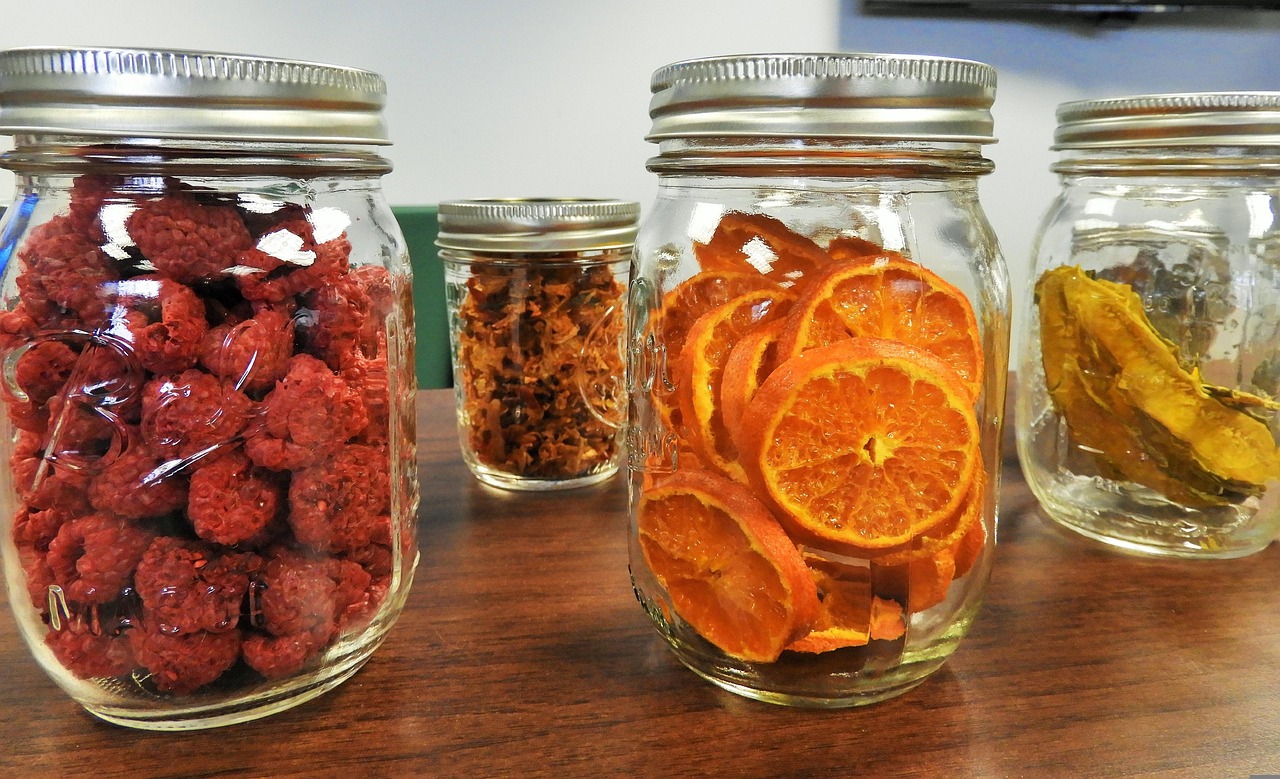
Invest in quality travel containers and pack non-perishable gluten-free items like protein bars, nut butter packets, rice crackers, dried fruit, and nuts. These items serve as emergency snacks, breakfast supplements when hotel options seem risky, and convenient energy sources during busy sightseeing days.
If your room includes a mini-fridge or you can request one, expand your options to include gluten-free bread, cheese, deli meat, hummus, and fresh vegetables. This transforms your room into a safe haven where you can always prepare a satisfying meal or snack regardless of what the hotel offers.
| Travel Pantry Essentials | Why Pack It |
|---|---|
| Certified gluten-free oatmeal packets | Safe breakfast backup option |
| Protein bars (verified gluten-free) | Quick energy and meal replacement |
| Nut butter single-serve packets | Protein source, pairs with fruit |
| Rice crackers or gluten-free pretzels | Satisfying crunch, versatile snack |
| Tea bags and instant coffee | Safe beverages you control |
| Dark chocolate | Treat yourself option |
🌍 International Considerations
Traveling internationally adds complexity to gluten-free dining, but many cultures naturally feature gluten-free cuisine. Understanding regional food patterns helps you identify safe options and navigate menus confidently.
Mediterranean countries offer abundant naturally gluten-free options including grilled meats, fish, vegetables, olive oil-based dishes, and rice. Asian cuisines feature rice as a staple, though soy sauce and cross-contamination require vigilance. Latin American countries offer corn-based dishes like tacos made with corn tortillas and rice-bean combinations.
Learn key phrases in the local language. “I cannot eat wheat, barley, rye, or oats” translated and written on a card prevents misunderstandings. Include “I will become very sick” to convey seriousness. Many celiac organizations offer free translation cards specifically designed for restaurant communication.
🤝 Building Relationships with Hotel Staff
Your relationship with hotel staff significantly impacts your gluten-free experience. Approach interactions with warmth, patience, and appreciation. Staff members who feel respected and valued become advocates for your needs throughout your stay.
Upon check-in, mention your dietary restrictions to the front desk and ask them to note it in your reservation. This creates a paper trail ensuring all departments are aware. If the hotel has a concierge, enlist their help in finding nearby gluten-free-friendly restaurants and grocery stores.
Tip generously when staff go above and beyond to accommodate your needs. Leave positive reviews specifically mentioning individuals who provided exceptional service. This recognition encourages hotels to continue prioritizing dietary accommodations and rewards employees who take your needs seriously.
🔍 Reading Between the Menu Lines
Understanding menu descriptions helps identify potentially safe dishes and avoid hidden gluten sources. Certain cooking methods and ingredients signal gluten presence, while others suggest naturally gluten-free preparation.
Watch for terms like “breaded,” “crusted,” “battered,” “marinated,” or “with sauce” which often indicate gluten. Words like “grilled,” “roasted,” “steamed,” or “sautéed” typically suggest simpler preparations more easily adapted to gluten-free requirements. However, always verify—marinades may contain soy sauce, and sautéed dishes might be prepared with flour-dusted cookware.
Request ingredient lists and preparation methods for anything uncertain. Professional kitchens maintain detailed ingredient information for allergen purposes, and reputable establishments readily provide this information when requested.
🎯 Handling Cross-Contamination Concerns
Cross-contamination represents the most significant risk for gluten-free diners, especially those with celiac disease. Understanding how contamination occurs empowers you to ask relevant questions and assess kitchen practices.
Shared fryers are major contamination sources—fries cooked in the same oil as breaded items are not safe. Shared toasters, cutting boards, colanders, and utensils also transfer gluten. Even airborne flour in bakery areas can contaminate nearby foods.
Ask if the kitchen has dedicated gluten-free preparation areas, separate utensils, and clean cookware for gluten-free meals. Inquire whether gluten-free pasta is cooked in separate water with a clean colander. These detailed questions demonstrate your knowledge and signal to staff that superficial efforts won’t suffice.
🌟 Embracing Room Service and In-Room Dining
Room service offers advantages for gluten-free travelers, providing a controlled environment where you can carefully examine your meal and eat comfortably without time pressure or social stress about dietary restrictions.
When ordering, speak directly with the kitchen rather than relying solely on the room service operator. Explain your needs and ask for recommendations. Request simple preparations using whole foods—grilled proteins with steamed vegetables and plain rice or potatoes typically present minimal cross-contamination risk.
Ask for meals to be covered during transport to prevent airborne contamination. Request individual condiment packets rather than containers that may have been used for multiple guests. These small precautions significantly reduce contamination risk.
💪 Advocating for Yourself Confidently
Successful gluten-free travel requires self-advocacy. You are the expert on your dietary needs, and communicating confidently ensures your requirements receive appropriate attention. This doesn’t mean being aggressive or demanding, but rather clear, persistent, and informed.
If a server seems uncertain or dismissive, politely ask to speak with a manager or chef. If responses remain vague or unsatisfactory, trust your instincts and choose another dining option. Your health is non-negotiable, and reputable establishments respect guests who prioritize their wellbeing.
Document exceptional service and concerning experiences. Share positive experiences through reviews, helping other gluten-free travelers identify safe hotels. Report problematic situations to management—constructive feedback helps hotels improve their services for future guests with dietary restrictions.
✨ Making Your Gluten-Free Journey Memorable
While gluten-free travel requires extra planning, it shouldn’t diminish your enjoyment. Frame dietary restrictions as an opportunity to discover new cuisines, connect with thoughtful hospitality professionals, and prove that health-conscious choices enhance rather than limit travel experiences.
Many travelers report that their gluten-free requirements led them to discover local markets, specialty shops, and family-owned restaurants they would have otherwise missed. These authentic experiences often become trip highlights, providing cultural immersion beyond typical tourist experiences.
Celebrate successful meals and hotels that exceed expectations. Share your positive experiences with the gluten-free community through social media, blogs, or review platforms. Your insights help build a supportive network where travelers exchange valuable information and encouragement.
Remember that occasional challenges are normal and don’t reflect personal failure. Even experienced gluten-free travelers encounter situations requiring flexibility and problem-solving. Maintaining perspective, staying prepared with emergency snacks, and focusing on the overall experience rather than isolated difficulties ensures your hotel getaway remains enjoyable and memorable for all the right reasons. With these smart strategies in place, you can confidently savor every stay, knowing that delicious, safe gluten-free dining is entirely possible wherever your travels take you. 🌈