Living gluten-free doesn’t mean sacrificing flavor or spending hours worrying about every meal. With the right strategies, you can enjoy delicious food confidently wherever life takes you.

Whether you’re newly diagnosed with celiac disease, managing gluten sensitivity, or simply choosing a gluten-free lifestyle for wellness reasons, navigating restaurants, travel, and social gatherings can feel overwhelming at first. The good news? Millions of people successfully maintain a gluten-free diet while enjoying diverse, satisfying meals without constant stress. This comprehensive guide will equip you with practical strategies, insider tips, and confidence-building techniques to master gluten-free dining in any situation.
Understanding Your Gluten-Free Foundation 🌾
Before diving into dining strategies, it’s essential to understand what gluten-free really means. Gluten is a protein found in wheat, barley, rye, and their derivatives. For people with celiac disease, even tiny amounts can trigger serious immune responses. For those with non-celiac gluten sensitivity, symptoms may be less severe but still uncomfortable.
Knowing your specific needs helps you communicate effectively with restaurant staff and make informed decisions. Are you strictly avoiding cross-contamination, or can you tolerate shared cooking surfaces? Understanding your threshold empowers you to advocate for yourself confidently without unnecessary anxiety.
Preparing for Success: Your Gluten-Free Dining Toolkit
Successful gluten-free dining starts long before you sit down at a table. Building your personal toolkit ensures you’re always prepared, whether you’re grabbing lunch near the office or traveling internationally.
Essential Items to Keep Handy
Smart gluten-free diners always carry a few key items. Small snacks like nuts, gluten-free protein bars, or rice crackers prevent emergency hunger situations where safe options might be limited. Restaurant cards in multiple languages explaining your dietary needs prove invaluable when traveling or visiting ethnic restaurants where language barriers exist.
Many people find smartphone apps incredibly helpful for identifying safe restaurants and products. Apps like Find Me Gluten Free connect you with verified gluten-free-friendly establishments reviewed by fellow diners. These digital resources transform uncertainty into confidence with just a few taps.
Research Before You Dine
Taking ten minutes to research before choosing a restaurant eliminates guesswork and reduces stress significantly. Check online menus for gluten-free options, read reviews from other gluten-free diners, and call ahead during non-busy hours to discuss your needs with staff or management.
Many chain restaurants now publish comprehensive allergen information online, making it easy to identify safe choices before arriving. Independent restaurants may not have this information readily available, but a friendly phone call often reveals whether they’re experienced with gluten-free requests.
Mastering Restaurant Communication 💬
Clear, confident communication with restaurant staff makes the difference between a stressful meal and an enjoyable dining experience. Most servers want to help but may need guidance on the seriousness of your dietary requirements.
The Perfect Opening Line
When ordering, be direct but friendly: “I have celiac disease and need to eat completely gluten-free, including avoiding cross-contamination. Can you help me identify safe options?” This approach conveys seriousness while inviting collaboration rather than putting staff on the defensive.
Avoid simply asking if something is “gluten-free” without context. Many servers don’t fully understand cross-contamination risks and might assure you something is safe when it’s prepared on shared surfaces. Explaining your specific needs helps them take appropriate precautions.
Questions That Protect Your Health
Don’t hesitate to ask detailed questions about food preparation. Inquire whether gluten-free pasta is cooked in separate water, if the grill is shared with bread products, and whether sauces and seasonings contain hidden gluten. These questions demonstrate your knowledge and ensure staff take your needs seriously.
Request to speak with the chef or kitchen manager when ordering complex dishes or at restaurants unfamiliar with gluten-free preparation. Kitchen staff often have deeper knowledge about ingredients and preparation methods than front-of-house servers.
Navigating Different Cuisine Types 🍽️
Every cuisine presents unique opportunities and challenges for gluten-free diners. Understanding the typical ingredients and preparation methods in various cooking styles helps you make safe, delicious choices.
Naturally Gluten-Free Friendly Cuisines
Mexican restaurants offer many naturally gluten-free options like corn tortillas, rice, beans, grilled meats, and fresh salsas. However, watch for flour tortillas, crispy taco shells that might be fried in shared oil, and sauces that could contain wheat-based thickeners.
Thai and Vietnamese cuisines rely heavily on rice and rice noodles, making them excellent choices. Be cautious with soy sauce (which typically contains wheat) and request tamari or coconut aminos as substitutes. Many curry pastes and sauces are naturally gluten-free, but always verify.
Indian cuisine features numerous gluten-free options including rice-based dishes, lentil preparations, and tandoori meats. Avoid naan bread and some wheat-based dumplings, but enjoy rice dishes, curry options, and legume-based sides safely.
Cuisines Requiring Extra Caution
Italian restaurants can be challenging since pasta is central to many dishes, but most now offer gluten-free pasta alternatives. Risotto, polenta, grilled proteins, and salads provide safe options. Be wary of breadcrumbs in meatballs and cross-contamination from pasta water.
Asian cuisines like Chinese and Japanese heavily use soy sauce containing wheat. Request gluten-free soy sauce or tamari, and avoid tempura, panko-breaded items, and dishes with unclear sauce ingredients. Sushi with simple fish and rice preparations offers safe choices.
American casual dining requires vigilance around fried foods (shared fryers), breaded items, and sauces. Many establishments now offer dedicated gluten-free menus, but always verify preparation methods to avoid cross-contamination.
Travel Strategies for Gluten-Free Success ✈️
Traveling while maintaining a gluten-free diet requires planning but shouldn’t limit your adventures. With preparation, you can explore new destinations confidently while protecting your health.
Airplane and Airport Navigation
Most airlines accommodate gluten-free meal requests when notified at least 48 hours before departure. Pack substantial gluten-free snacks in your carry-on since airplane meals sometimes go missing or don’t meet expectations. Airport terminals increasingly feature restaurants with gluten-free options, but allow extra time to locate suitable choices.
Research airport dining options before your trip using airport websites or gluten-free travel apps. Many airports now have dedicated areas listing allergen information for their restaurants, making safe choices easier to identify quickly.
International Travel Considerations
Learn key phrases in the local language to explain your dietary needs. Print restaurant cards explaining gluten-free requirements in the native language of your destination. These cards prove invaluable when language barriers make verbal communication difficult.
Research local cuisines before traveling to identify naturally gluten-free traditional dishes. Many cultures have rice, corn, or potato-based staples that provide safe, authentic eating experiences. Booking accommodations with kitchen access gives you control over some meals, reducing dining-out pressure.
Connect with local celiac or gluten-free communities through social media before traveling. Fellow gluten-free travelers often share restaurant recommendations, grocery store locations, and insider tips that guidebooks miss.
Social Situations and Special Events 🎉
Weddings, parties, business dinners, and family gatherings present unique challenges for gluten-free diners. Strategic planning helps you participate fully without compromising your health or feeling socially isolated.
Communicating with Hosts
When invited to someone’s home, inform your host about your dietary needs as soon as possible. Offer to bring a gluten-free dish that you can enjoy and others can share. This approach reduces host stress while ensuring you have safe food options.
Many hosts genuinely want to accommodate guests but feel intimidated by gluten-free cooking. Suggesting simple naturally gluten-free options like grilled proteins, roasted vegetables, or rice dishes makes accommodation easier and less stressful for everyone.
Navigating Buffets and Potlucks
Buffets pose cross-contamination risks from shared serving utensils. Arrive early before utensils get mixed between dishes, or politely request fresh servings from uncontaminated portions. Focus on simple, obviously gluten-free items like plain proteins, fruits, vegetables, and salads without croutons.
At potlucks, bring a substantial gluten-free main dish ensuring you have enough to eat even if other options aren’t safe. Label your dish clearly so others with dietary restrictions can identify safe choices, and consider bringing your own serving utensil to prevent cross-contamination.
Building Confidence Through Experience 💪
Mastering gluten-free dining is a journey that becomes easier with practice. Each successful restaurant experience, each trip navigated confidently, and each social situation handled gracefully builds your skills and confidence.
Learning from Mistakes
Everyone makes occasional mistakes when learning to navigate gluten-free dining. If you accidentally consume gluten or have an uncomfortable restaurant experience, treat it as a learning opportunity rather than a failure. Analyze what went wrong and how you might handle similar situations differently in the future.
Keep a personal journal or smartphone notes about restaurants, dishes, and strategies that work well for you. This personalized resource becomes increasingly valuable over time, helping you make quick, confident decisions in familiar and new situations.
Connecting with the Gluten-Free Community
Online communities, local support groups, and social media connections provide invaluable support, tips, and encouragement. Fellow gluten-free diners understand your challenges and often share restaurant recommendations, product discoveries, and coping strategies.
Many cities have gluten-free dining clubs or meetup groups that organize restaurant outings together. These gatherings provide opportunities to discover new safe restaurants while connecting with people who share your dietary needs.
Smart Strategies for Common Scenarios
Certain dining situations come up repeatedly in gluten-free life. Having go-to strategies for these common scenarios eliminates decision fatigue and reduces stress significantly.
Fast Food and Quick Service
Major fast-food chains increasingly offer gluten-free options, though cross-contamination risks remain high due to shared cooking surfaces. Chains like Chipotle allow you to watch food preparation and request fresh gloves and clean utensils. Bunless burgers at most burger chains provide quick, safe options when traveling.
Coffee shops often have gluten-free snacks and clearly labeled options. However, be cautious with flavored drinks that might contain gluten-containing additives. Stick with simple coffee, tea, or clearly labeled gluten-free options.
Business Lunches and Dinners
Professional settings require balancing dietary needs with social and business considerations. When possible, suggest restaurants where you’ve successfully dined before. If others choose the location, research the menu beforehand so you can order quickly and confidently without drawing excessive attention to your needs.
Keep the conversation light when explaining your dietary requirements in business settings. A brief, matter-of-fact statement like “I need to order gluten-free due to a medical condition” suffices without derailing business discussions with lengthy health explanations.
Creating Your Personal Success System 📋
Developing personalized routines and systems transforms gluten-free dining from a source of stress into a manageable aspect of life. Your system should reflect your lifestyle, preferences, and specific needs.
Maintain a list of trusted restaurants organized by location and cuisine type. Update this list regularly with new discoveries and remove establishments that don’t consistently meet your standards. This resource eliminates last-minute scrambling when hunger strikes or friends suggest spontaneous dining.
Create template messages for common situations: requesting allergen information from restaurants, explaining your needs to hosts, or confirming gluten-free preparation with servers. Having these templates ready saves time and ensures you communicate important details clearly every time.
Establish backup plans for situations when gluten-free options aren’t available. Knowing where the nearest grocery stores are located, keeping emergency snacks accessible, and having quick meal solutions at home prevents panic and poor decisions when plans change unexpectedly.
Embracing Food Freedom and Joy 🌟
Gluten-free dining doesn’t mean restriction and sacrifice—it means making informed choices that support your health while still enjoying delicious, satisfying food. With the strategies outlined in this guide, you can confidently navigate any dining situation that comes your way.
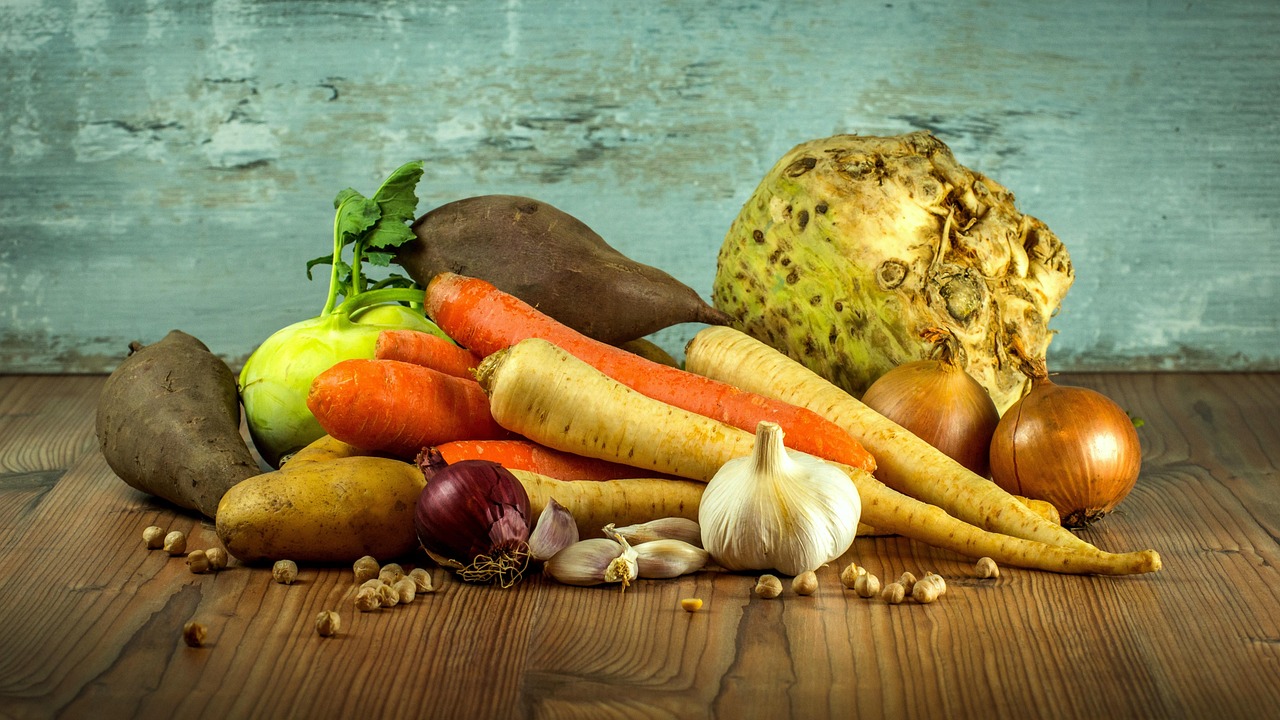
Remember that being gluten-free is just one aspect of your relationship with food. Focus on the incredible variety of naturally gluten-free foods available: fresh fruits and vegetables, high-quality proteins, diverse grains like rice and quinoa, and countless international cuisines with gluten-free traditions.
As you gain experience and confidence, dining out becomes second nature rather than a source of anxiety. You’ll develop intuition about which restaurants to trust, which questions to ask, and how to handle unexpected situations gracefully. The initial learning curve gives way to a sustainable lifestyle that supports both your health and your enjoyment of food.
Your gluten-free journey is uniquely yours. Be patient with yourself as you learn, celebrate your successes, and remember that each positive dining experience builds the foundation for a lifetime of stress-free, delicious meals—anywhere you go.