Living gluten-free doesn’t mean sacrificing delicious meals or social dining experiences. With the right knowledge and strategies, you can confidently navigate any menu and enjoy worry-free dining.

Whether you’re managing celiac disease, gluten sensitivity, or simply choosing a gluten-free lifestyle, dining out can feel overwhelming at first. The good news is that restaurants are increasingly accommodating gluten-free needs, and with this comprehensive guide, you’ll have all the tools to make informed choices wherever you go.
Understanding What Gluten Really Means for Your Dining Choices 🔍
Gluten is a protein found primarily in wheat, barley, and rye. It acts as a binding agent in many foods, giving bread its chewy texture and helping sauces thicken. For people with celiac disease or gluten sensitivity, consuming gluten triggers an immune response that damages the small intestine and causes uncomfortable symptoms.
When dining out, gluten can hide in unexpected places. Soy sauce, salad dressings, marinades, and even some French fries cooked in shared fryers can contain gluten. Understanding these hidden sources is your first step toward confident gluten-free dining.
Cross-contamination is another crucial consideration. Even if a dish contains no gluten ingredients, it can become contaminated through shared cooking surfaces, utensils, or preparation areas. This is why communication with restaurant staff is essential.
Mastering the Art of Pre-Dining Research
Before stepping foot in a restaurant, smart preparation can save you stress and ensure a positive experience. Start by researching restaurant menus online. Most establishments now post their menus on their websites or social media platforms, allowing you to preview options ahead of time.
Look for restaurants that specifically advertise gluten-free options or have dedicated gluten-free menus. These establishments typically train their staff on gluten-free protocols and understand cross-contamination risks. Many chain restaurants now offer comprehensive allergen information online, making it easy to identify safe choices.
Reading recent reviews from other gluten-free diners can provide valuable insights. Platforms like Yelp, Google Reviews, and specialized gluten-free dining apps often feature comments about how well restaurants accommodate dietary restrictions. Pay attention to mentions of knowledgeable staff, separate preparation areas, and the variety of gluten-free options available.
Calling ahead during non-peak hours is another excellent strategy. Speaking with a manager or chef directly allows you to ask specific questions about ingredients, preparation methods, and their ability to accommodate gluten-free requests. This conversation also alerts the restaurant to expect a gluten-free diner, giving them time to prepare.
Decoding Menu Language Like a Pro 📋
Restaurant menus contain clues that can help you identify safe options and potential gluten sources. Learning to read between the lines makes ordering much easier.
Words like “breaded,” “battered,” “crusted,” “crispy,” or “fried” typically indicate gluten-containing preparations. Similarly, dishes described as “creamy,” “au gratin,” or “with gravy” often contain flour-based thickeners. Pasta, noodles, couscous, and anything mentioning breadcrumbs are obvious red flags.
On the positive side, look for menu items described as “grilled,” “roasted,” “steamed,” “baked,” or “sautéed” without sauces. These cooking methods are generally safer, though you should always confirm no flour or gluten-containing ingredients are used in preparation.
Many restaurants now mark gluten-free items with special symbols like (GF) or 🌾. However, don’t rely solely on these markers. Always verify with your server and ask about preparation methods to ensure the dish meets your needs.
Common Menu Items to Approach with Caution
- Soups and broths that may contain flour thickeners or barley
- Salad dressings, especially creamy varieties and vinaigrettes with malt vinegar
- Marinades and sauces, which often contain soy sauce or wheat-based ingredients
- Processed meats like sausages, hot dogs, and deli meats that may contain fillers
- French fries cooked in shared fryers with breaded items
- Oats, unless specifically labeled gluten-free due to cross-contamination during processing
- Imitation seafood, often made with wheat-based binders
- Seasonings and spice blends that may contain anti-caking agents
Communicating Effectively with Restaurant Staff 💬
Your server is your ally in ensuring a safe meal. Approach the conversation with confidence and clarity, but also with politeness and understanding. Restaurant staff deal with numerous requests daily, and a friendly attitude goes a long way.
Be specific about your needs from the start. Instead of simply saying “gluten-free,” explain that you have celiac disease or serious gluten sensitivity if applicable. This helps staff understand the severity and the importance of avoiding cross-contamination.
Ask questions without hesitation. Inquire about specific ingredients, how dishes are prepared, and whether separate cooking surfaces and utensils are used. Request to speak with a manager or chef if your server seems uncertain about answers. Knowledgeable restaurants welcome these questions and appreciate diners who take their dietary needs seriously.
When ordering, be clear about necessary modifications. For example, “I’d like the grilled chicken with vegetables, but please ensure no soy sauce or flour is used, and that it’s prepared on a clean surface away from gluten-containing foods.”
Don’t be afraid to send food back if something seems wrong. If your meal arrives with croutons on the salad or breaded instead of grilled, politely explain the issue and request a fresh plate prepared correctly. Your health is more important than avoiding minor awkwardness.
Navigating Different Cuisine Types Successfully 🌍
Different cuisines present unique challenges and opportunities for gluten-free dining. Understanding the typical ingredients and preparations in various food cultures helps you make better choices.
Italian Restaurants
Italian cuisine traditionally relies heavily on pasta and bread, but many restaurants now offer gluten-free pasta options. Risotto is naturally gluten-free when prepared properly without added flour. Polenta, grilled meats, and fish dishes are generally safe choices. Be cautious with sauces and always verify they don’t contain flour as a thickener.
Asian Cuisine
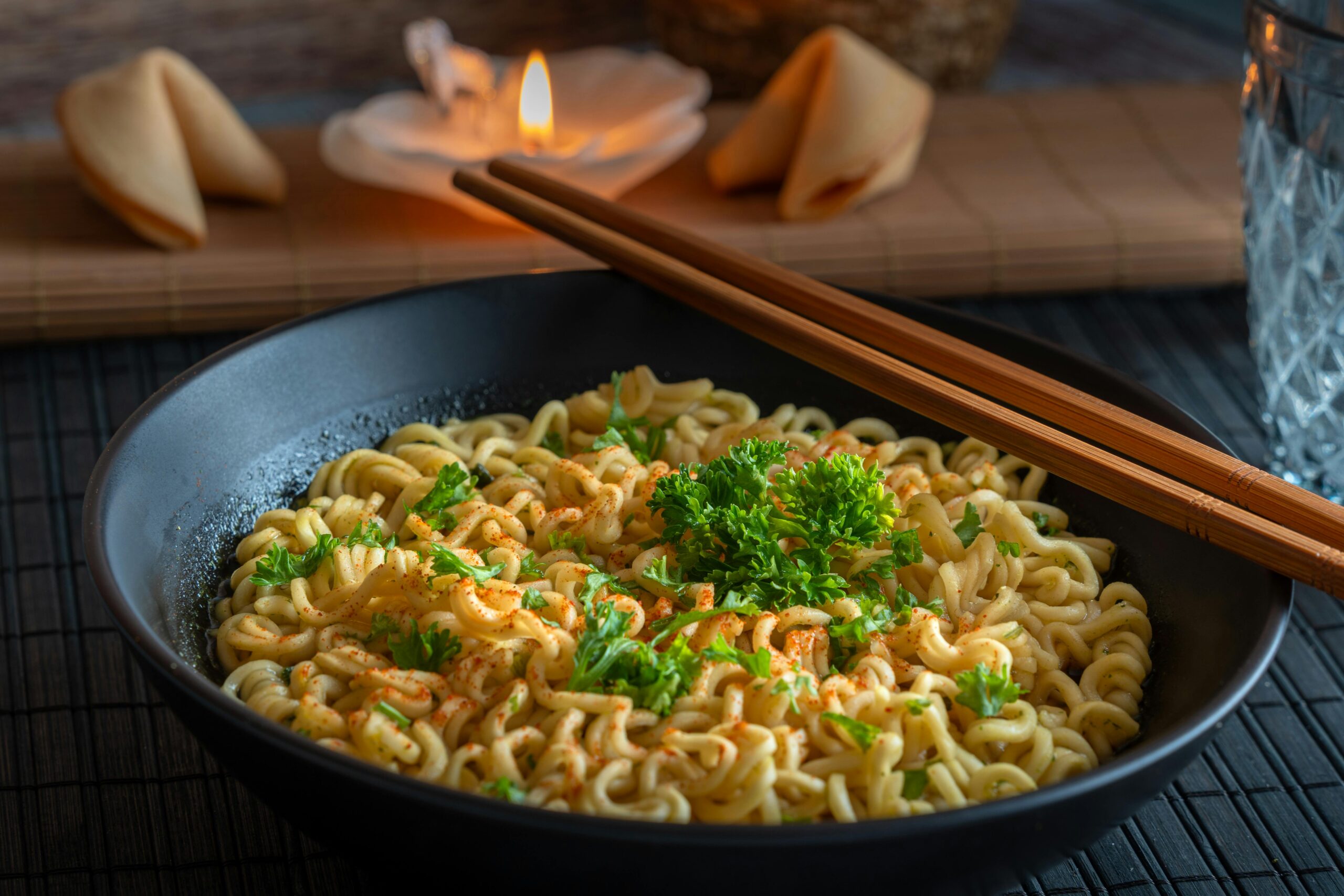
Asian restaurants can be tricky due to soy sauce, which contains wheat. However, many establishments now stock gluten-free tamari as an alternative. Rice and rice noodles are safe options, but watch for wheat-based noodles in dishes like ramen and udon. Thai and Vietnamese cuisines often offer excellent gluten-free options like rice paper rolls, pho (with rice noodles), and curry dishes made with coconut milk.
Mexican Restaurants
Mexican cuisine offers many naturally gluten-free options. Corn tortillas, beans, rice, and most salsas are safe. However, flour tortillas contain gluten, and some restaurants use wheat flour in their corn tortilla mix, so always verify. Be cautious with seasoned meats that might contain gluten in their marinade, and ask about cross-contamination if chips are fried in shared oil.
American Casual Dining
Burgers without buns served on lettuce wraps, grilled chicken or steak with vegetable sides, and salads with oil and vinegar dressing are typically safe bets. Many chain restaurants now offer gluten-free buns and dedicated fryers for French fries. Always check if fries are cooked separately from breaded items.
Smart Ordering Strategies for Worry-Free Meals ✨
Developing a consistent approach to ordering makes gluten-free dining feel natural and stress-free. Start by scanning the menu for naturally gluten-free items like grilled proteins, vegetables, and rice-based dishes. These require fewer modifications and carry less risk of error.
Simplicity is your friend. The more components and complex preparations a dish involves, the greater the chance of hidden gluten or cross-contamination. A grilled salmon with steamed vegetables is much safer than a complicated dish with multiple sauces and preparations.
Don’t hesitate to customize orders. Most restaurants are happy to accommodate reasonable modifications. Ask for vegetables instead of pasta, request sauce on the side so you can verify its safety, or order items à la carte to build your own safe plate.
Building relationships with restaurants you trust makes repeat visits easier. Once you find establishments that handle your dietary needs well, becoming a regular means staff will remember you and your requirements. Consider keeping a list of your “safe” restaurants for different occasions.
Handling Social Dining Situations with Confidence
Eating out with friends, family, or colleagues adds a social dimension to gluten-free dining. Don’t let dietary restrictions make you feel like a burden or outsider. Most people are understanding and supportive when you explain your needs.
When dining with groups, offer to suggest restaurants where you know you’ll have options. This prevents the awkwardness of arriving somewhere with nothing you can safely eat. Most people appreciate someone taking initiative in choosing a venue.
At business dinners or formal events where you don’t control the venue, contact the restaurant ahead of time to discuss options. Event coordinators and restaurants hosting private parties are typically accommodating when given advance notice.
For potlucks or group meals where food sources are unclear, consider eating beforehand or bringing your own dish to share. This ensures you have something safe to eat while still participating socially. Most hosts appreciate guests who bring contributions to the meal.
Technology Tools to Enhance Your Gluten-Free Dining Experience 📱
Several smartphone applications can make gluten-free dining easier by providing restaurant recommendations, menu information, and community reviews. These digital tools serve as valuable companions when exploring new dining options.
The Find Me Gluten Free app is one of the most popular resources for discovering gluten-free friendly restaurants. It features user reviews, photos, and ratings specifically from the gluten-free community, helping you find safe dining options wherever you travel.
Other helpful apps include those that scan barcodes to identify gluten in packaged products, though these are more useful for grocery shopping than restaurant dining. Some chain restaurants also have their own apps with detailed allergen information and the ability to customize orders.
Digital resources complement but don’t replace direct communication with restaurant staff. Use apps for research and guidance, but always verify information with the establishment before ordering.
Recognizing and Advocating for Quality Gluten-Free Practices
Not all gluten-free restaurant experiences are created equal. Learning to recognize establishments that truly understand gluten-free needs helps you become a more informed diner and advocate for better practices.
High-quality gluten-free restaurants demonstrate several characteristics. They have dedicated gluten-free menus or clearly marked options. Staff members are knowledgeable about ingredients and cross-contamination prevention. The kitchen uses separate preparation areas, utensils, and cooking surfaces for gluten-free items. They stock gluten-free alternatives like pasta, bread, and soy sauce.
When you encounter excellent gluten-free service, provide positive feedback through reviews, social media mentions, and direct communication with management. This reinforces good practices and helps other gluten-free diners find safe options. Conversely, if you have a negative experience, provide constructive feedback that can help the restaurant improve.
Your purchasing power matters. Consistently supporting restaurants that accommodate gluten-free needs encourages more establishments to improve their offerings. The growing demand for gluten-free options has already transformed the dining landscape, and continued advocacy will drive further improvements.
Building Your Personal Gluten-Free Dining Toolkit 🛠️
Experienced gluten-free diners often carry a few essentials that make eating out easier and safer. Consider assembling your own portable toolkit for dining situations.
Gluten-free soy sauce packets or a small bottle of tamari can transform Asian restaurant meals. These take up minimal space in a bag and ensure you always have a safe option for seasoning. Similarly, individual packets of gluten-free salad dressing provide peace of mind when restaurant options are questionable.
Restaurant cards printed in multiple languages explaining your dietary needs can be invaluable, especially when traveling internationally or visiting ethnic restaurants where language barriers exist. These cards clearly state what you cannot eat and request separate preparation to avoid cross-contamination.
Keep a list of safe chain restaurants and their gluten-free offerings on your phone. This quick reference helps when you’re traveling, in unfamiliar areas, or need to make last-minute dining decisions. Include notes about specific menu items you’ve successfully ordered.
Embracing the Journey with Optimism and Flexibility
Adapting to gluten-free dining takes time and practice. You’ll encounter challenges, make mistakes, and occasionally have frustrating experiences. This is completely normal and part of the learning process. Each dining experience teaches you something new and builds your confidence.
Celebrate your successes, whether it’s discovering a fantastic new restaurant, successfully navigating a challenging menu, or confidently advocating for your needs. These positive experiences accumulate and transform gluten-free dining from a source of anxiety into something manageable and even enjoyable.
Flexibility serves you well in this journey. While vigilance about gluten is necessary, try not to let dietary restrictions dominate every social situation or create excessive stress. Focus on the aspects of dining you can control and accept that occasional imperfect situations will arise.
Remember that gluten-free dining options continue to improve and expand. What seemed impossible a few years ago is now commonplace, and the trend toward greater accommodation shows no signs of slowing. Your participation in this dining revolution, through your choices and advocacy, contributes to positive change for everyone navigating gluten-free living.
With the strategies, knowledge, and confidence gained from this guide, you’re well-equipped to enjoy diverse, delicious, and worry-free gluten-free meals in any restaurant. The world of dining is open to you—navigate it with assurance, enjoy every safe and satisfying meal, and never let gluten concerns hold you back from wonderful culinary experiences and meaningful social connections around food.