Italian cuisine has long captivated food lovers worldwide with its rich flavors, aromatic herbs, and time-honored traditions. Now, everyone can enjoy authentic Italian dishes without gluten!

The journey to discovering gluten-free Italian cooking opens up a world where tradition meets modern dietary needs. Whether you’re managing celiac disease, gluten sensitivity, or simply choosing a healthier lifestyle, the essence of Italian gastronomy remains beautifully intact. From the rolling hills of Tuscany to the coastal regions of Sicily, Italian recipes have been adapted to welcome those who need gluten-free options, proving that dietary restrictions don’t mean sacrificing taste or authenticity.
🍝 The Italian Kitchen Goes Gluten-Free: A Culinary Revolution
The transformation of traditional Italian recipes into gluten-free masterpieces represents more than just ingredient substitution. It’s about understanding the soul of Italian cooking and preserving it while making it accessible to everyone. Italian chefs and home cooks alike have embraced this challenge, creating innovative approaches that honor centuries-old recipes while accommodating modern health requirements.
Gluten-free Italian cooking maintains the fundamental principles that make Italian cuisine so beloved: fresh ingredients, simple preparations, and layers of complementary flavors. The key lies in selecting the right alternatives and understanding how different flours and ingredients behave in traditional recipes.
Understanding Italian Gluten-Free Staples
Rice flour, almond flour, chickpea flour, and cornmeal have become the foundation of gluten-free Italian cooking. These alternatives not only replace wheat flour but often enhance dishes with unique textures and subtle flavor notes. Polenta, a traditional Northern Italian staple made from cornmeal, has always been naturally gluten-free, proving that Italian cuisine has long offered options for various dietary needs.
Italian markets now stock an impressive array of gluten-free pasta made from rice, corn, quinoa, and legumes. These alternatives cook beautifully and hold sauces just as well as traditional wheat pasta, ensuring that classic dishes like carbonara, amatriciana, and puttanesca remain accessible to everyone.
🍕 Classic Italian Dishes Reimagined Without Gluten
The beauty of Italian cuisine lies in its versatility and adaptability. Many beloved Italian dishes are naturally gluten-free or can be easily modified without compromising their authentic character. Let’s explore how traditional favorites transform into gluten-free delights.
Perfect Gluten-Free Pizza: The Heart of Italian Cuisine
Pizza, perhaps Italy’s most iconic export, adapts wonderfully to gluten-free preparation. The secret to outstanding gluten-free pizza crust lies in combining different flours to achieve the perfect texture. A blend of rice flour, tapioca starch, and potato starch creates a crust that’s crispy outside and tender inside.
Adding xanthan gum or psyllium husk provides the elasticity traditionally achieved by gluten, allowing the dough to stretch and rise beautifully. Pre-baking the crust slightly before adding toppings ensures it stays crispy even under generous layers of fresh mozzarella, San Marzano tomatoes, and fragrant basil.
Risotto: Italy’s Naturally Gluten-Free Treasure
Risotto stands as proof that some of Italy’s finest dishes have always been gluten-free. This creamy rice dish from Northern Italy requires only arborio rice, good stock, wine, butter, and Parmigiano-Reggiano. The slow stirring process releases the rice’s natural starches, creating that signature velvety texture without any gluten involvement.
Variations like risotto alla milanese with saffron, risotto ai funghi with wild mushrooms, or risotto al nero di seppia with squid ink showcase the versatility of this naturally gluten-free masterpiece.
🥖 Mastering Gluten-Free Italian Baking
Italian baking presents unique challenges when removing gluten, but with proper techniques and ingredient combinations, you can create breads, focaccia, and pastries that rival their traditional counterparts. The key is understanding how different gluten-free flours interact and complement each other.
Focaccia That Melts in Your Mouth
Gluten-free focaccia requires a strategic blend of flours and careful hydration. Combining rice flour with sorghum flour and potato starch creates the ideal base. Adding olive oil generously ensures the characteristic tenderness, while fresh rosemary, coarse sea salt, and more olive oil on top provide authentic flavor.
The dough benefits from a longer resting period, allowing the flours to fully hydrate and the flavors to develop. Dimpling the dough before baking creates those beloved pockets that collect olive oil and herbs, making each bite a perfect balance of crispy edges and soft center.
Italian Cookies and Desserts Without Compromise
Italian cookies like amaretti are naturally gluten-free, made primarily from almond flour, sugar, and egg whites. These chewy delights prove that traditional Italian sweets have always accommodated various ingredients. Panna cotta, tiramisu (with gluten-free ladyfingers), and zabaglione also adapt seamlessly to gluten-free requirements.
🍷 Regional Italian Specialties Made Gluten-Free
Italy’s twenty regions each boast distinctive culinary traditions, many of which translate beautifully to gluten-free cooking. Understanding regional ingredients and techniques opens endless possibilities for authentic gluten-free Italian meals.
Sicilian Gluten-Free Delights
Sicily’s cuisine relies heavily on seafood, vegetables, citrus, and almonds—all naturally gluten-free ingredients. Caponata, a sweet and sour eggplant dish, requires no modification. Pasta con le sarde becomes gluten-free simply by using rice-based pasta, while maintaining the traditional combination of sardines, wild fennel, pine nuts, and saffron.
Sicilian arancini can be made gluten-free by preparing a rice coating instead of breadcrumbs. The filling of ragù, peas, and mozzarella remains unchanged, delivering the same comforting flavors that have defined this street food favorite for generations.
Tuscan Simplicity, Gluten-Free Style
Tuscan cuisine celebrates simple, high-quality ingredients—a philosophy that aligns perfectly with gluten-free cooking. Ribollita, the hearty vegetable and bean soup, needs only gluten-free bread to become completely accessible. Bistecca alla fiorentina, grilled T-bone steak with lemon and olive oil, has always been naturally gluten-free.
White beans cooked with sage, garlic, and olive oil showcase how Tuscan flavors need no gluten to shine. These dishes prove that sometimes the most traditional preparations are already the healthiest and most inclusive.
🧀 Ingredient Spotlight: Building Your Gluten-Free Italian Pantry
Success in gluten-free Italian cooking starts with stocking your pantry with quality ingredients. Understanding what to keep on hand makes meal preparation easier and ensures authentic flavors in every dish.
Essential Gluten-Free Flours and Starches
- Rice flour: Provides a neutral base for most recipes, available in white and brown varieties
- Almond flour: Adds richness and moisture to baked goods and works beautifully in cookies
- Chickpea flour: Perfect for making farinata, a traditional Ligurian flatbread
- Tapioca starch: Creates chewiness and helps bind ingredients together
- Potato starch: Lightens textures and adds tenderness to baked goods
- Cornmeal: Essential for polenta and adds texture to breads and pizza crusts
Quality Ingredients Make the Difference
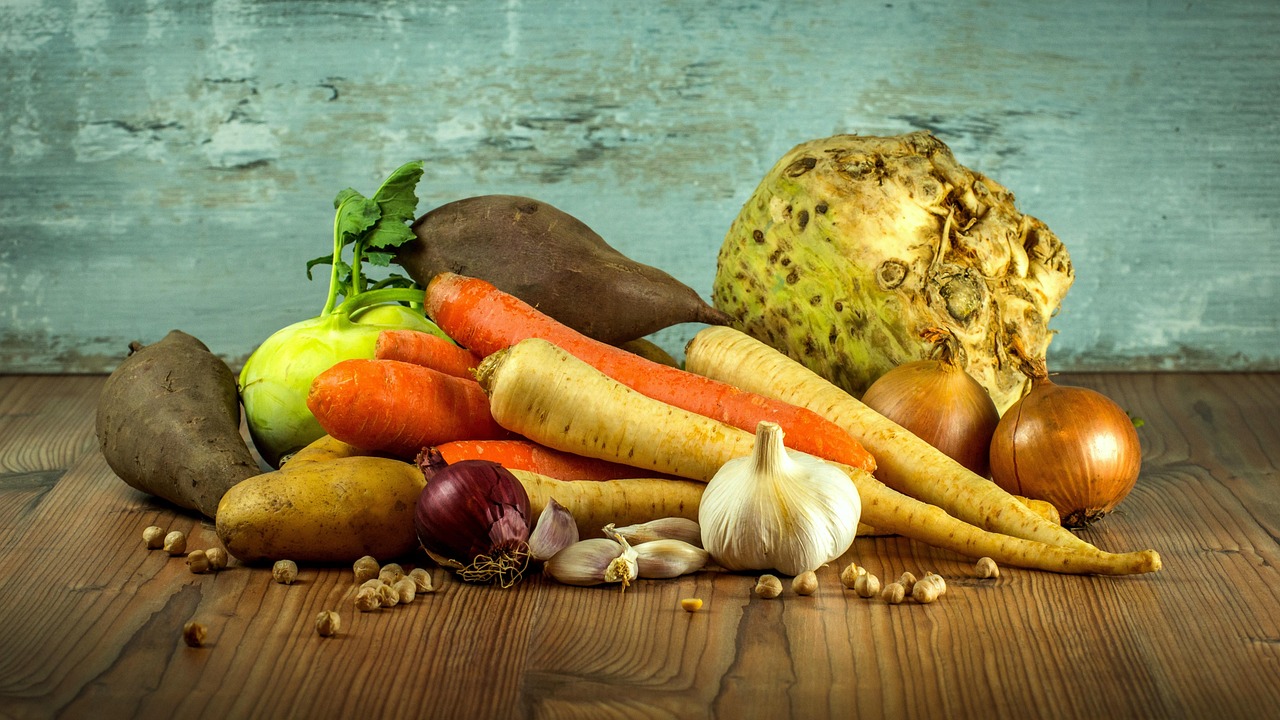
Italian cooking depends on ingredient quality rather than complex techniques. Extra virgin olive oil, San Marzano tomatoes, authentic Parmigiano-Reggiano, fresh mozzarella, and quality balsamic vinegar form the foundation of countless dishes. These ingredients contain no gluten naturally and deliver the authentic flavors that define Italian cuisine.
Fresh herbs like basil, oregano, rosemary, and parsley add aromatic dimensions without any dietary concerns. Garlic, onions, capers, olives, and anchovies provide depth and complexity that make Italian food so memorable and satisfying.
👨🍳 Techniques for Perfect Gluten-Free Italian Cooking
Mastering gluten-free Italian cooking involves understanding how gluten-free ingredients behave differently from their wheat-based counterparts. These techniques ensure consistent, delicious results every time you cook.
Working with Gluten-Free Pasta
Gluten-free pasta requires slightly different cooking techniques than traditional pasta. Using abundant salted water and stirring frequently prevents sticking. Most gluten-free pasta cooks faster than wheat pasta, so testing a minute or two before the package directions is wise. Adding a tablespoon of olive oil to the cooking water can help prevent clumping.
Reserve extra pasta cooking water when making sauces. The starchy water helps bind sauce to gluten-free pasta, which sometimes doesn’t hold sauce as readily as wheat pasta. Tossing the cooked pasta with sauce in the pan for a minute allows flavors to meld perfectly.
Achieving the Perfect Texture in Baked Goods
Gluten-free baking benefits from a few strategic techniques. Letting batters rest for 15-30 minutes before baking allows flours to hydrate fully, improving texture significantly. Using room temperature ingredients ensures even mixing and better rise.
Adding extra moisture through ingredients like olive oil, ricotta cheese, or yogurt compensates for the dryness that sometimes affects gluten-free baked goods. A combination of multiple flours typically produces better results than relying on a single flour, as different flours provide different textural qualities.
🌿 Fresh and Light: Gluten-Free Italian Salads and Antipasti
Italian antipasti and salads offer abundant naturally gluten-free options that showcase the Mediterranean diet’s health benefits. These dishes celebrate fresh vegetables, quality proteins, and bold flavors without requiring any special modifications.
Classic Caprese and Beyond
Insalata Caprese epitomizes Italian simplicity: fresh mozzarella, ripe tomatoes, basil, olive oil, and sea salt. This naturally gluten-free dish requires no recipe, just quality ingredients and proper assembly. The key lies in using tomatoes at peak ripeness and mozzarella di bufala when possible.
Panzanella, traditionally made with bread, adapts easily using gluten-free bread cubes. The combination of juicy tomatoes, cucumbers, red onion, and basil dressed in red wine vinegar and olive oil remains refreshing and satisfying.
Seafood Antipasti Selections
Marinated octopus, shrimp scampi, and seafood salad showcase Italy’s coastal culinary traditions. These preparations involve simple ingredients like lemon, garlic, parsley, and olive oil—all naturally gluten-free. Grilled calamari with arugula and lemon provides a light, protein-rich starter that needs no modification.
🍝 Weekly Meal Planning: Your Gluten-Free Italian Menu
Planning a week of gluten-free Italian meals ensures variety while simplifying shopping and preparation. This approach demonstrates how easily Italian cuisine fits into a completely gluten-free lifestyle.
| Day | Lunch | Dinner |
|---|---|---|
| Monday | Caprese salad with gluten-free focaccia | Risotto alla milanese with osso buco |
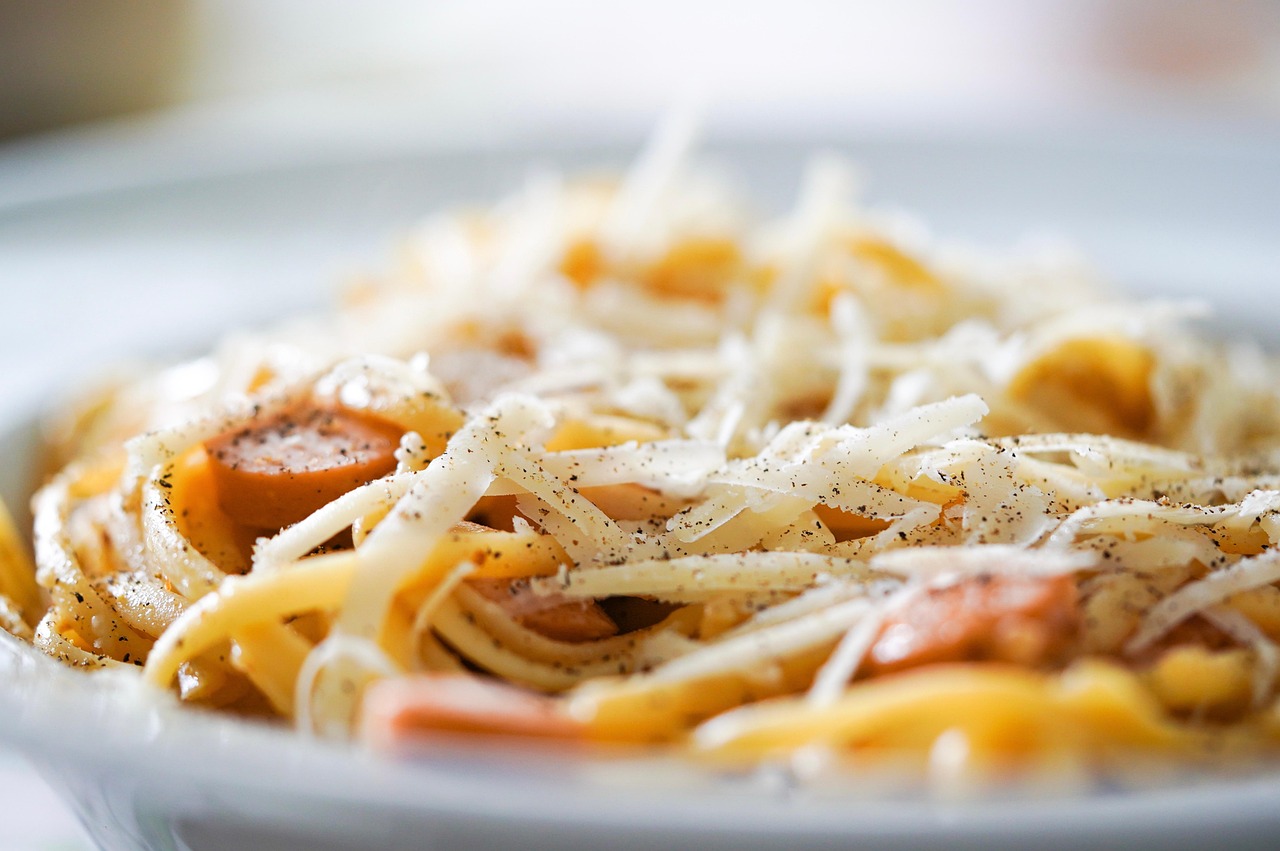
| Tuesday | Minestrone soup with white beans | Gluten-free pasta carbonara |
| Wednesday | Grilled vegetables with balsamic reduction | Chicken piccata with roasted potatoes |
| Thursday | Seafood salad with lemon and olive oil | Gluten-free pizza margherita |
| Friday | Frittata with seasonal vegetables | Branzino al forno with fennel |
| Saturday | Antipasti platter with cured meats and cheeses | Gluten-free lasagna with béchamel |
| Sunday | Panzanella salad (gluten-free bread) | Polenta with wild mushroom ragù |
🎉 Celebrating Italian Holidays the Gluten-Free Way
Italian celebrations center around food, and holiday dishes adapt beautifully to gluten-free preparations. Traditional feast day meals can maintain their significance and flavor while accommodating dietary requirements.
Christmas Eve Feast of the Seven Fishes
The Feast of the Seven Fishes, celebrated on Christmas Eve, features seafood dishes that are mostly naturally gluten-free. Baccalà (salt cod), shrimp fra diavolo, calamari, mussels marinara, and grilled octopus require no modifications. Pasta dishes simply need gluten-free alternatives while maintaining traditional preparations.
Easter Celebrations Without Compromise
Easter lamb, roasted with rosemary and garlic, has always been gluten-free. Accompanying dishes like roasted artichokes, asparagus risotto, and vegetable gratins need minimal or no adjustments. Colomba, the traditional Easter cake, can be made successfully with gluten-free flour blends, maintaining its characteristic dome shape and citrus-studded texture.
💡 Tips for Dining Out: Navigating Italian Restaurants Gluten-Free
Enjoying Italian restaurants while maintaining a gluten-free diet requires knowledge and communication. Many Italian establishments now offer gluten-free options, understanding the importance of accommodating dietary restrictions.
When dining out, communicate clearly with servers about your needs. Ask about pasta options and verify that sauces don’t contain flour as a thickener. Many Italian restaurants now stock gluten-free pasta and can prepare traditional dishes safely. Grilled meats, seafood, and risotto typically offer safe choices.
In Italy, awareness of celiac disease is high, and most restaurants, especially in larger cities, accommodate gluten-free diners. The phrase “senza glutine” (without gluten) helps communicate your needs. Many Italian establishments display the crossed-grain symbol indicating certified gluten-free options.
🌟 Bringing It All Together: Your Italian Gluten-Free Journey
Embracing gluten-free Italian cooking opens doors to healthier eating without sacrificing the joy and tradition of Italian cuisine. The recipes, techniques, and ingredient knowledge shared here provide everything needed to create authentic Italian meals that everyone can enjoy.
The journey into gluten-free Italian cooking reveals that dietary restrictions don’t limit culinary possibilities—they inspire creativity and deeper appreciation for quality ingredients. Each dish prepared reinforces that Italian food’s essence lies not in wheat flour but in fresh ingredients, time-honored techniques, and the love poured into every meal.
Start your gluten-free Italian adventure today. Stock your pantry with quality gluten-free ingredients, master a few basic techniques, and begin exploring regional specialties. Whether you’re preparing a simple weeknight dinner or an elaborate holiday feast, the flavors of Italy await, ready to delight your taste buds without compromise. Buon appetito! 🇮🇹