Your pantry holds the secret to fresher meals, significant savings, and a sustainable kitchen. Yet, most of us struggle with expired products, forgotten ingredients, and unnecessary waste that drains our wallets.

Mastering pantry management isn’t just about organization—it’s about creating a system that works effortlessly for your lifestyle. When you implement smart rotation strategies and track expiration dates effectively, you transform your kitchen into an efficient, waste-free zone that saves money while ensuring every meal uses the freshest ingredients possible.
🏠 Why Pantry Management Matters More Than You Think
The average household wastes approximately 30-40% of their food supply annually, with much of that waste originating from forgotten pantry items. This translates to hundreds of dollars thrown away each year, not to mention the environmental impact of producing, transporting, and disposing of unused food.
Effective pantry management addresses multiple pain points simultaneously. You’ll reduce grocery bills by avoiding duplicate purchases, minimize food waste by using items before they expire, and streamline meal planning by knowing exactly what ingredients you have available. Additionally, a well-organized pantry reduces stress during cooking and helps you maintain better nutritional habits by making healthy ingredients easily accessible.
📋 Understanding the FIFO System: Your Foundation for Success
The First-In-First-Out (FIFO) method forms the cornerstone of professional food management. This principle, used in restaurants and commercial kitchens worldwide, ensures that older products get used before newer ones, preventing expiration and waste.
Implementing FIFO in your home pantry is straightforward. When you purchase new items, place them behind existing products of the same type. This simple habit ensures you naturally reach for older items first. For maximum effectiveness, arrange your pantry so that items closest to expiration are at eye level and toward the front of shelves.
Making FIFO Work in Real Life
Start by dedicating 30 minutes to reorganizing your pantry with FIFO principles. Remove everything from one section at a time, check expiration dates, and replace items with the nearest expiration dates in front. Create designated zones for different product categories—grains, canned goods, snacks, baking supplies—to make the system intuitive.
Label shelves clearly and consider using shelf risers or tiered organizers to improve visibility. When items are easier to see, you’re less likely to forget about them. Some households find success with a “use first” bin where products nearing expiration get placed for priority consumption.
🗓️ Mastering Expiration Date Tracking
Not all expiration dates are created equal, and understanding the difference can significantly impact your waste reduction efforts. “Best by” dates indicate peak quality but don’t necessarily mean the product is unsafe afterward. “Use by” dates are more critical for perishability, while “Sell by” dates guide retailers rather than consumers.
Dry goods like pasta, rice, and dried beans often remain safe well beyond their printed dates when stored properly. Canned goods typically last years past their dates if undamaged. However, oils can go rancid, and baking ingredients lose potency over time, affecting recipe outcomes even if they’re technically safe to consume.
Creating Your Tracking System
Develop a tracking method that matches your lifestyle. Low-tech options include a whiteboard mounted inside your pantry door where you list items by expiration date, or index cards organized chronologically in a small file box. These manual systems work well for smaller households or those who prefer tangible, visible reminders.
For tech-savvy households, digital solutions offer powerful features. Spreadsheets allow sorting by date, category, or location, making it easy to identify what needs attention. Many people create simple inventory sheets with columns for item name, purchase date, expiration date, quantity, and location.
Dedicated pantry management apps have revolutionized home food tracking. These applications allow you to scan barcodes, automatically import expiration dates, receive notifications before items expire, and even suggest recipes based on ingredients you need to use soon. The convenience of having your entire pantry inventory in your pocket while grocery shopping prevents duplicate purchases and helps plan meals around what you already own.
💡 Smart Storage Solutions for Extended Freshness
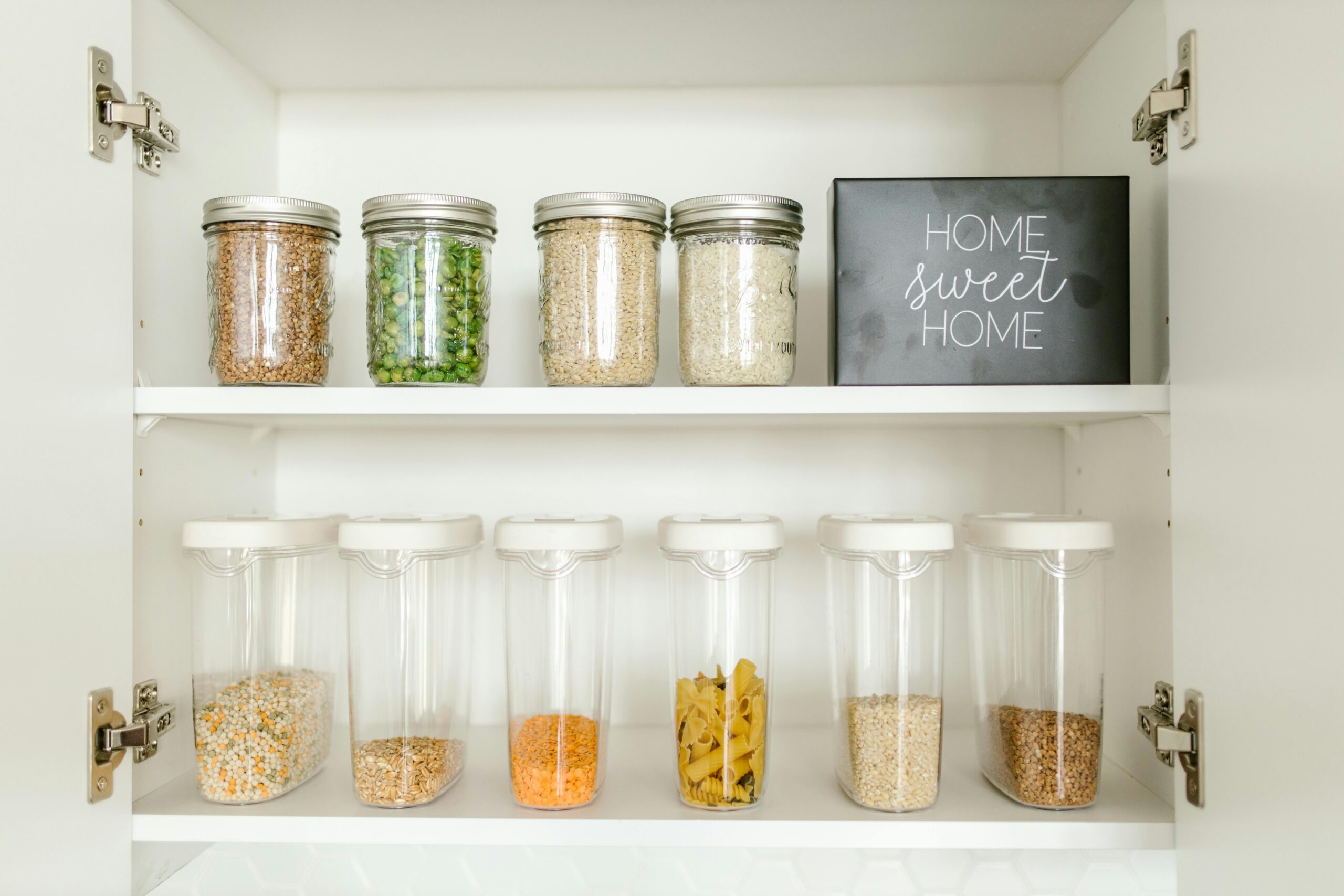
Proper storage significantly extends the life of pantry staples. Most people don’t realize that many products benefit from being transferred from original packaging to airtight containers. Exposure to air, moisture, and light accelerates deterioration, so investing in quality storage containers pays dividends.
Clear containers allow you to see contents and quantities at a glance, reducing the likelihood of forgetting items. Choose containers with airtight seals for flour, sugar, grains, and cereals. Square or rectangular containers maximize shelf space better than round ones. Label each container with both the contents and the expiration date—use masking tape and permanent marker for an economical labeling solution.
Temperature and Environment Considerations
Pantry location affects food longevity. Ideal storage areas remain cool, dark, and dry. Avoid cabinets near stoves, dishwashers, or sunny windows, as heat and humidity promote spoilage. The optimal temperature range is 50-70°F (10-21°C) with low humidity.
Some items benefit from refrigeration after opening, even if they were shelf-stable beforehand. Nuts, whole grain flours, and opened oils last significantly longer when refrigerated. Read storage instructions on packages, as manufacturers provide guidance based on product formulation.
🔄 Implementing a Weekly Rotation Routine
Consistency transforms pantry management from a chore into a habit. Designate one day weekly—many people choose Sunday—for a 15-minute pantry review. During this time, scan shelves for items approaching expiration, note what needs replenishing, and adjust your meal plan to incorporate ingredients that need using.
This weekly ritual serves multiple purposes. You’ll catch expiration dates before they pass, identify forgotten items before they’re wasted, and streamline grocery shopping by creating accurate lists. Additionally, regular reviews help you notice purchasing patterns and adjust buying habits to better match actual consumption.
The Monthly Deep Dive
Complement weekly checks with monthly comprehensive reviews. Once monthly, remove everything from your pantry, wipe down shelves, check for pests or spills, and reassess your organization system. This deeper cleaning catches items that might have been pushed to the back and provides an opportunity to refine your system based on what’s working and what isn’t.
During monthly reviews, take inventory of rarely used specialty ingredients. If you purchased an exotic spice or unusual grain for one recipe six months ago and haven’t touched it since, either commit to using it soon or accept that it may not fit your cooking style and donate it if still fresh.
🍽️ Meal Planning Integration for Zero Waste
Your pantry management system becomes exponentially more effective when integrated with meal planning. Before creating your weekly menu, review pantry items nearing expiration and build meals around those ingredients. This approach ensures nothing goes to waste while adding variety to your meals as you incorporate different items.
Create a “pantry challenge” once monthly where you commit to shopping minimally and cooking primarily from existing stock. This practice not only reduces waste but often sparks culinary creativity as you combine ingredients in new ways. Many families discover favorite new recipes during these challenge periods.
Recipe Resources for Pantry Ingredients
Numerous websites and apps help you find recipes based on ingredients you have on hand. Input items that need using, and these tools generate recipe ideas, helping you avoid waste while expanding your cooking repertoire. This functionality is particularly valuable for unusual ingredients or when you have seemingly random combinations of items approaching expiration.
💰 Financial Benefits of Organized Pantry Management
The economic advantages of pantry mastery extend beyond simply avoiding waste. When you know exactly what you have, you shop strategically, purchasing items only when actually needed or when genuinely on sale. This awareness prevents the common trap of buying sale items you already have in abundance.
Tracking helps you identify your true consumption patterns. You might discover you purchase certain items far more frequently than necessary because you forget you have them, or that bulk purchases of products you use infrequently lead to expiration before consumption. These insights allow you to optimize purchasing decisions for maximum value.
Quantifying Your Savings
Consider documenting items you prevent from expiring through your new system. Note the cost of each saved item over several months. Most households are surprised to discover they save $50-150 monthly simply by using what they already own. Annually, this totals $600-1,800—money that can be redirected toward higher quality ingredients, kitchen equipment, or other financial goals.
🌍 Environmental Impact and Sustainable Living
Beyond personal benefits, effective pantry management contributes meaningfully to environmental sustainability. Food waste represents wasted resources at every stage: agricultural water and land use, transportation fuel, packaging materials, and landfill space. When food decomposes in landfills, it produces methane, a greenhouse gas significantly more potent than carbon dioxide.
By minimizing waste, you reduce your environmental footprint substantially. The cumulative effect of millions of households reducing food waste would significantly decrease agricultural demand, conserve water, reduce greenhouse gas emissions, and decrease landfill burden. Your pantry management practices contribute to this larger positive impact.
👨👩👧👦 Getting the Whole Family Involved
Pantry management works best as a household team effort. Teach children about expiration dates, FIFO principles, and why food waste matters. Assign age-appropriate tasks like checking specific shelves, updating inventory lists, or suggesting meals based on ingredients that need using.
When everyone understands the system, compliance improves dramatically. Family members will naturally place new items behind old ones, alert you to expiring products, and think twice before requesting grocery items you already have. This shared responsibility also teaches valuable life skills and environmental awareness to younger household members.
🔧 Troubleshooting Common Pantry Challenges
Small pantries require creative solutions. Vertical storage maximizes limited space—use stackable containers, over-door organizers, and wall-mounted shelves. Group items by category in bins that can be pulled out entirely for easy access to items in back. Consider whether rarely used appliances occupying valuable pantry space might be better stored elsewhere.
For households with multiple cooks, establish clear communication systems. A shared digital inventory accessible on multiple devices helps everyone stay informed. Alternatively, maintain a central physical list where anyone can note when items are running low or approaching expiration.
Dealing with Bulk Purchases
Warehouse club shopping offers savings but can lead to waste if not managed properly. Before buying bulk quantities, honestly assess consumption rates. Divide large packages into smaller portions immediately upon arriving home, dating each portion and storing some in freezer if appropriate. Share bulk purchases with friends or family to access savings without excess quantity.
🎯 Advanced Strategies for Pantry Excellence
Once basic systems are established, consider advanced optimization. Implement category-based organization with dedicated zones for breakfast items, baking supplies, snacks, canned goods, and dinner staples. This spatial organization speeds meal preparation and makes inventory checks faster.
Develop a personal pantry staples list—items you consistently use and should always have available. When these items run low, they go directly on your shopping list. This approach ensures you never run out of essentials while avoiding over-purchasing items used less frequently.
Seasonal rotation keeps your pantry relevant. As seasons change, move appropriate items forward—baking supplies before holidays, grilling ingredients in summer, hearty soup components in winter. This proactive rotation ensures seasonal ingredients get used during their relevant periods rather than being rediscovered months later.
📊 Measuring Success and Continuous Improvement
Track metrics to quantify improvement. Note monthly totals of expired items discarded, estimated value of food saved through better management, and money saved by avoiding duplicate purchases. These concrete numbers provide motivation and help refine your approach.
Periodically evaluate your system’s effectiveness. If certain items consistently expire, you’re purchasing more than you consume—adjust buying habits accordingly. If you frequently run out of staples, you’re underestimating needs or not monitoring inventory adequately. Let actual usage patterns guide continuous system refinement.
Mastering your pantry requires initial effort but quickly becomes second nature, delivering ongoing benefits that compound over time. Fresh ingredients, reduced waste, significant savings, and stress-free cooking await those who implement these strategies consistently. Your organized, efficiently managed pantry becomes a cornerstone of household efficiency and sustainable living, proving that small changes in daily habits create substantial long-term impact. Start today with one shelf, one system, one habit—and watch as your kitchen transforms into a model of freshness, savings, and zero waste excellence.