Bulk food sections offer incredible value and variety, but they also require careful navigation to ensure food safety and hygiene. Shopping smart means protecting yourself and your family from potential contamination.

The growing popularity of bulk shopping has transformed how we purchase everyday essentials, from grains and nuts to spices and dried fruits. While these sections provide economic benefits and reduce packaging waste, they also present unique challenges that require awareness and proper handling techniques. Understanding how to safely navigate bulk food areas empowers you to make confident purchasing decisions while maintaining the highest standards of food safety for your household.
🛒 Understanding the Bulk Food Environment
Bulk food sections operate differently from pre-packaged products, creating an open environment where multiple customers interact with the same dispensers and bins. This shared access point means increased opportunities for cross-contamination if proper precautions aren’t followed.
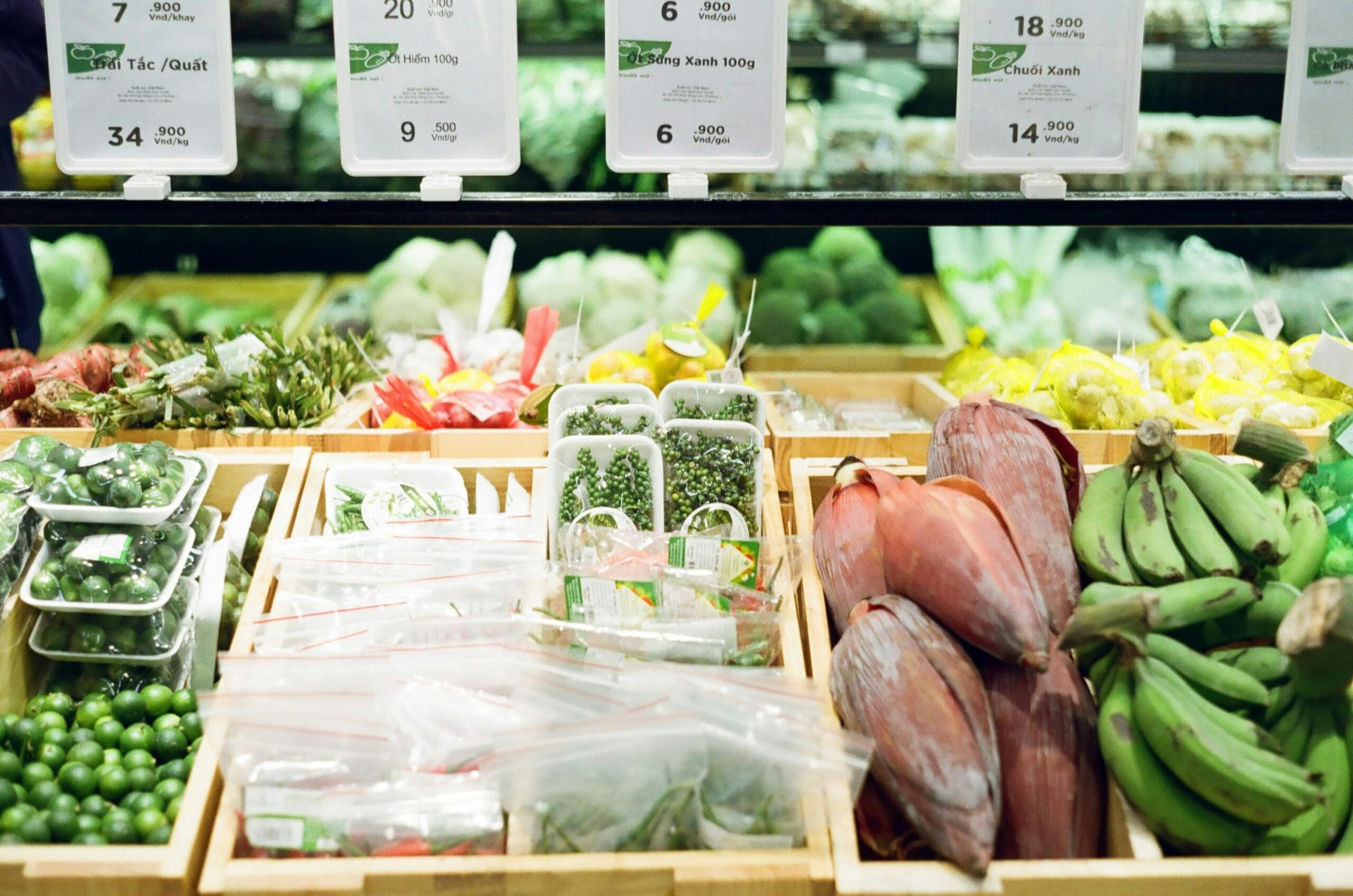
Store layouts vary significantly, with some establishments maintaining meticulously organized bulk areas featuring sealed dispensers, while others offer open bins that allow direct hand contact with food. Recognizing these differences helps you assess the hygiene standards of each store and make informed decisions about where to shop.
Temperature control represents another critical factor in bulk food safety. Certain items like nuts and seeds can develop rancidity when exposed to heat and light over extended periods. Observing how stores maintain their bulk sections provides valuable insights into their commitment to food quality.
Essential Pre-Shopping Preparations
Before heading to the bulk section, bring your own reusable containers or bags specifically designated for food storage. Clean, dry containers prevent contamination and demonstrate your commitment to hygiene. Many stores now encourage customers to weigh empty containers at customer service before filling them, ensuring accurate pricing while promoting sustainability.
Creating a shopping list focused on items you’ll actually use within reasonable timeframes prevents waste and ensures freshness. Bulk shopping works best when you purchase quantities that align with your consumption patterns rather than simply buying large amounts because prices appear attractive.
Hand sanitizer should become your constant companion during bulk shopping trips. Apply it before touching dispensers, after adjusting bins, and certainly before reaching into any open containers. This simple habit significantly reduces contamination risks.
🔍 Inspecting Dispensers and Bins
Visual inspection serves as your first line of defense against potential problems. Examine dispensers for cleanliness, checking whether spouts show residue buildup or signs of pest activity. Clean, well-maintained equipment typically indicates responsible store management and proper hygiene protocols.
Look inside bins before committing to a purchase. Food should appear uniform in color and texture without visible moisture, clumping, or discoloration. These signs often indicate improper storage conditions or contamination issues that compromise food safety.
Check turnover rates by observing how full bins remain throughout the week. High-traffic stores with frequent restocking generally offer fresher products compared to locations where bulk items sit unchanged for extended periods. Don’t hesitate to ask staff about restocking schedules.
Proper Handling Techniques for Maximum Safety
Never insert your hands directly into bulk bins, regardless of how convenient it might seem. Always use the provided scoops, tongs, or dispensers. If utensils appear dirty or are missing entirely, request clean ones from store staff or choose a different product.
Position your container carefully beneath dispensers to avoid spillage and prevent contamination from surfaces. Hold bags open with one hand while operating dispensers with the other, maintaining a smooth, controlled flow that minimizes mess and waste.
Avoid overfilling containers, which can lead to spills and make proper sealing difficult. Leave adequate space at the top of bags and jars to ensure secure closure during transport and storage at home.
🥜 Category-Specific Safety Considerations
Nuts and Seeds
These products contain natural oils that can become rancid when exposed to air, light, and heat. Smell samples before purchasing large quantities—fresh nuts have a pleasant, mild aroma while rancid ones emit an unpleasant, paint-like odor. Check for uniform color and avoid products showing oil separation or discoloration.
Grains and Flours
Inspect carefully for any signs of insects, webbing, or unusual clumping. These indicators suggest pest infestation or moisture problems. Grains should flow freely without sticking together, and flour should appear consistently fine without lumps or color variations.
Dried Fruits
Proper moisture content is crucial for dried fruit safety. Items should feel pliable but not sticky or wet. Excessive moisture promotes mold growth, while overly dry fruits may have been stored too long. Sulfur dioxide is commonly used as a preservative—individuals with sensitivities should verify ingredient information posted near bins.
Spices and Herbs
Vibrant colors indicate freshness and proper storage. Faded spices have likely lost potency and flavor. Smell is particularly important here—robust aromas suggest recently stocked products while weak scents indicate age and diminished quality.
Understanding Cross-Contamination Risks
Allergen cross-contamination represents a serious concern in bulk sections where scoops might be used across multiple bins. Individuals with severe allergies should exercise extreme caution and consider purchasing pre-packaged alternatives for high-risk items.
Observe how stores organize their bulk sections. Responsible retailers separate allergenic items like peanuts from other nuts and clearly label all products with allergen information. Mixed arrangements increase cross-contamination risks significantly.
Gluten-free shoppers face particular challenges since flour dust and grain particles can easily migrate between bins. Look for stores offering dedicated gluten-free bulk sections or opt for certified pre-packaged products when cross-contamination concerns outweigh bulk buying benefits.
💡 Smart Selection Strategies
Purchase smaller quantities initially when trying new products or shopping at unfamiliar stores. This approach allows you to assess quality without committing to large amounts that might go to waste if items don’t meet expectations.
Compare prices between bulk and packaged options, factoring in quality differences. Sometimes pre-packaged products offer better value when considering freshness guarantees and reduced contamination risks, especially for items you use infrequently.
Seasonal considerations affect bulk food quality significantly. Items stored throughout summer months may have suffered heat exposure, while products stocked during cooler seasons generally maintain better quality. Timing your bulk purchases strategically ensures optimal freshness.
Transportation and Storage Best Practices
Transfer bulk purchases to your vehicle promptly, especially during extreme weather. Heat accelerates rancidity and creates conditions favorable for bacterial growth, while freezing temperatures can affect texture and moisture content.
Avoid leaving bulk foods in your car for extended periods. Bring insulated bags or coolers for temperature-sensitive items, and prioritize getting purchases home quickly, particularly during summer months or in hot climates.
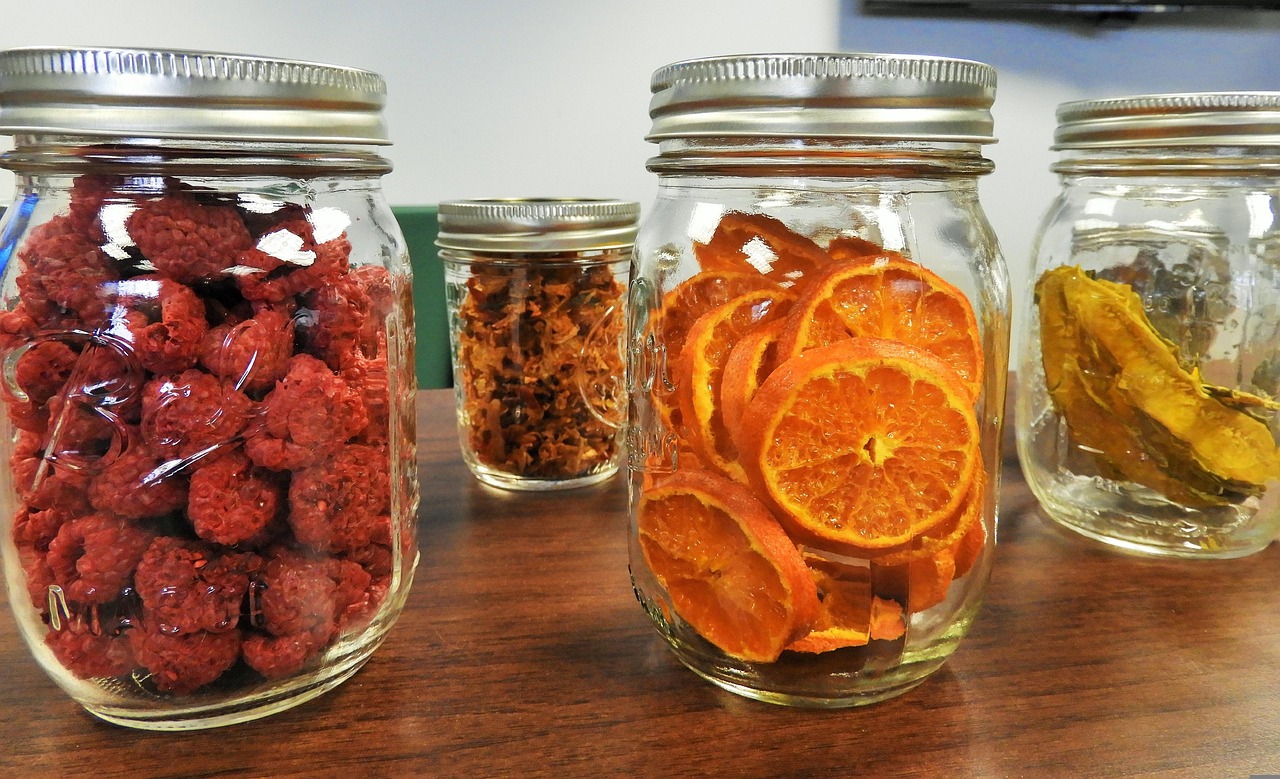
Once home, transfer items to appropriate storage containers immediately. Glass jars with tight-fitting lids work excellently for most dry goods, while vacuum-sealed containers extend shelf life for nuts, seeds, and coffee beans. Label everything clearly with contents and purchase dates to track freshness.
🏪 Evaluating Store Hygiene Standards
Overall store cleanliness provides important clues about bulk section management. Floors should be clean and free from spilled product, surfaces should appear regularly wiped down, and staff should demonstrate knowledge about bulk section maintenance and food safety protocols.
Observe how staff handle restocking procedures. Responsible employees wash hands, use clean utensils, and avoid cross-contaminating products during refilling. They should also rotate stock properly, placing newer items behind existing products to ensure older items sell first.
Customer behavior matters too. Stores that actively monitor their bulk sections and remind customers about proper handling procedures typically maintain higher hygiene standards than those adopting a hands-off approach. Don’t hesitate to alert staff if you witness unsanitary practices.
Special Considerations for Liquid Bulk Items
Oils, vinegars, honey, and nut butters require additional attention. Inspect dispensers for drips, residue buildup, and proper sealing mechanisms. Liquid items are particularly susceptible to oxidation and contamination when dispensers aren’t properly maintained.
Bring appropriate containers with secure lids for liquid purchases. Many stores require specific container types for liquids to prevent leakage and ensure accurate weight measurements. Verify store policies before attempting to fill your own containers.
Check expiration dates and pressing dates for oils, as these products have limited shelf lives once exposed to air. Cloudy appearance, off-odors, or unusual separation indicate quality problems that warrant avoiding those particular products.
🔄 Recognizing Warning Signs
Trust your instincts when something seems wrong. Unusual odors, unexpected textures, or questionable appearances justify choosing alternative products or shopping elsewhere entirely. Your health and safety should never be compromised for perceived savings.
Empty or nearly empty bins sometimes indicate either extremely popular items or products avoided by knowledgeable shoppers. Investigate further before purchasing from bins that remain perpetually low despite restocking days.
Pest evidence including droppings, webbing, or visible insects demands immediate reporting to store management and complete avoidance of affected areas. Responsible retailers appreciate customer feedback and take corrective action promptly.
Building Positive Relationships with Store Staff
Developing rapport with bulk section employees provides access to valuable insider knowledge about delivery schedules, popular items, and quality concerns. Staff members often share helpful tips about product selection and upcoming promotions with regular customers.
Ask questions confidently about sourcing, storage practices, and turnover rates. Knowledgeable staff should provide clear answers demonstrating familiarity with their products and commitment to quality standards.
Provide constructive feedback when you notice problems or particularly appreciate excellent service. Your input helps stores maintain high standards and shows your investment in the shopping community’s collective wellbeing.
📱 Leveraging Technology for Safer Shopping
Several mobile applications help bulk shoppers track purchases, monitor prices, and maintain inventory at home. These tools prevent overbuying and ensure you use products before expiration dates arrive.
Barcode scanning apps allow you to verify product information, check recalls, and compare prices across multiple stores. This technology empowers informed decision-making and enhances your overall bulk shopping experience.
Store-specific apps often include information about bulk section layouts, product availability, and special promotions. Downloading apps for your favorite stores streamlines shopping trips and keeps you informed about relevant updates.
Financial Benefits Without Compromising Safety
Bulk shopping delivers significant savings when approached strategically. Calculate unit prices accurately, accounting for potential waste from spoilage or quality issues. Sometimes slightly higher prices for packaged goods prove more economical than discarded bulk purchases.
Split large quantities with friends or family members to enjoy bulk pricing while maintaining reasonable household quantities. This cooperative approach reduces waste, saves money, and ensures everyone receives fresh products.
Track your bulk purchases and consumption patterns to identify genuinely valuable items versus those that seem like good deals but ultimately don’t align with your needs. This data-driven approach optimizes your bulk shopping strategy over time.
🌱 Environmental Considerations and Safety
Bulk shopping reduces packaging waste significantly, but environmental benefits shouldn’t override food safety concerns. Choose stores balancing sustainability with rigorous hygiene standards rather than accepting compromised safety for ecological gains.
Reusable container systems work wonderfully when maintained properly. Wash containers thoroughly between uses, inspect regularly for damage or wear, and retire items showing signs of deterioration. Clean containers protect your health while supporting environmental goals.
Consider the complete environmental picture, including transportation frequency and quantity purchased. Sometimes buying larger packaged quantities less frequently produces a smaller carbon footprint than multiple trips for small bulk purchases.
Creating Your Personal Bulk Shopping Protocol
Develop a consistent routine incorporating all safety considerations discussed throughout this article. Standardized procedures reduce oversights and ensure you maintain high standards regardless of time pressures or distractions.
Maintain a bulk shopping toolkit including hand sanitizer, reusable bags and containers, a small notebook for tracking purchases, and a magnifying glass for detailed product inspection. Preparation demonstrates commitment to safe, successful bulk shopping experiences.
Review and update your approach periodically based on new information, changing store conditions, and evolving personal needs. Flexibility combined with foundational safety principles creates an adaptable yet reliable bulk shopping strategy.
💪 Empowering Yourself as an Informed Consumer
Knowledge transforms bulk shopping from a potentially risky activity into a confident, rewarding experience. Understanding safety principles, recognizing quality indicators, and implementing proper handling techniques protect your health while maximizing value.
Share your knowledge with fellow shoppers, creating a community committed to safe bulk food practices. Collective awareness raises standards across entire stores and encourages retailers to prioritize hygiene and quality.
Remember that you always retain the power to choose where and how you shop. Supporting establishments demonstrating genuine commitment to food safety encourages industry-wide improvements and rewards responsible business practices.
Your vigilance and informed decision-making create positive ripple effects extending far beyond individual shopping trips. Every careful inspection, every proper handling technique, and every thoughtful purchase contributes to a safer, more sustainable food system benefiting everyone. Embrace bulk shopping with confidence, armed with knowledge and committed to practices protecting both your family and your community.