Navigating the global marketplace can feel overwhelming when you’re faced with products from different countries, each bearing labels in unfamiliar languages and formats. Understanding what you’re buying, eating, or using becomes crucial for health, safety, and making informed consumer choices.

Whether you’re shopping online from international retailers, exploring specialty stores, or traveling abroad, the ability to decode product labels transcends language barriers and empowers you as a consumer. This comprehensive guide will equip you with practical strategies to confidently interpret labels from around the world, ensuring you know exactly what you’re purchasing regardless of where it originated.
🌍 Why International Label Reading Matters More Than Ever
The rise of global e-commerce has transformed how we shop, giving us access to products from virtually every corner of the planet. From Korean skincare to Japanese electronics, Italian foods to German supplements, international products have become part of our daily lives. Yet this convenience comes with responsibility.
Product labels contain critical information about ingredients, allergens, usage instructions, expiration dates, and safety warnings. Misunderstanding these details can lead to allergic reactions, improper product use, or disappointment with your purchase. Moreover, different countries have varying regulations about what must appear on labels, making standardization nearly impossible.
Learning to read international labels effectively protects your health, ensures you get value for money, and helps you make choices aligned with your personal values regarding sustainability, ethics, and quality standards.
🔍 Universal Symbols: Your First Decoding Tool
Before diving into language-specific strategies, familiarize yourself with international symbols that transcend linguistic boundaries. These pictograms communicate essential information instantly, regardless of the text surrounding them.
Common International Product Symbols
The recycling symbol with numbers 1-7 indicates the type of plastic used in packaging. The green dot (Der Grüne Punkt) signifies that the manufacturer contributes to recycling systems in Europe. The crossed-out wheelie bin symbol on electronics means the product shouldn’t be disposed of with regular household waste.
Food-related symbols include the wine glass and fork icon representing food-safe materials, the snowflake for frozen products, and various certification marks like organic seals, fair trade logos, and religious dietary symbols such as Halal or Kosher certifications.
Safety symbols are particularly important: the flame indicates flammable contents, the exclamation mark warns of irritants, the skull and crossbones signals toxic substances, and the corrosion symbol alerts you to corrosive materials.
📱 Technology as Your Translation Companion
Modern technology has revolutionized how we interact with foreign-language products. Your smartphone can instantly transform indecipherable text into readable information, making international shopping significantly more accessible.
Camera Translation Apps
Google Translate remains one of the most powerful tools for label reading, offering real-time camera translation that overlays translated text directly onto your screen as you point your camera at a label. This instant visual translation works with over 100 languages and doesn’t require you to take photos or type anything.
Microsoft Translator offers similar functionality with strong performance in European and Asian languages. Papago specializes in Asian languages, particularly Korean, Japanese, and Chinese, providing more nuanced translations for products from these regions.
Barcode Scanning Applications
Barcode scanner apps can reveal detailed product information by accessing global databases. These applications work internationally because barcodes use standardized formats recognized worldwide, connecting you to ingredient lists, allergen warnings, and user reviews regardless of where the product was manufactured.
Apps like Yuka and CodeCheck scan barcodes to provide health and environmental ratings for food and cosmetic products, drawing from international databases. While these may not cover every obscure international product, they handle major brands remarkably well.
🍎 Decoding Food Labels Across Borders
Food labels present unique challenges because they contain highly regulated information crucial to health and safety. Different countries organize nutritional information differently, use varying measurement systems, and highlight different aspects of food composition.
Understanding International Nutrition Labels
European Union nutrition labels list energy in both kilojoules (kJ) and kilocalories (kcal), followed by fat, saturates, carbohydrates, sugars, protein, and salt. These values appear per 100g or 100ml, making product comparison straightforward, with optional per-serving information.
United States labels emphasize serving sizes and daily value percentages, showing how much of recommended daily intake each serving provides. Asian labels vary significantly by country, with Japan using detailed ingredient lists in descending order by weight, while Chinese labels often include manufacturing dates using year-month-day formats.
Ingredient Lists: Universal Principles
Regardless of language, most countries require ingredients to be listed in descending order by weight. The first few ingredients constitute the majority of the product, making them most important to understand. Watch for multiple forms of the same ingredient appearing separately, a tactic that can mask high quantities of sugar, salt, or additives.
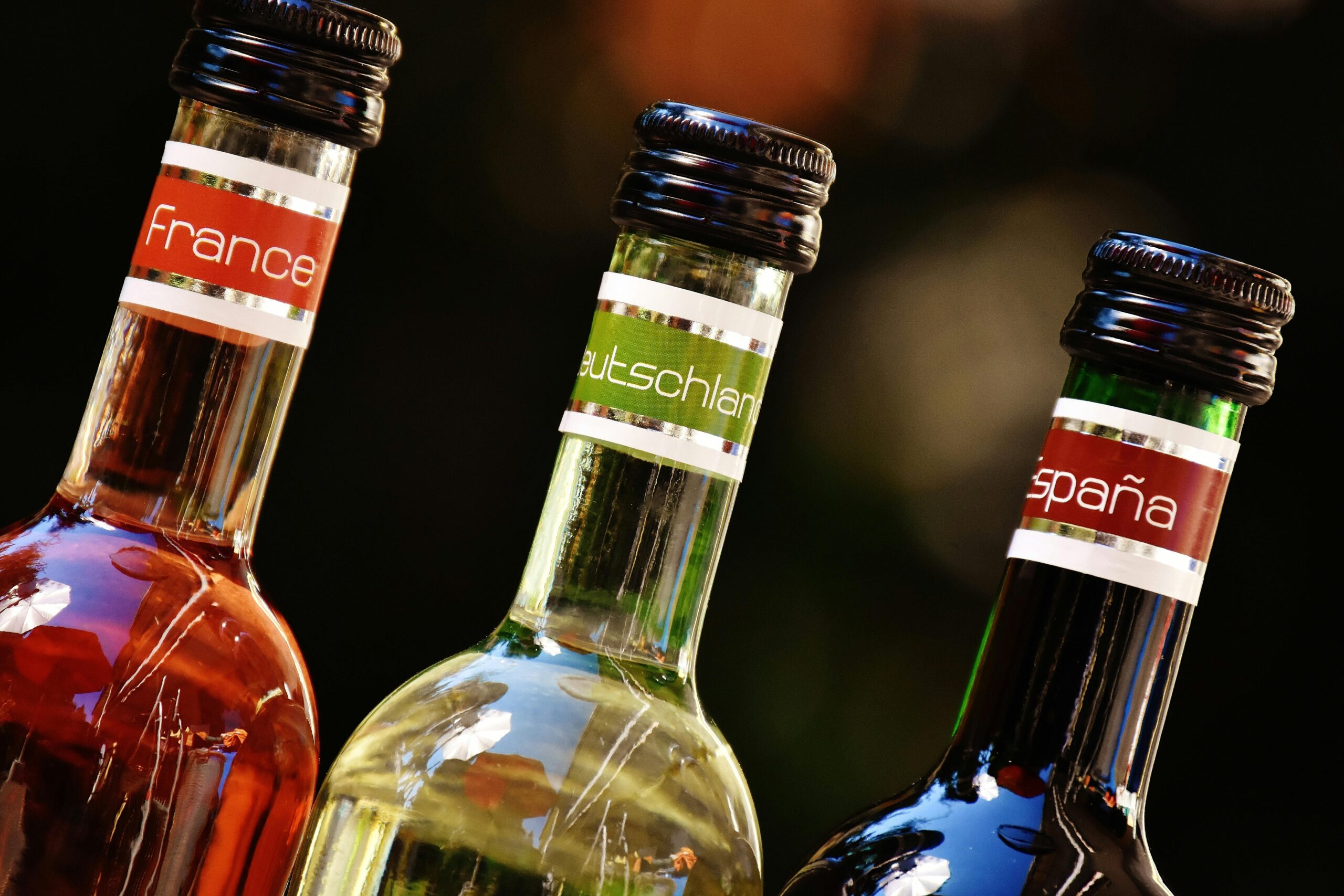
Common ingredients have recognizable cognates across languages. Sugar appears as “sucre” (French), “zucker” (German), “azúcar” (Spanish), “zucchero” (Italian), and “açúcar” (Portuguese). Water is “eau,” “wasser,” “agua,” “acqua,” and “água” respectively.
⚠️ Allergen Information: Critical Decoding Skills
For those with food allergies or intolerances, understanding allergen information on international labels isn’t just convenient—it’s potentially life-saving. Fortunately, major allergens are relatively consistent worldwide, though presentation formats differ.
The Big Eight Allergens
The most common allergens regulated in many countries include milk, eggs, fish, shellfish, tree nuts, peanuts, wheat, and soybeans. European regulations also highlight celery, mustard, sesame, lupin, mollusks, and sulfites. Learning these terms in common languages equips you for most shopping scenarios.
Many countries require allergens to be highlighted in bold, italics, or CAPITALS within ingredient lists. Some use separate “Contains” statements, while others employ symbols or pictograms. When in doubt, photograph the entire ingredient list and use translation technology before consuming unfamiliar products.
💄 Cosmetics and Personal Care Products
Beauty and personal care products from international markets offer exciting variety, but their labels require special attention. These products contact your skin directly, making ingredient awareness essential for avoiding reactions.
INCI Names: The Universal Language of Cosmetics
The International Nomenclature of Cosmetic Ingredients (INCI) provides a standardized naming system used worldwide. Ingredients like “Aqua” (water), “Sodium Lauryl Sulfate,” and “Tocopherol” (Vitamin E) appear identically on labels from Tokyo to Paris to New York.
This standardization means you can research ingredients regardless of the product’s origin. Websites like the Environmental Working Group’s Skin Deep database allow you to search INCI names to understand potential concerns, allergen risks, and ingredient functions.
Period After Opening (PAO) Symbol
The small jar icon with a number followed by “M” indicates how many months the product remains safe after opening. This symbol appears globally, transcending language barriers. A “12M” marking means use within twelve months of opening, while “24M” indicates a two-year shelf life after the seal is broken.
📦 Understanding Date Markings Worldwide
Date formats vary dramatically across regions, creating confusion that can lead to using expired products or discarding perfectly good ones. Mastering international date conventions saves money and ensures safety.
Global Date Format Variations
The United States typically uses month-day-year (MM/DD/YYYY), while most of Europe employs day-month-year (DD/MM/YYYY). Asian countries, particularly Japan, China, and Korea, often use year-month-day (YYYY/MM/DD) formats. Without context, “03/05/22” could mean March 5, May 3, or the fifth day of the third month of year 22 in different systems.
Look for contextual clues: numbers above 12 in the first position indicate day-first format; four-digit numbers suggest year-first systems. Labels often include text indicators like “EXP” (expiration), “MFG” (manufacturing), “BBE” or “BB” (best before), which provide helpful context.
Batch Codes and Lot Numbers
Beyond obvious dates, products carry batch codes that manufacturers use for tracking. Websites like CheckCosmetic.net and CheckFresh.com decode these cryptic numbers for many cosmetic brands, revealing manufacturing dates even when labels don’t explicitly state them.
🔬 Certification Marks and Quality Seals
International products display numerous certification marks indicating quality standards, safety testing, and regulatory compliance. Recognizing legitimate certifications helps you identify trustworthy products and avoid counterfeits.
Safety and Compliance Marks
The CE marking indicates European conformity standards for health, safety, and environmental protection. UL certification from Underwriters Laboratories signifies North American safety standards. The CCC mark (China Compulsory Certificate) is mandatory for products sold in China.
For electronics specifically, FCC (Federal Communications Commission) marks indicate US electromagnetic interference compliance, while RoHS certification confirms products meet restrictions on hazardous substances.
Quality and Origin Certifications
PDO (Protected Designation of Origin) and PGI (Protected Geographical Indication) protect traditional European food products. The JAS mark certifies Japanese agricultural standards. USDA Organic, EU Organic Leaf, and various national organic certifications indicate organic farming practices, though standards vary by region.
🛡️ Safety Warnings and Usage Instructions
Safety information represents perhaps the most critical content on any product label. Misunderstanding usage instructions or warnings can lead to injury, product damage, or health risks.
Pictorial Safety Information
Many safety warnings now use standardized pictograms from the Globally Harmonized System (GHS) for chemical classification and labeling. These consistent symbols appear on products worldwide, depicting hazards through simple, recognizable images requiring no translation.
Even when text instructions appear in foreign languages, numbered step-by-step diagrams often accompany complex assembly or usage procedures. These visual guides transcend language barriers, though translation apps can clarify ambiguous steps.
🌱 Sustainability and Ethical Labels
Increasingly, consumers seek products aligned with environmental and ethical values. International sustainability certifications help identify products meeting specific standards, though the proliferation of green-washing makes informed recognition essential.
Recognized Environmental Certifications
The FSC (Forest Stewardship Council) label indicates responsibly sourced wood and paper products. Marine Stewardship Council (MSC) certification marks sustainable seafood. The Leaping Bunny symbol signifies cruelty-free products not tested on animals. Fair Trade certifications ensure ethical labor practices and fair compensation for producers.
Energy efficiency labels vary by region—Energy Star in North America, the EU Energy Label in Europe, and various national systems elsewhere—but all use similar visual scales making efficiency comparison intuitive even across different systems.
📝 Building Your Personal Label-Reading System
Developing a consistent approach to evaluating international products streamlines the process and reduces overwhelm when confronted with unfamiliar labels.
Your Essential Label-Reading Checklist
- Identify the product category and intended use through images and universal symbols
- Locate and photograph all text panels, particularly ingredient lists and safety warnings
- Check for internationally recognized certification marks and symbols
- Identify date markings and determine which dating system is used
- Scan barcodes using product information apps for database-derived details
- Translate key sections using camera translation apps, prioritizing allergens and warnings
- Research unfamiliar ingredients or terms using international databases
- Verify manufacturer information and country of origin when relevant to your concerns
Creating a Reference Library
Maintain a digital folder with photos of successfully translated labels from brands you frequently purchase. This personal reference library speeds future shopping and helps you recognize familiar products even in different packaging or languages.
Bookmark reliable ingredient databases, certification verification websites, and translation resources for quick access. Over time, you’ll build familiarity with common terms, symbols, and brand formatting that makes label reading increasingly intuitive.
🎯 Becoming a Confident International Consumer
Mastering international label reading transforms from daunting challenge to empowering skill with practice and the right tools. Each successfully decoded label builds your confidence and expands your ability to engage with the global marketplace safely and knowledgeably.
The combination of universal symbols, translation technology, standardized ingredient nomenclature, and international certification systems means you’re never truly without resources when confronting unfamiliar products. These interconnected systems exist precisely to facilitate global commerce while maintaining consumer safety and informed choice.
Remember that label reading proficiency develops progressively. Start with product categories most important to you—whether food due to allergies, cosmetics for skin sensitivities, or electronics for safety concerns. As competence grows in one area, skills transfer naturally to others.
Your willingness to engage thoughtfully with international products enriches your consumer experience, opens access to innovative items unavailable locally, and connects you to global cultures through everyday purchases. The investment in developing label literacy pays dividends in safety, satisfaction, and the confidence to explore the remarkable diversity of products our interconnected world offers.
Armed with these strategies, symbols, and digital tools, you’re well-equipped to navigate international product labels with assurance. The global marketplace awaits your informed participation, and every decoded label represents another step toward true consumer empowerment across borders and languages.