Building a safe pantry isn’t about fear or panic—it’s about smart preparation that brings genuine peace of mind. Whether you’re facing uncertain times, preparing for emergencies, or simply wanting to avoid last-minute grocery runs, a well-stocked pantry transforms your home into a sanctuary of self-sufficiency.

The concept of pantry preparedness has evolved significantly over recent years. What once seemed like an extreme measure has become a mainstream practice embraced by families worldwide. Creating your perfect safe pantry starter kit doesn’t require massive storage spaces or enormous budgets. It’s about strategic planning, understanding your family’s needs, and making informed decisions that ensure both safety and nutrition during any situation.
🏠 Understanding Your Safe Pantry Foundation
Before rushing to fill shelves with random canned goods, take time to assess your actual needs. A safe pantry starter kit should reflect your household’s dietary preferences, nutritional requirements, and realistic consumption patterns. Consider how many people you’re stocking for, any dietary restrictions, and the types of meals your family actually enjoys eating.
Your pantry strategy should account for shelf life, storage conditions, and rotation practices. The most expensive emergency food supply becomes worthless if it expires before you use it or if your family refuses to eat it during stressful times. Familiarity breeds comfort, so stock foods you already know and love.
Calculating Your Baseline Supply Duration
Most preparedness experts recommend starting with a two-week supply before expanding to one month or longer. This timeframe covers most short-term disruptions—from severe weather events to temporary supply chain hiccups—without overwhelming beginners with massive purchasing requirements.
Calculate your baseline needs by tracking what your household actually consumes in a typical week. Multiply those quantities by your target duration, then add a buffer of approximately 10-15% for comfort and unexpected needs. This mathematical approach removes guesswork and prevents both under-stocking and wasteful over-purchasing.
🥫 Essential Non-Perishable Foods for Your Starter Kit
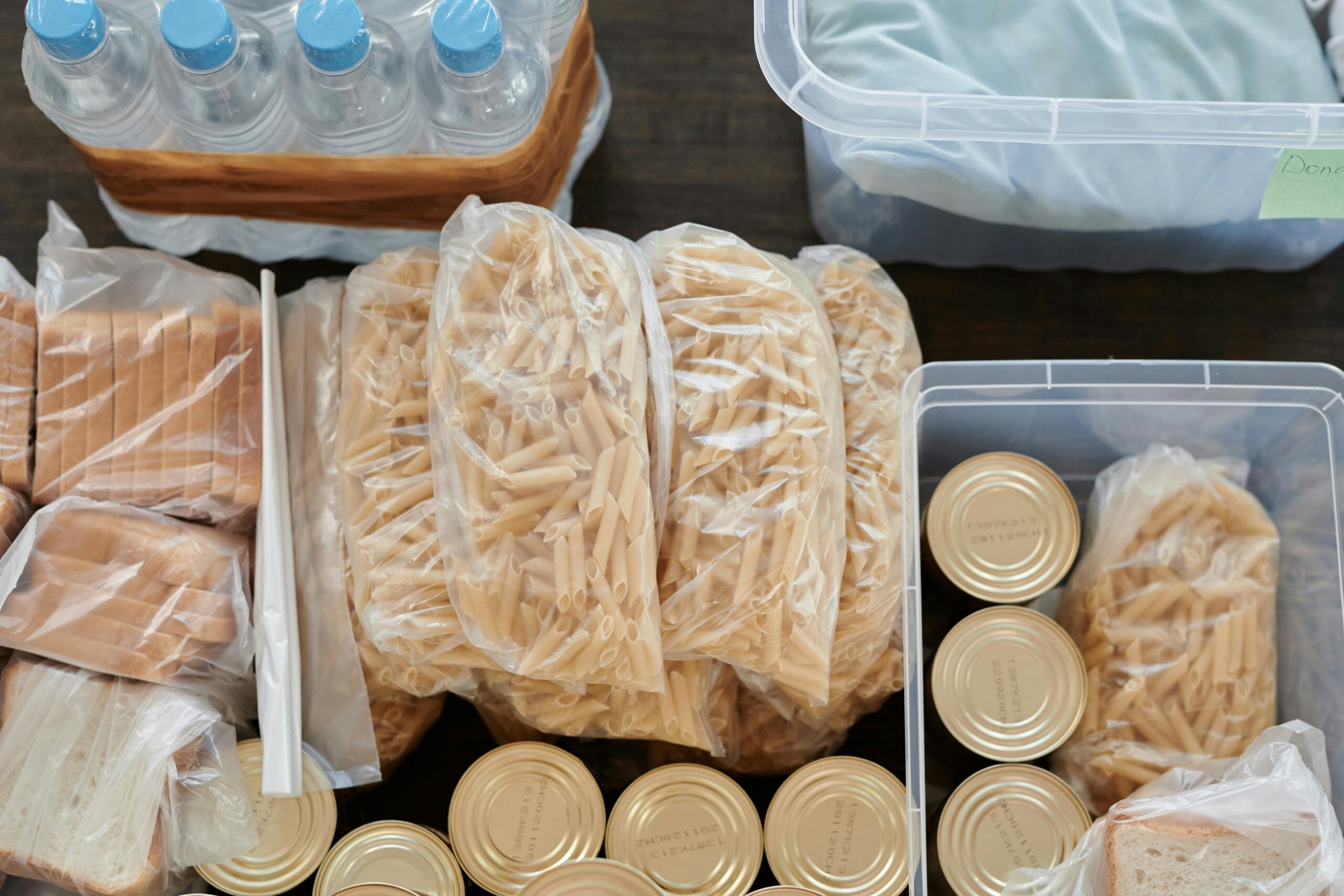
The cornerstone of any safe pantry consists of shelf-stable foods that require minimal preparation and provide substantial nutrition. These items should form the backbone of your emergency food supply while remaining versatile enough for everyday cooking.
Protein-Rich Staples
Protein keeps you satisfied and provides essential nutrients during stressful periods. Stock multiple protein sources to ensure variety and complete nutrition:
- Canned beans (black beans, chickpeas, kidney beans, pinto beans)
- Canned tuna, salmon, and chicken
- Peanut butter and other nut butters
- Dried beans and lentils
- Canned chili and stews
- Protein powder for supplementation
- Nuts and seeds in vacuum-sealed containers
Carbohydrate Foundations
Carbohydrates provide energy and form the base of most satisfying meals. Choose options with longer shelf lives and multiple preparation methods:
- White rice (stores longer than brown rice)
- Pasta in various shapes
- Oatmeal and other whole grains
- Crackers in sealed packaging
- Flour (all-purpose and whole wheat)
- Cornmeal and polenta
- Quinoa and other ancient grains
Fruits and Vegetables
Don’t neglect produce in your safe pantry planning. While fresh options have limited lifespans, numerous shelf-stable alternatives exist:
- Canned tomatoes (whole, diced, crushed, paste)
- Canned vegetables (corn, green beans, peas, carrots)
- Canned fruit in juice or water
- Dried fruits (raisins, cranberries, apricots)
- Vegetable oils and cooking sprays
- Freeze-dried vegetables and fruits
- Jarred sauces and salsas
💧 Water Storage: Your Most Critical Resource
Water represents the single most important element in any emergency preparedness plan. Humans can survive weeks without food but only days without water. Your safe pantry must include adequate water storage for drinking, cooking, and basic hygiene.
The standard recommendation suggests one gallon per person per day. For a family of four preparing for two weeks, that’s 56 gallons—a substantial volume requiring strategic storage solutions. Consider storing water in multiple locations throughout your home rather than one centralized area.
Water Storage Solutions
Purchase food-grade water containers specifically designed for long-term storage. Commercially bottled water offers convenience and comes pre-sealed with clear expiration dates. Larger water barrels (5-55 gallons) provide economical bulk storage but require proper sanitization and rotation every six months.
Don’t forget water purification methods as backup systems. Water purification tablets, portable filters, and even basic unscented household bleach (8 drops per gallon) can make questionable water sources safe for consumption during extended emergencies.
🔥 Cooking and Food Preparation Without Power
Your safe pantry loses much of its value if you cannot prepare the food during power outages. Include alternative cooking methods and the fuel necessary to operate them safely.
Portable camping stoves with butane or propane canisters offer reliable cooking options during emergencies. Store adequate fuel following manufacturer safety guidelines, always keeping combustibles away from living spaces and heat sources. Manual can openers become essential tools when electric versions fail.
No-Cook Meal Options
Include ready-to-eat foods requiring zero preparation beyond opening packages. Canned soups, meal-replacement bars, trail mix, and similar items provide immediate nutrition when cooking becomes impossible or impractical. These options prove especially valuable during the first chaotic hours of unexpected emergencies.
🧂 Flavor Enhancers and Essential Seasonings
Emergency meals need not taste bland and depressing. Strategic seasoning transforms basic ingredients into genuinely enjoyable meals, which significantly impacts morale during stressful situations.
Stock essential seasonings including salt, pepper, garlic powder, onion powder, dried herbs (oregano, basil, thyme), and versatile spice blends. Bouillon cubes, hot sauce, soy sauce, and vinegar add depth to simple dishes. Honey provides sweetness while offering indefinite shelf life and medicinal properties.
📦 Proper Storage Techniques for Maximum Shelf Life
Even the best emergency foods deteriorate rapidly under poor storage conditions. Proper pantry organization extends shelf life, prevents waste, and ensures food safety when you need it most.
The Ideal Pantry Environment
Store food in cool, dry, dark locations away from heat sources and direct sunlight. Temperature fluctuations accelerate spoilage, so basements often provide better storage than kitchen cabinets near stoves or dishwashers. Aim for temperatures between 50-70°F with minimal humidity.
Transfer opened packages into airtight containers to prevent pest infestations and moisture damage. Label everything clearly with contents and purchase dates. Glass jars, food-grade plastic bins, and mylar bags with oxygen absorbers all extend storage life significantly.
FIFO Rotation System
Implement a “First In, First Out” rotation system to prevent food waste. Place newer purchases behind older items, ensuring you consume products before expiration. This practice transforms your safe pantry from a static emergency supply into a dynamic living system that serves your family daily while remaining ready for crises.
🍼 Special Considerations for Families
Households with infants, young children, elderly members, or individuals with medical conditions require additional planning layers in their safe pantry strategies.
Infant and Child Needs
Stock adequate infant formula if bottle-feeding, as breastfeeding may become difficult during extreme stress. Include baby food, pediatric electrolyte solutions, and familiar comfort foods that help children feel secure during unsettling times. Don’t underestimate the psychological value of a favorite snack during emergencies.
Medical and Dietary Restrictions
Prioritize specialized foods for family members with diabetes, celiac disease, food allergies, or other dietary requirements. Emergency situations amplify these needs rather than diminishing them. Stock appropriate substitutes and ensure everyone knows which foods are safe for each family member.
💊 Beyond Food: Complete Household Preparedness
Your safe pantry extends beyond edibles to include essential household supplies that maintain health, hygiene, and basic comfort during disruptions.
Health and Hygiene Essentials
- First aid supplies and over-the-counter medications
- Prescription medications (maintain at least two weeks extra)
- Toilet paper and feminine hygiene products
- Soap, shampoo, and cleaning supplies
- Hand sanitizer and disinfecting wipes
- Toothpaste, toothbrushes, and dental care items
- Garbage bags in various sizes
Practical Supplies
- Flashlights and battery-powered lanterns
- Extra batteries in common sizes
- Battery-powered or hand-crank radio
- Matches and lighters in waterproof containers
- Duct tape and basic tools
- Paper plates and disposable utensils
- Important documents in waterproof storage
💰 Budget-Friendly Pantry Building Strategies
Creating a comprehensive safe pantry doesn’t require draining your savings account. Strategic purchasing spreads costs over time while steadily building your preparedness levels.
Add a few extra shelf-stable items to each regular shopping trip rather than attempting massive one-time purchases. Focus on sales and bulk pricing for staples you know your family uses regularly. Store brands often match name-brand quality at fraction of the cost—especially important for basic canned goods and grains.
Avoiding Common Costly Mistakes
Resist the temptation to purchase expensive “survival food” kits without comparing costs to equivalent grocery store items. While some freeze-dried camping meals offer convenience, basic pantry staples provide better nutrition and value for most families. Calculate per-serving costs before committing to bulk purchases.
Similarly, avoid purchasing foods your family dislikes simply because they have long shelf lives. Wasted food represents wasted money regardless of its emergency potential. Build your safe pantry around meals you actually enjoy eating.
📅 Creating Your Pantry Building Timeline
Overwhelming yourself with massive preparedness projects often leads to abandoned efforts. Instead, develop a realistic timeline that makes steady progress without straining your budget or motivation.
Week one might focus on water storage and basic carbohydrates. Week two adds protein sources and canned vegetables. Week three incorporates seasonings and cooking alternatives. This incremental approach creates a functional pantry foundation within your first month, with subsequent additions enhancing an already-useful system.
🔄 Maintaining Your Safe Pantry Long-Term
Building your initial safe pantry represents only the beginning. Successful preparedness requires ongoing maintenance, regular rotation, and periodic reassessment of your family’s evolving needs.
Schedule quarterly pantry reviews to check expiration dates, rotate stock, and replace consumed items. Use approaching expiration dates as opportunities to try new recipes incorporating those ingredients. This practice prevents waste while familiarizing your family with emergency food options in low-stress situations.
Adapting to Changing Circumstances
Your safe pantry should evolve alongside your family. Growing children require more calories. New dietary preferences or restrictions necessitate different products. Lessons learned from practice drills or actual emergencies inform future purchases. Flexibility ensures your preparedness efforts remain relevant and effective.
🌟 The Peace of Mind Factor
Beyond practical benefits, a well-stocked safe pantry provides intangible psychological advantages that prove equally valuable. Knowing you can feed your family regardless of external circumstances reduces anxiety and builds genuine confidence.
This preparedness mindset extends beyond emergency scenarios. Unexpected job loss, medical expenses, or other financial disruptions become less threatening when grocery costs can temporarily decrease through pantry reliance. Your safe pantry functions as both physical resource and emotional security blanket.
🚀 Taking Your First Steps Today
The perfect time to start building your safe pantry was yesterday. The second-best time is right now. You don’t need perfect plans, unlimited budgets, or massive storage spaces to begin. You simply need commitment to incremental progress.
Start with a single shopping trip focused on pantry staples. Purchase extra quantities of items you already use regularly. Designate a specific storage area, even if it’s just one shelf or closet initially. These small actions begin transforming theoretical preparedness into practical reality.
Document your efforts with simple inventory lists tracking what you have and what you still need. This organization prevents duplicate purchases while clearly showing progress toward your goals. Celebrate milestones—your first week of food stored, your first month, your first complete safe pantry starter kit.
Building your perfect safe pantry isn’t about preparing for doom scenarios or embracing survivalist extremes. It’s about practical wisdom, family security, and the profound peace that comes from knowing you’re ready for whatever life brings. Your journey toward confident self-sufficiency begins with a single intentional purchase. Start today, build steadily, and enjoy the security that comes from genuine preparedness. Your future self will thank you for the foresight, planning, and care you demonstrate through this essential family investment.