A well-organized pantry is the backbone of an efficient kitchen. It saves time, reduces food waste, and transforms meal preparation from a chaotic scramble into a streamlined experience that empowers healthier eating habits.

Whether you’re working with a spacious walk-in pantry or a modest cabinet, implementing smart organization strategies can revolutionize how you store food, plan meals, and maintain a clutter-free kitchen environment. The key lies in understanding your space, adopting practical systems, and maintaining consistency in your organizational habits.
🏗️ Assess Your Pantry Space and Declutter First
Before purchasing any organizing products or implementing new systems, take a thorough inventory of your current pantry situation. Remove everything from your shelves and assess what you actually have. This crucial step reveals expired items, duplicate purchases, and products you’ll realistically never use.
Check expiration dates carefully and be honest about items you’ve been storing “just in case.” That specialty ingredient from three years ago probably isn’t going to get used. Donate unopened, non-expired items to local food banks and discard anything that’s past its prime or shows signs of spoilage.
Measure your pantry dimensions including height, width, and depth of each shelf. These measurements will guide your purchase decisions for storage containers and organizational tools, ensuring everything fits perfectly and maximizes vertical space.
📦 Choose the Right Storage Containers
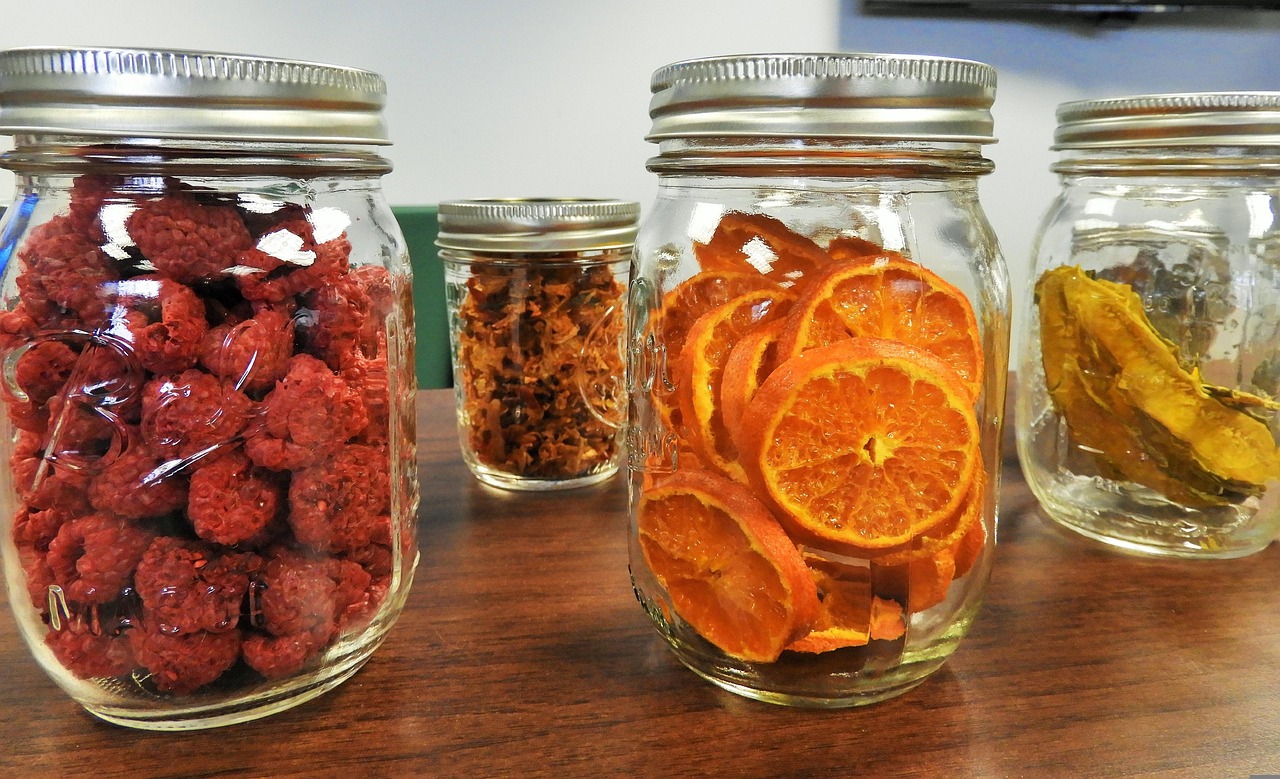
Investing in quality storage containers is one of the most impactful decisions you can make for pantry organization. Clear, airtight containers serve multiple purposes: they keep food fresher longer, prevent pest infestations, create visual uniformity, and make it easy to see when supplies are running low.
Opt for square or rectangular containers rather than round ones, as they utilize space more efficiently and minimize wasted gaps. Stackable designs multiply your vertical storage capacity, especially valuable in smaller pantries.
Essential Container Types for Every Pantry
- Large airtight containers (3-5 liters): Perfect for flour, sugar, rice, pasta, and cereal
- Medium containers (1-2 liters): Ideal for nuts, dried fruits, oats, and baking supplies
- Small containers (250-500ml): Great for spices, seeds, and specialty ingredients
- Lazy Susans: Excellent for oils, vinegars, and condiments that otherwise get lost in corners
- Can organizers: Keep canned goods visible and accessible with tiered or rolling systems
- Basket bins: Corral snack packages, tea bags, and other irregularly shaped items
Label everything clearly with both the contents and expiration date. A label maker creates professional-looking labels, but masking tape and a permanent marker work perfectly well. Consistent labeling eliminates guesswork and helps family members maintain your organizational system.
🎯 Implement a Strategic Categorization System
Group similar items together to create logical zones within your pantry. This approach mimics how grocery stores organize products and makes intuitive sense when you’re cooking or making shopping lists.
Designate specific areas for baking supplies, breakfast items, canned goods, snacks, pasta and grains, oils and vinegars, and spices. Within each category, further organize by frequency of use, placing everyday items at eye level and occasional-use products on higher or lower shelves.
The Power of the First-In, First-Out Method
Adopting the FIFO (First-In, First-Out) principle dramatically reduces food waste. When you purchase new items, place them behind existing stock so older products get used first. This commercial kitchen practice prevents items from languishing at the back of shelves until they expire.
Create a “use first” section near the front of your pantry for items approaching their expiration dates. This visual reminder encourages you to incorporate these ingredients into upcoming meals rather than letting them go to waste.
📱 Leverage Technology for Inventory Management
Digital tools can transform pantry management from a guessing game into a precise system. Pantry inventory apps let you track what you have, monitor expiration dates, generate shopping lists, and even suggest recipes based on available ingredients.
These applications help prevent duplicate purchases and ensure you always know what’s in stock before heading to the grocery store. Many feature barcode scanning capabilities that make adding items quick and effortless.
Beyond dedicated pantry apps, your smartphone’s notes or reminders applications can serve as simple inventory tracking tools. Create categorized lists that you update after shopping trips or when you use the last of an item.
🔄 Maximize Vertical Space with Smart Solutions
Most pantries have significant untapped vertical potential. The empty space between shelves represents valuable storage real estate that simple additions can activate.
Install shelf risers to create two tiers where you previously had one, effectively doubling your storage capacity for canned goods, jars, and small containers. Under-shelf baskets hang from existing shelves to hold lightweight items like seasoning packets, tea, or snack bars.
Door-mounted organizers are pantry game-changers, providing homes for spices, condiments, wraps, and bags that otherwise clutter shelf space. Adjustable door racks accommodate bottles of various heights and keep frequently used items within arm’s reach.
Vertical Storage Innovation Ideas
- Stackable wire baskets: Create pull-out drawer functionality on existing shelves
- Magazine holders: Store packaged goods like instant noodles, pouches, and boxed mixes vertically
- Tension rods: Install horizontally to create dividers for baking sheets, cutting boards, or to secure items
- Hanging baskets: Suspend from upper shelves to hold produce like onions, garlic, and potatoes
- Pegboard walls: Customize with hooks and small containers for an adaptable storage solution
🥫 Smart Strategies for Specific Food Categories
Different food types require tailored storage approaches to maintain freshness and accessibility. Understanding these specific needs helps you design a pantry that preserves food quality while maximizing space efficiency.
Baking Essentials Organization
Keep flour, sugar, baking soda, baking powder, and other baking staples in a dedicated zone with measuring cups stored nearby. Decant these ingredients into labeled containers to prevent pantry moths and moisture damage. Store chocolate chips, nuts, and dried fruits in smaller containers within the same area for convenient access when baking inspiration strikes.
Spice Storage Solutions
Spice organization merits special attention since these small containers easily become chaotic. Alphabetical arrangement works well for extensive collections, while grouping by cuisine type (Italian, Asian, Mexican) suits cooking styles that favor certain flavor profiles.
Tiered spice racks, drawer inserts, or magnetic containers on metal boards keep spices visible and accessible. Discard ground spices after one year and whole spices after two years, as they lose potency over time even when properly stored.
Snack Zone Management
Designate a specific shelf or section as a family snack station where everyone can independently grab appropriate portions. Use individual bins or baskets for different snack types, and consider portion-controlling snacks into reusable containers to prevent mindless eating and extend product life.
♻️ Minimize Food Waste with Intentional Systems
Food waste represents both financial loss and environmental impact. Americans waste approximately 30-40% of the food supply, much of which occurs in home kitchens due to forgotten ingredients and poor storage practices.
Transparency is your greatest weapon against waste. When you can see everything you own at a glance, nothing gets forgotten and expires unseen. This visibility is why clear containers and organized zones make such dramatic differences in consumption patterns.
| Food Category | Average Shelf Life | Waste Prevention Tip |
|---|---|---|
| Flour (all-purpose) | 6-8 months | Store in airtight container; freeze for longer life |
| Dried pasta | 1-2 years | Keep dry; clear containers show inventory levels |
| Canned goods | 1-5 years | Rotate stock; use FIFO method consistently |
| Nuts | 3-6 months | Refrigerate or freeze; airtight storage essential |
| Spices (ground) | 1 year | Date when opened; test potency by smell |
Create a weekly routine of checking your pantry for items nearing expiration. Incorporate these ingredients into your meal plan for the coming days. This proactive approach prevents last-minute discoveries of spoiled food and encourages creative cooking with what you already own.
🍽️ Link Your Pantry to Meal Planning
An organized pantry naturally supports more effective meal planning. When you know exactly what ingredients you have available, creating weekly meal plans becomes straightforward rather than stressful.
Keep a running shopping list in your pantry—either paper-based or digital—where family members can note items as they run out. This system prevents emergency shopping trips and ensures you always have essential ingredients on hand.
Plan meals around pantry staples supplemented with fresh ingredients. This approach reduces grocery costs, minimizes shopping frequency, and ensures your pantry items actually get used rather than accumulating indefinitely.
🧹 Maintain Your System with Simple Routines
Even the most brilliantly organized pantry requires ongoing maintenance. Without consistent effort, entropy gradually returns items to chaos. The good news is that maintenance takes far less time than the initial organization when you establish simple routines.
Implement a quick weekly check where you straighten containers, wipe down any spills, and verify that items are in their designated zones. This five-minute investment prevents minor disorder from escalating into overwhelming mess.
Monthly Deep Pantry Maintenance
Once monthly, conduct a more thorough pantry audit. Remove items from one section at a time, wipe down shelves, check expiration dates, and reorganize as needed. This routine keeps your system fresh and allows you to adjust organization methods that aren’t working effectively.
Involve family members in maintaining the pantry organization. When everyone understands the system and contributes to its upkeep, consistency becomes much easier to achieve. Create a simple visual guide showing where different categories belong if helpful.
💡 Creative Solutions for Challenging Pantry Spaces
Not all pantries are created equal. Many homes feature awkward cabinet depths, limited shelf space, or pantry-free kitchens that require creative adaptation of general principles.
Small Kitchen Pantry Solutions
When working with minimal space, ruthlessly prioritize frequently used items and consider alternative storage for occasional-use products. Utilize every surface including cabinet doors, walls, and even the sides of refrigerators with magnetic or adhesive storage solutions.
Slim rolling carts can tuck into narrow gaps beside refrigerators or between cabinets, providing surprising storage capacity for spices, oils, or canned goods. These mobile solutions also offer flexibility to bring supplies directly to your cooking area.
Deep Cabinet Challenges
Deep cabinets create visibility problems where items disappear into dark corners. Pull-out drawers or sliding organizers solve this issue by bringing contents to you rather than requiring you to dig through layers of products.
Turntables work exceptionally well in deep cabinets, especially for corner spaces. Multiple smaller turntables often function better than one large one, as they allow category separation while maintaining accessibility.
🌟 Transform Your Kitchen Experience Through Pantry Excellence
A thoughtfully organized pantry extends its benefits far beyond the storage space itself. You’ll notice reduced grocery bills as duplicate purchases disappear and food waste diminishes. Meal preparation becomes faster and more enjoyable when you can quickly locate needed ingredients without frustration.
The mental clarity that comes from an organized pantry shouldn’t be underestimated. Visual clutter creates cognitive load, while organized spaces promote calm and efficiency. Your kitchen transforms into a space you genuinely enjoy spending time in rather than a source of stress.
Start with small, manageable steps rather than attempting to overhaul your entire pantry in one exhausting session. Tackle one category or shelf at a time, implementing systems gradually. This approach prevents overwhelm and allows you to test what works best for your specific needs and cooking style.
Remember that pantry organization is personal—what works brilliantly for one household may not suit another. Adapt these principles to your family’s eating patterns, available space, and lifestyle realities. The best organizational system is one you’ll actually maintain consistently over time.
Smart pantry organization represents an investment in your daily quality of life. The time you spend creating and maintaining these systems pays dividends through reduced stress, healthier eating habits, financial savings, and the simple pleasure of a beautiful, functional space. Your kitchen deserves to work as hard as you do, and a well-organized pantry is the foundation that makes everything else possible. ✨