Navigating the grocery store on a gluten-free diet doesn’t have to be overwhelming or time-consuming. With the right checklist and knowledge, you can transform your shopping experience into an efficient, enjoyable routine that supports your health goals.

Whether you’re newly diagnosed with celiac disease, dealing with gluten sensitivity, or simply choosing a gluten-free lifestyle for wellness reasons, having a comprehensive shopping guide is your secret weapon. This ultimate checklist will empower you to fill your cart with safe, nutritious, and delicious gluten-free options while avoiding hidden sources of gluten that could compromise your health.
🛒 Understanding Gluten-Free Shopping Basics
Before diving into your shopping list, it’s essential to understand what “gluten-free” really means. Gluten is a protein found in wheat, barley, rye, and their derivatives. For those with celiac disease or gluten sensitivity, even trace amounts can trigger uncomfortable symptoms or intestinal damage.
The FDA requires products labeled “gluten-free” to contain less than 20 parts per million of gluten, which is considered safe for most people with celiac disease. However, cross-contamination during manufacturing remains a concern, making it crucial to read labels carefully and choose certified gluten-free products when possible.
🥗 Fresh Produce: Your Naturally Gluten-Free Foundation
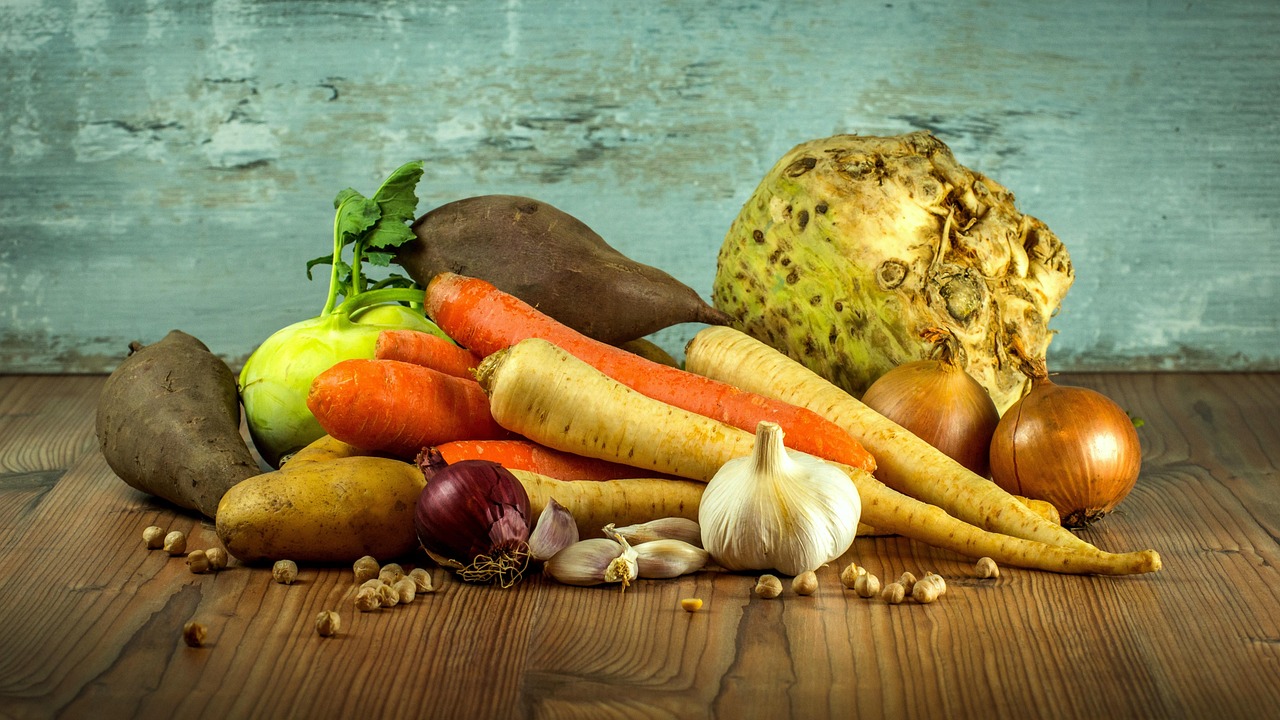
The produce section should be your first stop on any gluten-free shopping trip. Fresh fruits and vegetables are naturally gluten-free and provide essential vitamins, minerals, and fiber that support overall health.
Vegetables to Stock Up On
- Leafy greens like spinach, kale, and romaine lettuce
- Cruciferous vegetables including broccoli, cauliflower, and Brussels sprouts
- Root vegetables such as sweet potatoes, carrots, and beets
- Bell peppers, zucchini, and cucumbers
- Tomatoes, onions, and garlic for flavoring
- Mushrooms of all varieties
Fruits for Every Occasion
- Berries (strawberries, blueberries, raspberries, blackberries)
- Citrus fruits (oranges, lemons, limes, grapefruit)
- Apples, pears, and stone fruits
- Bananas for quick energy
- Tropical options like pineapple, mango, and papaya
- Avocados for healthy fats
Remember that pre-cut fruits and vegetables may carry a cross-contamination risk if prepared on shared equipment, so whole produce is generally the safer choice.
🍖 Protein Powerhouses: Building Blocks for Your Meals
Protein is essential for muscle maintenance, satiety, and overall health. Fortunately, many protein sources are naturally gluten-free, though you’ll need to watch for hidden gluten in processed meats and seasonings.
Fresh Meats and Poultry
Plain, unprocessed meats are always gluten-free. Stock up on chicken breasts, ground turkey, beef steaks, pork chops, and lamb. Avoid pre-marinated or seasoned options unless they’re clearly labeled gluten-free, as marinades often contain soy sauce or other gluten-containing ingredients.
Seafood Selections
Fish and shellfish are excellent gluten-free protein sources. Choose salmon, tuna, cod, shrimp, scallops, and other favorites. Fresh and frozen plain seafood is safe, but steer clear of breaded or battered options unless specifically marked gluten-free.
Eggs and Dairy
Eggs are a versatile, completely gluten-free protein source perfect for any meal. Plain dairy products like milk, butter, cheese, and plain yogurt are typically safe, though flavored varieties may contain gluten-based additives or thickeners.
🌾 Gluten-Free Grains and Starches: Beyond Wheat
One of the biggest misconceptions about gluten-free eating is that you must give up all grains. Many nutritious, delicious alternatives exist that add variety and essential nutrients to your diet.
Safe Gluten-Free Grains
- Rice (white, brown, wild, jasmine, basmati)
- Quinoa (technically a seed, but used as a grain)
- Certified gluten-free oats
- Millet and sorghum
- Amaranth and teff
- Buckwheat (despite the name, it’s gluten-free)
- Corn and cornmeal
Gluten-Free Flours for Baking
- Almond flour and almond meal
- Coconut flour
- Rice flour (white and brown)
- Tapioca flour/starch
- Potato starch and potato flour
- Chickpea flour
- Pre-mixed gluten-free flour blends
Always look for products labeled “certified gluten-free” to avoid cross-contamination during processing, which is particularly common with oats.
🥫 Pantry Staples: Building Your Gluten-Free Foundation
A well-stocked pantry makes meal preparation easier and ensures you always have safe options available. These shelf-stable items form the backbone of countless gluten-free recipes.
Canned and Jarred Goods
- Canned beans (black, kidney, chickpeas, cannellini)
- Canned tomatoes and tomato paste
- Coconut milk for cooking
- Nut butters (peanut, almond, cashew)
- Olives and capers
- Gluten-free broths and stocks
Oils and Vinegars
Most pure oils are naturally gluten-free, including olive oil, avocado oil, coconut oil, and vegetable oils. For vinegars, stick with distilled white vinegar, apple cider vinegar, wine vinegars, and rice vinegar. Malt vinegar contains gluten and should be avoided.
Condiments and Sauces
This category requires extra vigilance as many common condiments contain hidden gluten. Look for gluten-free versions of:
- Soy sauce (tamari is a gluten-free alternative)
- Worcestershire sauce
- Salad dressings
- Mustard and ketchup (most are naturally gluten-free)
- Mayonnaise
- Hot sauce and BBQ sauce
🍝 Gluten-Free Pasta and Bread Alternatives
The market for gluten-free pasta and bread has exploded in recent years, offering options that rival their traditional counterparts in taste and texture.
Pasta Options
Gluten-free pasta comes in various bases including rice, corn, quinoa, chickpea, and lentil. Each offers different nutritional profiles and textures. Chickpea and lentil pastas provide extra protein and fiber, while rice-based options tend to have a texture closer to traditional pasta.
Bread Products
Finding quality gluten-free bread can be challenging, but many excellent brands now exist. Look for options in the freezer section, as they often have better texture and fewer preservatives. Stock up on gluten-free sandwich bread, bagels, English muffins, and tortillas.
🍪 Snacks and Treats: Satisfying Your Cravings Safely
Following a gluten-free diet doesn’t mean sacrificing enjoyment. Plenty of delicious snack options exist that are both safe and satisfying.
Healthy Snack Ideas
- Fresh fruits with nut butter
- Vegetables with hummus or guacamole
- Rice cakes with toppings
- Gluten-free crackers and pretzels
- Nuts and seeds (almonds, cashews, sunflower seeds, pumpkin seeds)
- Popcorn (plain or lightly seasoned)
- Hard-boiled eggs
- Cheese sticks or cubes
- Gluten-free energy bars and protein bars
Sweet Treats
For those moments when you need something sweet, keep these gluten-free options on hand: dark chocolate (check labels), gluten-free cookies and brownies, ice cream (most are gluten-free), and gluten-free cake and muffin mixes for homemade treats.
🥛 Beverages: Quenching Your Thirst Safely
Most beverages are naturally gluten-free, but some require caution. Plain coffee, tea, and 100% fruit juices are always safe. Most sodas and soft drinks are gluten-free, though some specialty beverages may contain barley malt.
For alcoholic beverages, wine, most spirits, and hard ciders are typically gluten-free. Beer traditionally contains gluten, but many breweries now produce dedicated gluten-free beers. Plant-based milk alternatives like almond, coconut, oat (certified gluten-free), and rice milk are excellent dairy-free options.
📱 Shopping Tools and Apps to Simplify Your Experience
Technology can make gluten-free shopping significantly easier. Several apps help identify safe products, scan barcodes for gluten content, and locate gluten-free items in stores. These digital tools can provide instant information about ingredients and potential cross-contamination risks, taking the guesswork out of label reading.
🔍 Label Reading Mastery: Spotting Hidden Gluten
Becoming proficient at reading ingredient labels is crucial for successful gluten-free living. Gluten can hide under many names and in unexpected places.
Common Gluten-Containing Ingredients
- Wheat, wheat flour, wheat starch, wheat germ
- Barley, barley malt, malt flavoring, malt extract
- Rye and triticale
- Modified food starch (unless specified as corn or tapioca)
- Hydrolyzed vegetable protein
- Soy sauce (unless gluten-free)
- Seitan and fu (wheat gluten products)
Cross-Contamination Warnings
Pay attention to advisory statements like “manufactured in a facility that processes wheat” or “may contain wheat.” While these warnings are voluntary, they indicate potential cross-contamination risks that may be important depending on your sensitivity level.
💰 Budget-Friendly Gluten-Free Shopping Strategies
Gluten-free products often carry higher price tags, but smart shopping strategies can help you maintain a reasonable budget without compromising food quality or safety.
Focus on naturally gluten-free whole foods rather than processed gluten-free alternatives. Buying in bulk when items are on sale, choosing store brands over name brands, and preparing meals from scratch rather than purchasing pre-made options all help reduce costs.
Consider shopping at multiple stores to take advantage of different sales and selection. Some warehouse stores offer excellent prices on gluten-free staples, while specialty health food stores may have better variety and knowledgeable staff.
🗓️ Meal Planning: Maximizing Your Gluten-Free Grocery Haul
Strategic meal planning ensures you purchase only what you need while maintaining variety and nutrition throughout the week. Before shopping, review your schedule to determine how many meals you’ll prepare at home and plan accordingly.
Create a rotating menu of favorite gluten-free meals to simplify decision-making and ensure you always have necessary ingredients on hand. Theme nights like Taco Tuesday or Stir-Fry Friday can add structure while keeping meals interesting.
🌟 Special Considerations for Different Dietary Needs
Many people following gluten-free diets have additional dietary restrictions or preferences. Fortunately, the growing awareness of food sensitivities means more options exist for combined dietary needs.
If you’re also dairy-free, focus on plant-based milk alternatives, dairy-free cheeses, and coconut yogurt. For those following a vegan gluten-free diet, emphasize legumes, nuts, seeds, and gluten-free grains for protein. Paleo-gluten-free eaters will focus on vegetables, fruits, meats, and nut-based products while avoiding grains and legumes.
✨ Building Your Personalized Gluten-Free Shopping Routine
Creating a consistent shopping routine reduces stress and ensures you never run out of essential items. Designate a specific day each week for grocery shopping, and keep a running list on your phone or refrigerator where family members can add items as needed.
Organize your shopping list by store sections to minimize backtracking and save time. Group produce items together, followed by proteins, dairy, frozen foods, and pantry staples. This systematic approach makes shopping more efficient and reduces the likelihood of forgetting important items.
As you become more familiar with safe brands and products, shopping becomes increasingly intuitive. Many people find that after a few months of gluten-free living, navigating the grocery store feels completely natural and requires significantly less mental energy than in the beginning.
Remember that everyone’s gluten-free journey is unique. What works for one person may not work for another, so feel free to adapt this checklist to your specific needs, preferences, and budget. The key is finding a sustainable approach that supports your health while bringing joy and satisfaction to your meals. With preparation, knowledge, and the right resources, gluten-free shopping can become a simple, stress-free part of your weekly routine that empowers you to live your healthiest, happiest life. 🌈