Living a gluten-free lifestyle goes far beyond selecting the right foods at the grocery store. For individuals with celiac disease, gluten sensitivity, or wheat allergies, even the smallest trace of gluten contamination can trigger serious health consequences.

Creating and maintaining a truly safe, gluten-free environment requires meticulous attention to cleaning protocols and cross-contamination prevention. Whether you’re newly diagnosed or helping a family member navigate gluten-free living, understanding how to properly sanitize your space is essential for health, peace of mind, and overall wellbeing. This comprehensive cleaning checklist will empower you to transform any living space into a genuinely safe haven, free from hidden gluten dangers that lurk in unexpected places.
🏠 Understanding Why Deep Cleaning Matters for Gluten-Free Living
Gluten proteins are remarkably resilient and sticky, clinging to surfaces, fabrics, and kitchen tools long after initial contact. Unlike bacteria that can be killed with heat or disinfectants, gluten particles must be physically removed through thorough cleaning. Even microscopic amounts—as little as 20 parts per million—can cause adverse reactions in sensitive individuals.
Traditional cleaning methods that work for general household maintenance often fall short when eliminating gluten contamination. Flour particles become airborne and settle on countertops, appliances, and even ceiling fans. Wooden cutting boards absorb gluten proteins into their porous surfaces. Toasters become gluten distribution devices, spreading crumbs across supposedly safe bread slices.
The stakes are particularly high for those with celiac disease, an autoimmune condition affecting approximately 1% of the global population. Continued gluten exposure triggers intestinal damage, nutrient malabsorption, and increases risks for serious complications including osteoporosis, infertility, and certain cancers. For these individuals, a comprehensive cleaning strategy isn’t optional—it’s medical necessity.
🧹 Essential Cleaning Supplies for Your Gluten-Free Arsenal
Before embarking on your gluten-free cleaning journey, assembling the right tools makes the process more effective and efficient. Not all cleaning products are created equal when your goal is complete gluten elimination rather than simple sanitization.
Start with dedicated cleaning cloths and sponges designated exclusively for gluten-free areas. Color-coding helps prevent accidental cross-contamination—perhaps blue for gluten-free zones and red for mixed-use areas. Microfiber cloths excel at trapping particles rather than spreading them around surfaces.
Invest in a HEPA-filter vacuum cleaner capable of capturing fine flour particles that standard vacuums might recirculate into the air. This becomes particularly important if you’re maintaining a partially gluten-free household where some family members continue consuming gluten-containing products.
Recommended Cleaning Product Categories
- All-purpose cleaners: Choose fragrance-free options to avoid masking gluten odors that might indicate contamination
- Dish soap: Any brand works, but dedicated bottles prevent sponge cross-contamination
- Disinfecting wipes: Convenient for quick daily maintenance of high-touch surfaces
- White vinegar: Natural, effective, and excellent for cutting through sticky gluten residue
- Baking soda: Gentle abrasive for scrubbing without damaging surfaces
- Steam cleaner: Optional but valuable for deep-cleaning porous surfaces
🍳 Kitchen Deep-Clean: The Heart of Gluten-Free Safety
The kitchen represents ground zero for gluten contamination risks. This space requires the most rigorous attention and systematic approach to ensure every surface, appliance, and utensil meets gluten-free safety standards.
Countertops and Food Preparation Surfaces
Begin by clearing all items from countertops completely. Wipe down surfaces with hot, soapy water, paying special attention to grout lines, backsplash seams, and the junction where counters meet walls—favorite hiding spots for rogue flour particles. Follow with a vinegar solution or commercial cleaner, then dry thoroughly with clean microfiber cloths.
For porous surfaces like butcher block or unsealed stone, consider whether they can truly be made gluten-free. If previously used for rolling out pie dough or kneading bread, these surfaces may harbor gluten deep within their structure. In such cases, replacement or designation as gluten-only work surfaces may be necessary.
Appliances That Require Special Attention ⚡
Certain kitchen appliances present unique challenges for gluten-free living. Toasters top this list—most experts recommend purchasing a new, dedicated gluten-free toaster rather than attempting to clean a contaminated one. The intricate interior mechanisms make complete gluten removal virtually impossible.
Ovens require thorough cleaning, including racks, heating elements, and the often-neglected space between the door glass panels where crumbs accumulate. Run a self-cleaning cycle if available, then wipe down all surfaces afterward. For convection ovens, remember that fans circulate air that may have contacted gluten-containing foods.
Microwaves need attention to the ceiling, turntable, and door seals where splatters accumulate. Remove and wash the turntable plate separately, and wipe down the interior with a damp cloth after heating a bowl of vinegar-water solution to loosen stuck-on residue.
Dishwashers generally do an excellent job removing gluten from dishes, but periodically clean the filter trap and wipe down door seals where food particles collect. Run an empty hot cycle with vinegar to freshen and cleanse the interior.
Cookware and Kitchen Tools Evaluation
Not all kitchen equipment can successfully transition to gluten-free use. Wooden spoons, cutting boards, and rolling pins with scratches or grooves should be replaced or retired from gluten-free service. These porous items absorb and retain gluten proteins that washing cannot fully eliminate.
Cast iron skillets present a controversial topic in gluten-free communities. If previously used for gluten-containing foods, the seasoned coating likely contains gluten particles. Most experts recommend either replacing these pans or stripping and re-seasoning them completely—a labor-intensive process.
Colanders and strainers used for pasta require careful inspection. Check every hole and crevice for stuck noodle fragments. Consider purchasing dedicated gluten-free versions, especially for frequently used items.
| Item Type | Can Be Cleaned? | Recommendation |
|---|---|---|
| Stainless steel pots/pans | ✅ Yes | Wash thoroughly with hot, soapy water |
| Non-stick cookware (scratched) | ⚠️ Questionable | Replace if heavily scratched |
| Wooden utensils | ❌ No | Replace with new gluten-free designated items |
| Plastic cutting boards (deep grooves) | ❌ No | Replace with smooth, non-porous options |
| Glass/ceramic bakeware | ✅ Yes | Scrub thoroughly, inspect for residue |
🛋️ Beyond the Kitchen: Whole-Home Gluten Removal Strategies
While kitchens demand the most intensive cleaning efforts, gluten contamination extends throughout living spaces, especially in households with children or mixed gluten-consuming and gluten-free members.
Living Rooms and Common Areas
Upholstered furniture traps crumbs in cushion crevices and fabric weaves. Vacuum thoroughly using your HEPA-filter machine, removing cushions to access hidden areas. For removable covers, launder according to care instructions. Consider using furniture covers during snack time if gluten-containing crackers or cookies are consumed in these spaces.
Remote controls, game controllers, and other frequently handled items accumulate surprising amounts of food residue. Wipe these with disinfecting wipes or slightly damp cloths, paying attention to buttons and seams where crumbs lodge.
Carpets and rugs require regular vacuuming with particular attention after any incident involving gluten-containing foods. For severe contamination events, professional steam cleaning may be warranted.
Bedrooms and Personal Spaces 🛏️
Bedrooms might seem safe from gluten exposure, but consider common scenarios: eating breakfast in bed, children’s bedtime snacks, or reading while munching crackers. Wash bedding regularly in hot water, and vacuum mattresses periodically to remove accumulated dust and food particles.
Nightstands and bedside tables should be wiped down, especially if food or drinks are regularly consumed nearby. Check behind furniture where dropped food items might hide unnoticed for extended periods.
Bathrooms: Unexpected Gluten Hiding Places
Bathrooms harbor less obvious but important gluten sources. Many personal care products contain gluten-derived ingredients—shampoos, lotions, cosmetics, and toothpastes. While topical gluten doesn’t typically cause issues for celiac disease, products used near the mouth pose ingestion risks.
Wipe down counters, cabinet surfaces, and door handles regularly. If gluten-containing beauty products are used in the household, designate separate storage areas and application zones to minimize cross-contamination risks.
📱 Tracking Your Gluten-Free Cleaning Routine
Maintaining a consistently clean, gluten-free environment requires organization and accountability. Creating systems to track cleaning tasks ensures nothing falls through the cracks and helps identify areas needing extra attention.
Consider using a dedicated home management or checklist application to schedule and monitor cleaning activities. Setting reminders for weekly, monthly, and seasonal deep-cleaning tasks transforms overwhelming responsibilities into manageable routines. Some people find success with habit-tracking apps that provide visual progress indicators and achievement rewards.
Digital tools also facilitate coordination in households with multiple people sharing cleaning responsibilities. Assign specific tasks, set completion deadlines, and mark items complete to ensure everyone understands their role in maintaining a safe gluten-free environment.
🍽️ Establishing Gluten-Free Zones and Protocols
For mixed households where some members consume gluten while others require gluten-free diets, creating clearly defined zones and protocols minimizes contamination risks while maintaining household harmony.
Dedicated Gluten-Free Storage Areas
Designate specific pantry shelves, refrigerator sections, and freezer spaces exclusively for gluten-free items. Use higher shelves to prevent crumb fallout from gluten-containing foods stored above. Label these zones clearly with signs, colored tape, or bin systems that make boundaries visually obvious to all household members and guests.
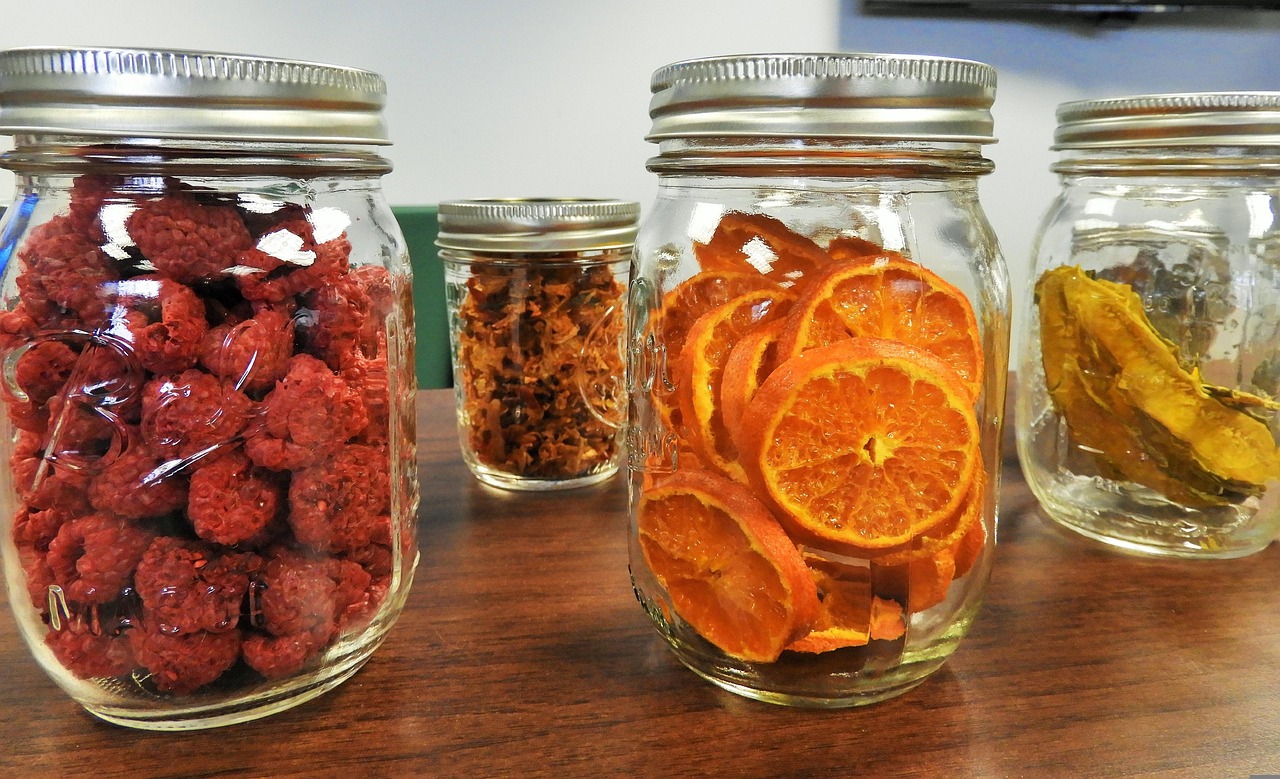
Consider using sealed containers for all gluten-free items, providing an additional barrier against airborne flour particles and accidental contamination. Glass or hard plastic containers with locking lids work better than bags, which can be accidentally opened or torn.
Meal Preparation Best Practices
When preparing mixed meals containing both gluten and gluten-free components, always prepare gluten-free items first, before any gluten-containing ingredients are opened or handled. This simple sequencing dramatically reduces cross-contamination risks.
Use separate preparation tools throughout the cooking process—different cutting boards, knives, mixing bowls, and serving utensils. Color-coding these items helps prevent mix-ups during busy meal preparation times.
Clean and sanitize all shared surfaces between preparing gluten-containing and gluten-free foods. A quick wipe-down might seem sufficient, but thorough washing prevents the microscopic gluten transfer that can trigger reactions.
🧼 Daily, Weekly, and Monthly Cleaning Schedules
Organizing gluten-free cleaning into manageable schedules prevents both overwhelm and complacency. Breaking tasks into daily maintenance, weekly deep-cleaning, and monthly intensive protocols creates sustainable habits.
Daily Maintenance Checklist
- Wipe down kitchen counters and food prep areas after each use
- Wash dishes immediately or load into dishwasher
- Sweep or vacuum kitchen floors to remove dropped food
- Wipe dining table and chairs after meals
- Check high chairs and booster seats for trapped crumbs
- Empty trash containing food waste
Weekly Deep-Cleaning Tasks
- Thoroughly vacuum all floors, including under furniture
- Mop kitchen and dining area floors
- Clean inside microwave, toaster oven, and other small appliances
- Wipe cabinet fronts and drawer handles
- Clean refrigerator shelves and door bins
- Wash dish towels, sponges, and cleaning cloths
- Vacuum upholstered furniture
- Wipe down high-touch surfaces throughout the home
Monthly Intensive Cleaning Projects
- Deep clean oven interior and racks
- Clean range hood filters and exterior
- Organize and clean pantry shelves, checking for spills
- Deep clean refrigerator, including coils and drainage pan
- Wash or vacuum curtains and blinds
- Clean light fixtures and ceiling fans
- Vacuum or wash area rugs
- Deep clean dishwasher filter and seals
👨👩👧👦 Teaching Family Members About Gluten-Free Protocols
The most meticulous cleaning system fails if household members don’t understand and follow gluten-free safety principles. Education and communication transform cleaning from a solo burden into a collaborative family commitment.
For children, age-appropriate explanations help them grasp why these precautions matter. Younger kids respond to simple rules—”We always wash hands after touching regular bread”—while older children can understand the health consequences and take ownership of specific tasks.
Create visual reminders in key areas: signs showing proper handwashing techniques near sinks, labels identifying gluten-free zones, and pictures demonstrating correct cleaning procedures. These serve as gentle prompts for both family members and visitors.
Regular family meetings provide opportunities to discuss challenges, celebrate successes, and adjust protocols as needed. When everyone feels heard and involved, compliance improves naturally.
✨ Maintaining Long-Term Success in Your Gluten-Free Space
Creating an initially clean gluten-free environment represents just the beginning. Sustained success requires vigilance, flexibility, and periodic reassessment of your systems and protocols.
Schedule quarterly reviews of your entire gluten-free setup. Are your protocols working effectively? Have new contamination sources emerged? Do certain areas require more frequent attention than others? These check-ins prevent gradual degradation of standards and catch developing problems early.
Stay informed about emerging research on gluten cross-contamination and new cleaning technologies or products that might enhance your safety protocols. The gluten-free community continually develops improved strategies based on scientific evidence and collective experience.
Remember that perfection isn’t the goal—consistent diligence is. Occasional mistakes happen in even the most careful households. When contamination occurs, clean thoroughly, adjust protocols to prevent recurrence, and move forward without guilt or blame.

🌟 Embracing Your Allergen-Free Lifestyle with Confidence
Transforming your living space into a truly safe, gluten-free environment empowers you to focus on health, happiness, and the positive aspects of your dietary journey rather than constantly worrying about hidden contamination sources.
The comprehensive cleaning protocols outlined in this checklist might initially seem overwhelming, but they quickly become second nature through consistent practice. Each thoroughly cleaned surface, each replaced contaminated utensil, and each established safety zone builds toward a foundation of security and wellbeing.
Your efforts extend beyond personal health benefits. By creating and maintaining a safe gluten-free space, you’re also building an environment where friends and family members with similar dietary needs can visit comfortably. You’re developing expertise that you can share with newly diagnosed individuals navigating their own gluten-free transitions.
Living gluten-free doesn’t mean living in fear or isolation. With proper cleaning protocols, clear household systems, and educated family members supporting your efforts, you can enjoy a vibrant, healthy, allergen-free lifestyle where food brings nourishment and joy rather than anxiety and illness. Your dedication to maintaining a meticulously clean, safe environment represents an investment in long-term health that pays dividends every single day.