Cross-contamination is one of the most significant yet preventable risks in any kitchen, whether at home or in professional food service environments. Understanding how bacteria, allergens, and pathogens spread between surfaces, utensils, and foods can dramatically reduce your risk of foodborne illness.

Every year, millions of people suffer from food poisoning that could have been easily prevented with proper kitchen hygiene practices. The good news? With the right knowledge and consistent habits, you can create a safer cooking environment for yourself and your loved ones. This comprehensive checklist will guide you through every essential aspect of preventing cross-contamination in your kitchen.
🧼 Understanding Cross-Contamination: The Invisible Kitchen Danger
Cross-contamination occurs when harmful bacteria or allergens transfer from one surface, food, or object to another. This invisible threat doesn’t change how food looks, smells, or tastes, making it particularly dangerous. The most common culprits include raw meat, poultry, seafood, and eggs, but vegetables grown in contaminated soil can also pose risks.
There are three primary types of cross-contamination you need to watch for: food-to-food, equipment-to-food, and people-to-food. Each presents unique challenges and requires specific prevention strategies. Raw chicken juice dripping onto fresh salad ingredients is a classic example of food-to-food contamination, while using the same cutting board for raw meat and vegetables without proper cleaning demonstrates equipment-to-food contamination.
🔪 Separating Foods: The First Line of Defense
Creating physical barriers between different food types is your most fundamental protection strategy. This separation should begin the moment you bring groceries into your home and continue through storage, preparation, and cooking.
Strategic Refrigerator Organization
Your refrigerator arrangement plays a crucial role in preventing cross-contamination. Raw meats should always occupy the lowest shelf, preventing any potential drips from contaminating ready-to-eat foods below. Store raw poultry, meat, and seafood in sealed containers or wrapped securely in plastic bags. This double-layer protection minimizes leak risks significantly.
Designate specific drawers for different food categories. Use one crisper drawer exclusively for fruits and vegetables, keeping them far from raw animal products. Store dairy products, eggs, and prepared foods on upper shelves where they’re protected from dripping contaminants.
Shopping Cart Strategy
Cross-contamination prevention actually begins at the grocery store. Place raw meats, poultry, and seafood in separate plastic bags before putting them in your cart. Keep these items separated from produce, bread, and other ready-to-eat foods throughout your shopping trip. This simple habit prevents raw meat juices from contaminating other groceries during transport.
🧽 Cutting Board Color-Coding System
Professional kitchens have long used color-coded cutting boards to prevent cross-contamination, and this system works brilliantly in home kitchens too. Assign specific colored boards for different food categories and never deviate from this system.
A recommended color scheme includes: red for raw meat, yellow for raw poultry, blue for raw seafood, green for fruits and vegetables, and white for dairy and bread products. This visual system eliminates guesswork and creates automatic safety habits. If purchasing multiple colored boards isn’t feasible, maintain at minimum two separate boards: one exclusively for raw animal products and another for ready-to-eat foods.
Material matters as well. Plastic cutting boards can go through the dishwasher for thorough sanitization, while wooden boards require more careful hand-washing and should be reserved for plant-based foods only. Replace any cutting board showing deep grooves or cuts, as these crevices harbor bacteria that regular cleaning cannot reach.
🍳 Utensil and Equipment Hygiene
Cross-contamination through kitchen tools happens more frequently than most people realize. Every utensil that touches raw food becomes a potential contamination vehicle until properly cleaned.
The One-Touch Rule for Raw Foods
Never reuse utensils that have contacted raw meat, poultry, or seafood without thorough washing first. This includes tongs, forks, spatulas, knives, and even the plates used to carry raw foods to the grill or stove. Many home cooks make the critical mistake of placing cooked meat back on the same plate that held it raw—this practice can reintrodinate dangerous bacteria to fully cooked food.
Keep separate sets of measuring cups and spoons for different tasks. If you’ve measured raw marinade ingredients, those measuring tools need washing before measuring anything else. This vigilance might seem excessive, but it creates an impenetrable safety barrier.
Dish Sponge and Towel Management
Your kitchen sponge might be the dirtiest item in your entire home. Studies show that kitchen sponges harbor more bacteria than toilet seats. Replace sponges weekly, or sanitize them daily by microwaving damp sponges for two minutes or running them through the dishwasher.
Better yet, transition to disposable paper towels for cleaning surfaces that contacted raw foods. If using cloth towels, launder them in hot water after any contact with raw animal products. Maintain separate towels for hands, dishes, and surface cleaning, washing them all frequently.
🌡️ Temperature Control: The Critical Safety Zone
Proper temperature management kills harmful bacteria and prevents their growth. Understanding the “danger zone” between 40°F and 140°F (4°C to 60°C) is essential—bacteria multiply rapidly within this temperature range.
Internal Temperature Guidelines
Invest in a reliable digital food thermometer and use it consistently. Visual cues alone cannot confirm food safety. Ground meats require cooking to 160°F (71°C), whole cuts of beef, pork, and lamb need 145°F (63°C) followed by a three-minute rest, and poultry must reach 165°F (74°C). Fish should be cooked to 145°F (63°C) or until flesh is opaque and separates easily.
Insert thermometers into the thickest part of the meat, avoiding bone, fat, or gristle, as these conduct heat differently than muscle tissue. Clean and sanitize your thermometer between uses, especially when checking different foods or moving from raw to cooked items.
Safe Thawing Practices
Never thaw frozen foods on the kitchen counter. The outer layers reach dangerous temperatures while the interior remains frozen, creating perfect bacterial breeding conditions. Safe thawing methods include refrigerator thawing (plan ahead—this takes time), cold water thawing (change water every 30 minutes), or microwave thawing (cook immediately afterward).
🚿 Hand Washing: Your Most Powerful Tool
Proper hand hygiene eliminates the people-to-food contamination pathway. Your hands touch countless surfaces throughout meal preparation, picking up bacteria and transferring them to everything you subsequently handle.
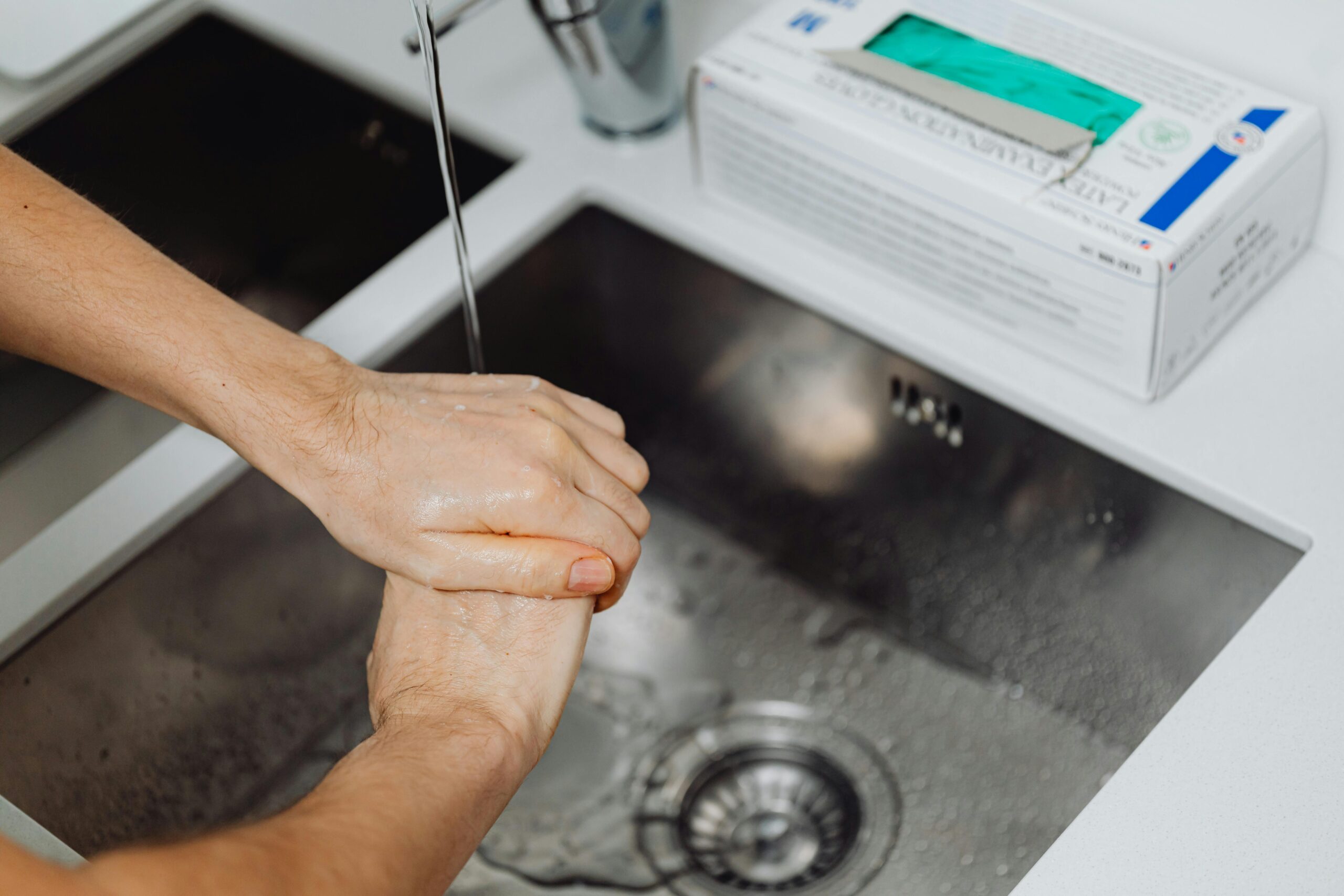
Wash hands with soap and warm water for at least 20 seconds before cooking, after handling raw animal products, after touching garbage, after using the restroom, after coughing or sneezing, and after touching pets or pet food. Scrub between fingers, under nails, and up to your wrists. Rinse thoroughly and dry with clean towels or paper towels.
Hand sanitizer doesn’t replace proper washing in kitchen settings. While useful when soap and water aren’t available, sanitizer cannot remove certain types of bacteria and doesn’t eliminate food residue that harbors pathogens.
🧴 Effective Surface Sanitization
Every surface that contacts food requires regular cleaning and periodic sanitization. Cleaning removes visible dirt and food particles, while sanitizing reduces bacteria to safe levels.
Daily Cleaning Protocol
Immediately after preparing raw meat, poultry, or seafood, clean all contacted surfaces with hot, soapy water. Countertops, cutting boards, sink areas, and even refrigerator handles need attention. After washing, apply a food-safe sanitizing solution—either commercial sanitizer following label directions or a homemade solution of one tablespoon unscented liquid chlorine bleach per gallon of water.
Allow sanitizing solutions to sit on surfaces for the recommended contact time (usually 30-60 seconds) before wiping or air-drying. This contact time is crucial for effectiveness; wiping immediately reduces sanitizing power significantly.
Overlooked Contamination Hotspots
Certain kitchen areas accumulate bacteria but rarely receive proper attention. Can openers, refrigerator handles, stove knobs, faucet handles, phone screens, and cabinet pulls all transfer bacteria between food preparation tasks. Wipe these high-touch surfaces daily with sanitizing solution, and always after hands contaminated with raw foods have touched them.
🥗 Special Considerations for Fresh Produce
While we often focus on meat safety, fresh fruits and vegetables also pose cross-contamination risks. Produce can carry bacteria from soil, water, or handling during harvest, transport, and retail display.
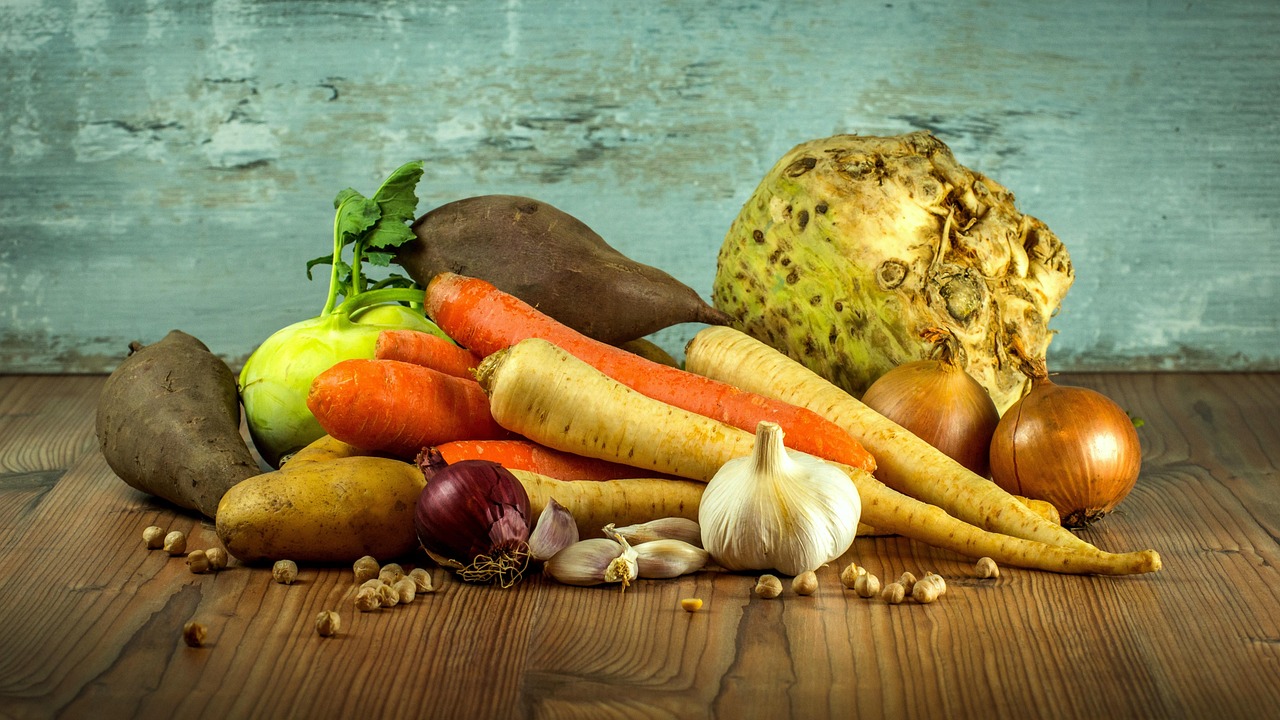
Rinse all fresh produce under running water before cutting, cooking, or eating—even items you plan to peel. Bacteria on outer skins transfer to edible portions when knives cut through. Use a clean produce brush for firm fruits and vegetables like melons, cucumbers, and potatoes. Dry produce with clean paper towels or cloth towels designated for this purpose.
Pre-washed, packaged salad greens generally don’t need additional washing unless the package is damaged or you prefer the extra precaution. Store washed produce separately from unwashed items to prevent re-contamination.
📋 Allergen Cross-Contact Prevention
For households managing food allergies, cross-contact (allergen cross-contamination) can trigger serious reactions. Even microscopic amounts of allergens can cause symptoms in sensitive individuals.
Designate allergen-free zones in your kitchen with dedicated utensils, cutting boards, and preparation surfaces. Store allergen-free foods on upper shelves, above foods containing allergens. Always prepare allergen-free meals first, before cooking foods containing common allergens like peanuts, tree nuts, milk, eggs, wheat, soy, fish, and shellfish.
Read all ingredient labels carefully, as manufacturing facilities often process multiple products, leading to potential allergen cross-contact during production. Clean all surfaces and utensils thoroughly between preparing allergen-containing and allergen-free foods.
🗑️ Proper Food Storage and Leftover Management
Cross-contamination risks don’t end when cooking finishes. Proper storage of leftovers and management of food waste prevent bacterial growth and contamination of other foods.
Refrigerate leftovers within two hours of cooking (one hour if room temperature exceeds 90°F). Divide large quantities into shallow containers for faster cooling. Label containers with contents and dates, using oldest items first. Consume refrigerated leftovers within three to four days.
Never return cooked food to containers that held raw versions of the same food. If marinating meats, either discard the used marinade or bring it to a full boil before using it as a sauce. Reserve a portion of marinade before adding raw meat if you plan to use it for basting or as a finishing sauce.
💡 Creating Kitchen Habits That Stick
Knowledge means nothing without consistent application. Transform these cross-contamination prevention strategies into automatic habits through deliberate practice and environmental design.
Create physical reminders in your kitchen. Post your cutting board color code on the refrigerator. Keep hand soap dispensers at every sink. Store thermometers in visible locations. These environmental cues trigger correct behaviors until they become second nature.
Involve all household members in kitchen safety practices. Children can learn proper hand-washing techniques and understand why raw meat gets special handling. When everyone follows the same protocols, your kitchen becomes consistently safer.
🏥 Recognizing and Responding to Foodborne Illness
Despite best efforts, understanding foodborne illness symptoms helps you respond appropriately. Common symptoms include nausea, vomiting, diarrhea, abdominal cramping, and fever, typically appearing within hours to days after consuming contaminated food.
Most healthy adults recover without medical intervention, but young children, pregnant women, elderly individuals, and those with compromised immune systems face greater risks. Seek medical attention for severe symptoms, including high fever above 101.5°F, bloody stools, signs of dehydration, or symptoms lasting more than three days.
If you suspect foodborne illness from restaurant or commercially prepared foods, report it to local health departments. This reporting helps identify outbreaks and prevents others from becoming ill.
✨ Your Safer Kitchen Starts Today
Preventing cross-contamination doesn’t require expensive equipment or complicated procedures. Success comes from understanding transmission pathways and consistently applying basic hygiene principles. Your kitchen becomes safer with each proper hand-washing, every sanitized surface, and all correctly stored foods.
Start implementing these practices gradually if full adoption feels overwhelming. Choose three strategies from this checklist to master this week, then add more as these become habitual. Within a month, you’ll have transformed your kitchen into a significantly safer food preparation environment.
Remember that cross-contamination prevention protects not just you but everyone who eats food prepared in your kitchen. Children, elderly family members, and guests with compromised immune systems all benefit from your commitment to kitchen safety. These practices become your invisible shield against the preventable dangers lurking in improperly managed kitchens.
Review this checklist regularly, especially before preparing meals for vulnerable populations or during holidays when kitchens become busier and protocols might slip. Kitchen safety isn’t about perfection—it’s about consistent attention to proven practices that dramatically reduce risk. Your healthier kitchen journey begins with the very next meal you prepare.