Keeping your kitchen safe isn’t just about avoiding accidents—it’s about creating a space where cooking becomes enjoyable, efficient, and stress-free. A well-maintained kitchen environment protects your family’s health and makes meal preparation smoother every single day.

Whether you’re a seasoned home chef or just starting your culinary journey, establishing a consistent kitchen safety routine can transform your cooking experience. This comprehensive weekly checklist will guide you through essential tasks that keep your cooking space hazard-free, hygienic, and perfectly organized for whatever recipe adventures await.
Why a Weekly Kitchen Safety Checklist Matters 🏠
Most kitchen accidents happen not because of complicated cooking techniques, but due to simple oversights in maintenance and organization. From cross-contamination risks to fire hazards hiding in plain sight, many dangers can be prevented with regular attention and systematic checks.
A weekly kitchen safety checklist serves multiple purposes beyond accident prevention. It helps you identify potential problems before they escalate, extends the lifespan of your appliances and tools, maintains food quality and freshness, and creates a more pleasant cooking environment that actually inspires you to prepare healthy meals at home.
Studies consistently show that organized kitchens lead to healthier eating habits. When your space is safe and well-arranged, you’re more likely to cook from scratch rather than ordering takeout, which benefits both your health and your wallet.
Weekly Food Storage and Refrigeration Safety 🧊
Your refrigerator works hard every single day, but without proper maintenance and organization, it can become a breeding ground for bacteria rather than a food preservation tool. Start your weekly check by examining all stored foods for expiration dates, unusual odors, or visible signs of spoilage.
Remove everything from your refrigerator shelves one section at a time. Check temperatures with a refrigerator thermometer—the ideal range is between 35°F and 38°F (1.6°C to 3.3°C). If temperatures are consistently outside this range, your appliance may need servicing, or you might be overloading it.
Wipe down all shelves with a food-safe sanitizing solution. Pay special attention to drawer bottoms and door shelves where spills accumulate unnoticed. Reorganize items according to food safety principles: ready-to-eat foods on top shelves, raw meats on bottom shelves to prevent cross-contamination from dripping juices.
Freezer Organization and Safety
Your freezer deserves equal attention during weekly safety checks. Verify that frozen foods are properly sealed and labeled with freezing dates. Most frozen items maintain best quality for three to six months, though they remain safe indefinitely at 0°F (-18°C) or below.
Check for signs of freezer burn—those grayish-brown patches indicating dehydration and oxidation. While freezer-burned food remains safe to eat, quality deteriorates significantly. Proper wrapping in moisture-proof materials prevents this common problem.
Cutting Board and Utensil Sanitation Protocol 🔪
Cutting boards represent one of the most significant cross-contamination risks in home kitchens. Your weekly routine should include a deep sanitation process that goes beyond daily washing. Inspect all cutting boards for deep grooves and cuts where bacteria can hide and multiply.
Wooden cutting boards require special treatment. After washing with hot soapy water, sanitize with a solution of one tablespoon bleach per gallon of water, then rinse thoroughly and air dry completely. Apply food-grade mineral oil monthly to prevent cracking and extend board life.
Plastic cutting boards should be dishwasher-safe for high-temperature sanitation. Replace any cutting board with deep knife scars that can’t be properly cleaned. Consider maintaining separate boards for raw meats, vegetables, and ready-to-eat foods, using color-coding to prevent confusion.
Knife Safety and Maintenance
Dull knives cause more accidents than sharp ones because they require excessive pressure and can slip unpredictably. Include knife sharpening in your weekly or bi-weekly routine, depending on usage frequency. A properly maintained knife cuts cleanly with minimal force.
Inspect knife handles for looseness or damage. Store knives in a knife block, magnetic strip, or protective sheaths—never loose in drawers where reaching hands can encounter unexpected sharp edges. This simple storage practice prevents countless cuts and injuries.
Appliance Safety Inspection and Maintenance 🔌
Small kitchen appliances accumulate food debris, grease, and dust that can create fire hazards if left unaddressed. Unplug each appliance weekly and inspect cords for fraying, exposed wires, or damage. Replace any appliance with compromised electrical components immediately—the replacement cost is minimal compared to fire risk.
Clean toaster crumb trays, which accumulate flammable debris surprisingly quickly. Wipe down coffee makers, blenders, and food processors, checking seals and gaskets for wear. Clean microwave interiors thoroughly, as built-up food splatters can cause arcing and potential fires.
Test your kitchen’s ground fault circuit interrupter (GFCI) outlets weekly by pressing the test button. These specialized outlets protect against electrical shock in areas where water and electricity coexist. If the outlet doesn’t trip when tested, have it replaced by a qualified electrician.
Stove and Oven Safety Checks
Inspect stove burners and oven elements for food buildup and proper function. Test that all burners ignite properly and burn with blue flames—yellow or orange flames indicate incomplete combustion and potential carbon monoxide concerns that require professional service.
Check that oven door seals are intact and doors close securely. Clean beneath burner elements and inside ovens to prevent grease fires. Verify that oven temperatures match set temperatures using an oven thermometer, as significant variations affect both cooking results and safety.
Fire Safety Equipment and Emergency Preparedness 🔥
Your kitchen should contain a properly rated fire extinguisher specifically designed for grease and electrical fires. A Class K or ABC-rated extinguisher handles kitchen-specific fire risks. Check the pressure gauge weekly—the needle should rest in the green zone indicating proper charge.
Inspect the extinguisher for physical damage, corrosion, or blocked nozzle. Ensure everyone in your household knows its location and how to operate it using the PASS method: Pull the pin, Aim at the base of flames, Squeeze the handle, and Sweep side to side.
Test smoke detectors and carbon monoxide alarms by pressing their test buttons. Replace batteries annually or whenever low-battery alerts sound. Position smoke detectors near but not directly in the kitchen to avoid false alarms from normal cooking while still providing early fire detection.
Creating and Practicing an Escape Plan
Kitchen fires can spread rapidly, particularly grease fires. Establish and practice a home escape plan with two exits from every room. Designate an outside meeting place and ensure everyone knows never to return inside a burning building for any reason.
Keep a fire blanket accessible for smothering small pan fires. Never use water on grease fires—this dangerous mistake causes explosive spattering that spreads flames and causes severe burns. Instead, slide a lid over the pan and turn off the heat source.
Proper Chemical Storage and Labeling 🧴
Cleaning products under your kitchen sink can pose poisoning risks, especially in households with children or pets. Conduct a weekly inventory ensuring all chemicals are properly labeled, tightly sealed, and stored in their original containers with instructions intact.
Never store cleaning chemicals near food items. Install childproof locks on cabinets containing hazardous materials. Check for leaking containers that could damage cabinets or accidentally contact food preparation surfaces.
Verify that you’re not mixing incompatible cleaning products. Combining certain cleaners, particularly those containing bleach and ammonia, creates toxic gases. Keep a list of poison control contact information readily accessible: 1-800-222-1222 in the United States.
Floor and Surface Sanitation Strategy 🧽
Kitchen floors collect spills, crumbs, and grease that create slip hazards. Your weekly deep-clean should address not just visible dirt but also the invisible contamination from food preparation. Sweep or vacuum first to remove loose debris, then mop with appropriate floor cleaner.
Pay attention to transitions between flooring types where dirt accumulates. Check for damaged flooring that could cause trips or harbor bacteria in cracks and gaps. Place non-slip mats near sinks and stoves where water and grease splatter most frequently.
Disinfect countertops and frequently-touched surfaces including cabinet handles, refrigerator handles, faucet controls, and light switches. These high-touch areas harbor surprising amounts of bacteria transferred from hands throughout daily activities.
Sink and Drain Maintenance
Your kitchen sink experiences constant use and requires weekly deep cleaning beyond daily rinsing. Scrub the entire basin including the often-neglected area around the faucet base where grime accumulates. Disinfect with a solution appropriate for your sink material.
Flush drains with hot water to prevent grease buildup and odors. Clean sink strainers and garbage disposal splash guards, which become bacterial breeding grounds if neglected. Run ice cubes and citrus peels through garbage disposals to clean blades and freshen odors naturally.
Proper Food Handling and Preparation Zones 🥗
Establishing designated zones for different food preparation tasks prevents cross-contamination. Designate separate areas for raw meat handling, vegetable preparation, and ready-to-eat food assembly. This organizational system becomes second nature with consistent weekly reinforcement.
Review and refresh your knowledge of safe internal cooking temperatures. Use a food thermometer rather than relying on visual cues alone. Ground meats should reach 160°F (71°C), poultry 165°F (74°C), and whole cuts of beef, pork, and lamb at least 145°F (63°C) with a three-minute rest time.
Check that your food thermometer reads accurately by testing in ice water (should read 32°F/0°C) and boiling water (should read 212°F/100°C at sea level). Calibrate or replace inaccurate thermometers that could lead to undercooking and foodborne illness.
Pantry Organization and Pest Prevention 🐜
A weekly pantry check prevents food waste and identifies pest problems before they become infestations. Inspect all stored dry goods for signs of insects, including small holes in packaging, webbing, or the insects themselves. Check flour, grains, cereals, and pasta particularly carefully.
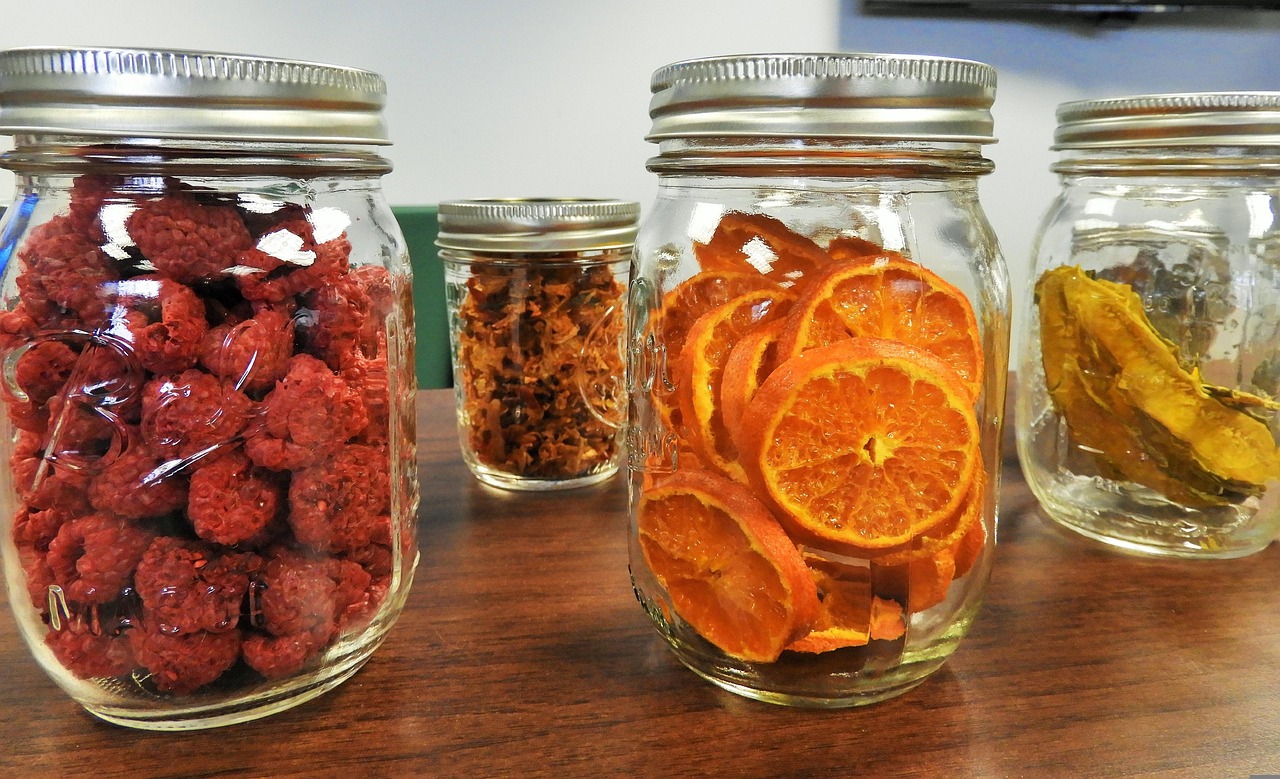
Rotate stock using the first-in-first-out principle, moving older items forward. Transfer opened packages to airtight containers that protect against pests and maintain freshness. Label containers with contents and opening dates to track freshness accurately.
Wipe down pantry shelves to remove crumbs that attract pests. Check for moisture or water damage that could indicate plumbing leaks or humidity problems. Ensure proper ventilation to prevent mold growth in stored foods.
Lighting and Visibility Assessment 💡
Adequate lighting prevents accidents and makes food preparation more accurate and enjoyable. Test all kitchen light bulbs weekly, replacing burned-out bulbs immediately. Dark kitchens increase risks of cuts, burns, and other injuries from reduced visibility.
Install under-cabinet lighting to illuminate counter work surfaces. Task lighting directly above cutting and preparation areas prevents shadows that obscure what you’re doing. Consider motion-sensor lights in pantries and under cabinets for convenient hands-free operation.
Clean light fixtures and bulbs to remove grease film that significantly reduces brightness. Natural light exposure also benefits kitchen safety—keep windows clean and consider replacing heavy window treatments that block helpful daylight.
Personal Safety Habits and Protective Gear 👨🍳
Even the safest kitchen requires proper personal habits and protective equipment. Keep pot holders and oven mitts clean, dry, and in good condition. Damp pot holders conduct heat dangerously, causing burns. Replace worn mitts that no longer provide adequate heat protection.
Secure loose clothing and tie back long hair before cooking. Dangling sleeves, jewelry, and hair can catch fire or get caught in appliances. Wear closed-toe shoes in the kitchen to protect feet from dropped knives, hot spills, and broken glass.
Keep a well-stocked first aid kit specifically for the kitchen. Include burn gel, bandages in various sizes, antibiotic ointment, and tweezers for splinter removal. Know basic first aid for common kitchen injuries and when to seek professional medical attention.
Creating Your Personalized Safety Routine ✅
Transform these recommendations into a sustainable habit by creating a personalized checklist that fits your household’s specific needs. Consider which tasks require weekly attention versus monthly or seasonal maintenance. Divide responsibilities among household members to share the workload.
Choose a consistent day and time for your weekly safety checks. Many people find Sunday afternoons ideal for kitchen maintenance before the busy work week begins. Consistency builds habits that eventually feel automatic rather than burdensome.
Document your routine using a checklist app or simple paper chart. Checking off completed tasks provides satisfying confirmation and ensures nothing gets overlooked. Review and adjust your checklist seasonally as your cooking habits and household needs evolve.
Teaching Kitchen Safety to Family Members 👨👩👧👦
Kitchen safety extends beyond personal practices to educating everyone who uses your cooking space. Children should learn age-appropriate safety lessons beginning with simple concepts like hot surfaces and sharp objects, progressing to actual cooking skills under supervision.
Establish clear kitchen rules that everyone follows consistently. Examples include always turning pot handles inward, never leaving cooking unattended, and immediately wiping up spills. Consistency in enforcing these rules creates a safety culture that protects everyone.
Conduct periodic family safety reviews where you discuss potential hazards, practice emergency procedures, and celebrate safety successes. Making safety a family conversation rather than a lecture increases buy-in and compliance from all household members.

Maintaining Long-Term Kitchen Safety Success 🌟
Your weekly safety checklist represents the foundation of a secure, organized cooking environment, but long-term success requires ongoing commitment and occasional adjustments. As your cooking skills develop and your household changes, your safety needs evolve accordingly.
Schedule quarterly deep-clean sessions that address areas beyond weekly maintenance. This includes cleaning behind appliances, washing cabinet interiors, and inspecting less-visible areas for potential problems. These thorough inspections catch developing issues before they become serious hazards.
Stay informed about food safety recommendations and product recalls. Sign up for notifications from food safety authorities and appliance manufacturers. Knowledge empowers you to make informed decisions about your kitchen safety practices.
Remember that a safe kitchen isn’t just about following rules—it’s about creating an environment where cooking becomes a joyful, creative expression rather than a stressful obligation. When you eliminate hazards and establish organizational systems, you free your mental energy to focus on the pleasure of preparing delicious, nutritious meals for yourself and those you love. Your consistent attention to these weekly safety practices pays dividends in peace of mind, accident prevention, and an overall more enjoyable cooking experience that lasts for years to come.