Food safety begins the moment groceries enter your home. Proper storage isn’t just about keeping food fresh—it’s a critical defense against harmful bacteria, cross-contamination, and foodborne illnesses that affect millions annually.

Whether you’re a meal prep enthusiast, a busy parent managing family meals, or someone who simply wants to reduce food waste while maintaining a healthy kitchen, understanding the fundamentals of food storage is essential. The right techniques can extend shelf life, preserve nutritional value, and most importantly, keep your loved ones safe from preventable health risks.
🏠 Understanding the Fundamentals of Safe Food Storage
Before diving into specific storage strategies, it’s crucial to understand why proper food storage matters beyond simple convenience. Bacteria multiply rapidly in what’s called the “danger zone”—temperatures between 40°F and 140°F (4°C and 60°C). When food sits in this range for extended periods, harmful pathogens like Salmonella, E. coli, and Listeria can flourish to dangerous levels.
Your refrigerator should maintain a steady temperature at or below 40°F, while your freezer needs to stay at 0°F or lower. These aren’t arbitrary numbers—they’re scientifically determined thresholds that slow bacterial growth to safe levels. Investing in an appliance thermometer is one of the smartest moves you can make for food safety.
The Temperature Control Challenge
Many households unknowingly operate refrigerators at unsafe temperatures. A study by the Food and Drug Administration found that many home refrigerators run warmer than recommended, creating perfect conditions for bacterial growth. Regular temperature checks should become part of your kitchen routine, just like taking out the trash or wiping counters.
📋 The Essential Food Storage Checklist for Every Kitchen
Creating a comprehensive food storage system requires the right tools and containers. Here’s what every kitchen needs to maintain optimal food safety standards:
- Airtight containers: Glass or BPA-free plastic containers with secure lids prevent moisture loss and contamination
- Quality food wrap: Both plastic wrap and aluminum foil for different storage needs
- Freezer bags: Heavy-duty bags designed to prevent freezer burn and maintain food quality
- Labels and markers: Critical for tracking storage dates and preventing forgotten items
- Refrigerator thermometer: Essential for monitoring safe temperature ranges
- Storage bins and organizers: Keep similar items together and maximize space efficiency
- Vacuum sealer: Optional but highly effective for long-term storage
🥩 Organizing Your Refrigerator for Maximum Safety
Your refrigerator isn’t just a cold box—it has temperature zones that make certain areas better suited for specific foods. Understanding this internal geography is key to preventing contamination and extending freshness.
The Top Shelf Strategy
The upper shelves maintain the most consistent temperature and should house ready-to-eat foods like leftovers, drinks, and prepared meals. These items won’t drip contaminated liquids onto foods below, and they’re less likely to cause cross-contamination issues. Store herbs in water-filled containers covered with plastic bags to keep them fresh for weeks.
Middle Shelves: Your Dairy Domain
Middle shelves work perfectly for dairy products, eggs, and other temperature-sensitive items. Despite the built-in egg holder on many refrigerator doors, eggs actually stay fresher when stored in their original carton on a middle shelf where temperatures remain more stable. The carton also prevents eggs from absorbing refrigerator odors through their porous shells.
Bottom Shelf: The Meat Zone
Raw meat, poultry, and seafood belong on the lowest shelf, ideally in a dedicated drawer if your refrigerator has one. This placement prevents potentially contaminated juices from dripping onto other foods. Always store these proteins in sealed containers or on plates with raised edges to catch any leaks. If you’re thawing frozen meat, the bottom shelf is also the safest location.
Door Storage: What Really Belongs There
Refrigerator doors experience the most temperature fluctuation, making them unsuitable for highly perishable items. Use door shelves for condiments, juices, and other items with natural preservatives or longer shelf lives. Never store milk or eggs in the door despite those convenient built-in compartments—the temperature variations can significantly reduce their quality and safety.
🥦 Mastering Produce Storage for Freshness and Safety
Fruits and vegetables require different storage approaches based on their ethylene gas production and sensitivity. Some produce items accelerate ripening in nearby fruits and vegetables, while others suffer quality loss when stored together.
The Crisper Drawer Science
Most refrigerators feature two crisper drawers with different humidity settings. Use the high-humidity drawer for leafy greens, herbs, and vegetables that wilt easily. The low-humidity drawer works better for fruits and vegetables that rot rather than wilt, like apples, pears, and stone fruits. This separation isn’t just about freshness—it’s about preventing premature spoilage that can lead to mold and bacterial growth.
What Stays Outside the Fridge
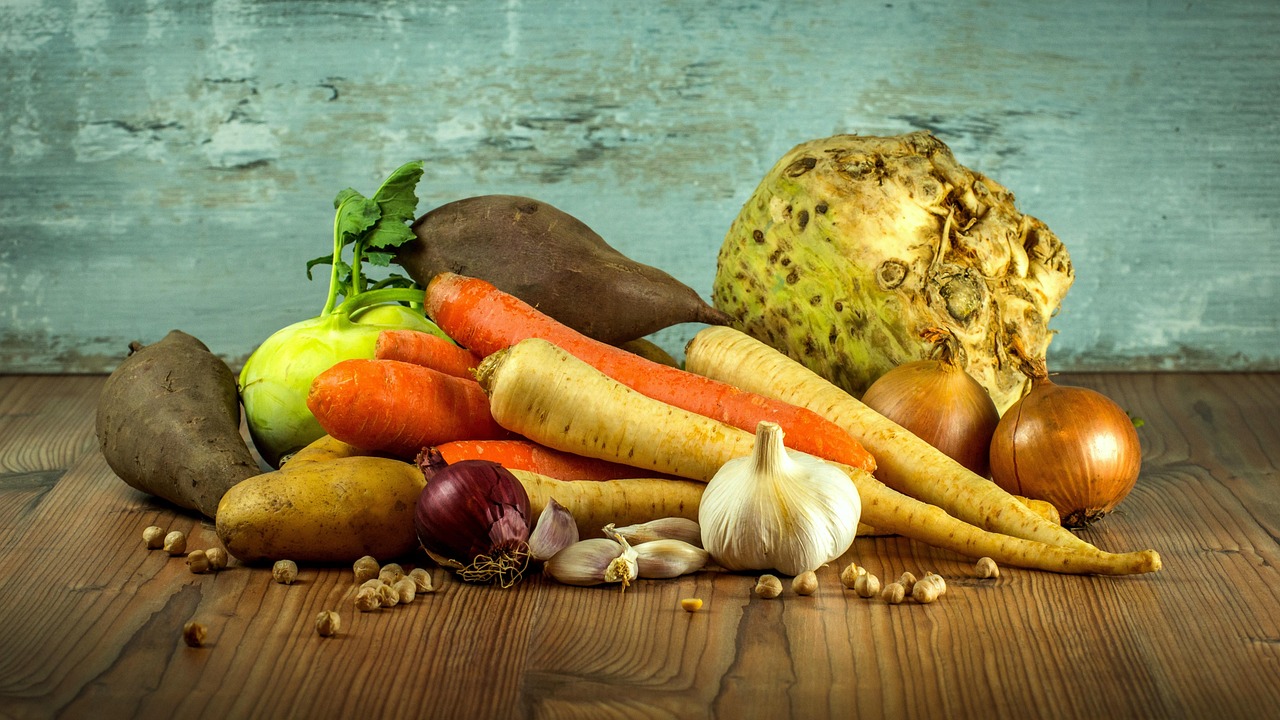
Not all produce belongs in the refrigerator. Tomatoes lose flavor and develop mealy textures when refrigerated before fully ripening. Potatoes, onions, and garlic prefer cool, dark, dry storage—refrigeration converts potato starches to sugars and can cause onions to become soft and moldy. Bananas, avocados, and stone fruits should ripen at room temperature before refrigeration.
❄️ Freezer Storage: Your Long-Term Food Safety Ally
Freezing is one of the safest long-term food preservation methods when done correctly. At 0°F, bacterial growth stops completely, though food quality can still degrade over time through freezer burn and oxidation.
Proper Freezing Techniques
Remove as much air as possible from storage containers and bags—air exposure causes freezer burn and accelerates quality loss. Cool hot foods in the refrigerator before freezing to prevent temperature spikes that could affect other frozen items. Divide large quantities into smaller portions for faster, more even freezing and easier thawing later.
Freezer Organization That Prevents Waste
A disorganized freezer becomes a graveyard for forgotten foods. Implement a first-in, first-out system by dating all items and arranging them so older items sit at the front. Consider using clear storage bins to group similar items—one for vegetables, another for proteins, and a third for prepared meals. This organization system reduces the time your freezer door stays open, maintaining more stable temperatures.
| Food Category | Recommended Freezer Storage Time | Best Practices |
|---|---|---|
| Ground Meat | 3-4 months | Flatten in freezer bags for quick thawing |
| Chicken Parts | 9 months | Remove from store packaging, wrap tightly |
| Fish | 3-6 months | Vacuum seal for best quality |
| Cooked Meals | 2-3 months | Cool completely before freezing |
| Bread | 3 months | Slice before freezing for easy portioning |
| Vegetables (blanched) | 12 months | Blanch before freezing to preserve quality |
🍞 Pantry Organization: Creating a Contamination-Free Zone
Dry goods might seem less risky than perishables, but improper pantry storage can still lead to pest infestations, spoilage, and even foodborne illness. Your pantry needs just as much attention as your refrigerator when it comes to food safety.
The Container Revolution
Transfer opened packages of flour, sugar, rice, pasta, and cereals into airtight containers. Original packaging often provides inadequate protection against moisture, pests, and staleness. Clear containers let you see contents at a glance and monitor inventory levels, reducing the likelihood of expired items lurking in the back of shelves.
FIFO: First In, First Out
Restaurant kitchens live by this principle, and your home kitchen should too. When restocking pantry items, move older products to the front and place newer purchases behind them. This simple rotation system ensures you use items before they expire, reducing waste and potential food safety issues.
🏷️ The Power of Labeling: Your Food Safety Insurance Policy
Even the best storage system fails without proper labeling. Memory is unreliable when it comes to tracking when you cooked that casserole or opened that jar of salsa. A simple labeling system transforms your food storage from guesswork into science.
Label every container with three pieces of information: contents, storage date, and use-by date if applicable. For frozen items, include reheating instructions to prevent future confusion. Many households find success with color-coded labels—one color for raw meats, another for prepared foods, and a third for produce. This visual system makes it easier to identify items quickly and maintain proper separation.
🦠 Cross-Contamination Prevention: The Hidden Danger
Cross-contamination occurs when harmful bacteria transfer from one food item to another, often through shared surfaces, utensils, or improper storage proximity. This invisible threat causes countless cases of foodborne illness that proper storage techniques can prevent.
The Separation Strategy
Raw meats should never touch ready-to-eat foods, whether in shopping carts, grocery bags, or your refrigerator. Use separate cutting boards for raw proteins and produce—color-coded boards make this distinction obvious. When storing leftovers, never place cooked food in containers that previously held raw meat without thorough washing.
Container Cleaning Protocols
Even reusable food storage containers need regular deep cleaning beyond a quick rinse. Wash containers with hot, soapy water, paying special attention to lid grooves where bacteria can hide. Periodically sanitize containers with a diluted bleach solution or run them through a dishwasher’s sanitize cycle. Discard containers with cracks, deep scratches, or persistent odors—these imperfections harbor bacteria.
📱 Smart Technology for Modern Food Storage
Technology now offers tools that make food safety easier than ever. Smart refrigerators can alert you to temperature fluctuations, while specialized apps help track expiration dates and inventory. These digital solutions transform food storage from a chore into an efficient system.
Several food management apps allow you to photograph receipts, scan barcodes, and receive notifications when items approach expiration. These apps can suggest recipes based on ingredients you need to use soon, reducing waste while maintaining safety. Some even integrate with smart home systems to monitor appliance performance and energy efficiency.
🔍 Regular Audits: Your Weekly Food Safety Routine
Establishing a weekly kitchen audit prevents small storage issues from becoming major problems. Set aside 15 minutes each week to review your food storage systems, check temperatures, and identify items nearing expiration.
During these audits, wipe down refrigerator shelves, check for spills or leaks, and reorganize items that have shifted. Inspect pantry containers for signs of pest activity like small holes or webbing. These regular check-ins catch problems early and reinforce good storage habits for everyone in your household.
🌟 Special Considerations for High-Risk Foods
Certain foods demand extra attention due to their susceptibility to contamination or rapid spoilage. Understanding these special cases helps you allocate your food safety efforts most effectively.
Dairy Products and Their Delicate Nature
Dairy items spoil quickly and can harbor dangerous bacteria when mishandled. Never return unused milk to its original container after pouring—this introduces bacteria from the glass. Soft cheeses require more careful monitoring than hard varieties, as their moisture content makes them more vulnerable to mold and bacterial growth.
Leafy Greens: The Contamination Risk
Pre-washed salad greens still benefit from additional rinsing before consumption. Store washed greens with a paper towel in the container to absorb excess moisture that promotes bacterial growth and sogginess. Never store leafy greens near raw meat, and always check for recalls—leafy greens frequently appear in contamination alerts.
💡 Smart Shopping Habits That Support Safe Storage
Food safety begins at the grocery store. Shop with a plan that considers storage capacity and realistic consumption timelines. Buying more than you can properly store or consume before expiration defeats even the best storage systems.
Shop for refrigerated and frozen items last, minimizing their time in the temperature danger zone during transport. Bring insulated bags for perishables, especially during warm weather. At home, put away groceries immediately rather than leaving them on counters—every minute at room temperature allows bacterial growth.
🎯 Building Sustainable Food Storage Habits
The ultimate goal isn’t perfection but consistent improvement in your food storage practices. Start with one or two changes that address your biggest pain points, then gradually incorporate additional strategies as they become habitual.
Perhaps you begin by simply adding a thermometer to your refrigerator and checking it daily. Next month, you might implement a labeling system for leftovers. The following month, you reorganize your pantry with proper containers. These incremental changes compound over time, transforming your kitchen into a model of food safety without overwhelming yourself with too many simultaneous adjustments.

🌈 Creating a Food Safety Culture at Home
When multiple people share a kitchen, food safety requires buy-in from everyone. Make food storage protocols clear and accessible to all household members. Consider creating a simple visual guide posted inside a cabinet door that outlines basic storage rules and proper refrigerator organization.
Teach children age-appropriate food safety practices, turning these lessons into life skills they’ll carry into adulthood. When everyone understands the “why” behind storage rules, compliance becomes natural rather than forced. This shared commitment to food safety protects your entire household while reducing waste and saving money.
Food storage mastery isn’t about following rigid rules that complicate your life—it’s about developing flexible systems that protect your health, preserve food quality, and reduce waste. The strategies outlined in this checklist work together to create multiple layers of protection against foodborne illness. By implementing even a portion of these recommendations, you’ll notice immediate improvements in food freshness, reduced spoilage, and greater peace of mind about what you’re serving your family. Remember that every small improvement contributes to a safer kitchen environment, and the habits you build today establish a foundation for lifelong food safety practices that benefit everyone who shares your table.