Cross-contamination is one of the most overlooked dangers in home kitchens, affecting millions of people annually. Understanding how to prevent it transforms your meal planning from risky to reliable.

Food safety isn’t just about washing your hands—it’s a comprehensive approach to handling, storing, and preparing ingredients. When you master cross-contamination prevention, you’re not only protecting your family’s health but also maximizing the nutritional value and flavor of your meals. The stakes are high: the CDC estimates that 48 million Americans get sick from foodborne illnesses each year, with cross-contamination being a leading cause.
This comprehensive guide will equip you with practical strategies, checklists, and expert insights to create a meal planning system that prioritizes safety without sacrificing efficiency or creativity. Whether you’re cooking for one or feeding a large family, these principles will revolutionize how you approach kitchen safety.
🧪 Understanding Cross-Contamination: The Hidden Kitchen Threat
Cross-contamination occurs when harmful bacteria or allergens transfer from one surface, food, or utensil to another. This invisible threat can happen in seconds but cause illness that lasts days or weeks. The most common culprits include raw meat juices spreading to fresh produce, unwashed hands touching ready-to-eat foods, and shared cutting boards harboring dangerous pathogens.
There are three primary types of cross-contamination you need to understand. Food-to-food contamination happens when raw ingredients come into direct contact with cooked or ready-to-eat items. Equipment-to-food contamination occurs through shared utensils, cutting boards, or appliances. People-to-food contamination results from improper hand hygiene or unsafe food handling practices.
The consequences extend beyond stomach discomfort. Vulnerable populations including young children, pregnant women, elderly individuals, and those with compromised immune systems face serious health risks. Pathogens like Salmonella, E. coli, and Listeria can cause severe complications requiring hospitalization or worse.
🗓️ Strategic Meal Planning: Your First Line of Defense
Effective meal planning begins before you even enter the grocery store. Creating a detailed shopping list organized by food category helps you maintain separation from purchase to preparation. Group raw meats separately from produce and ready-to-eat items, and plan to bag them separately at checkout.
When designing your weekly menu, consider the sequence of meal preparation. Schedule meals with raw proteins on different days than those featuring only cooked ingredients, or plan to prepare vegetables before handling any raw meat. This strategic approach minimizes the risk of accidental contamination during busy cooking sessions.
Your meal planning should also account for storage logistics. Map out which containers you’ll need, where items will be stored in the refrigerator, and how long each prepared component will remain safe to consume. This proactive thinking prevents last-minute decisions that often lead to safety shortcuts.
Creating Your Weekly Safe Meal Plan Template
Start by categorizing your meals into high-risk and low-risk preparation days. High-risk meals involve handling raw poultry, seafood, or ground meats. Low-risk meals focus on cooked proteins, vegetarian options, or previously frozen prepared items. Alternating between these categories gives you mental space to maintain vigilance during critical food handling moments.
Document your ingredient lists with safety notes. Mark which items need immediate refrigeration, which require separate storage containers, and which can be prepped in advance. This attention to detail becomes second nature after a few weeks and dramatically reduces contamination risks.
🛒 Smart Shopping: Protecting Food Safety Before You Get Home
Your cross-contamination prevention strategy begins at the store. Always select packaged and shelf-stable items first, then refrigerated products, and finally frozen items and raw meats. This shopping sequence maintains proper temperature control and minimizes the time perishables spend in the danger zone between 40°F and 140°F.
Use separate bags for raw meats, poultry, and seafood. Many stores provide thin plastic produce bags—use these to wrap raw meat packages before placing them in your cart. This simple barrier prevents leaking juices from contaminating other groceries. Keep raw proteins in a separate section of your cart, ideally in the child seat area away from fresh produce.
Inspect packaging carefully before purchasing. Damaged containers, leaking meat packages, or dented cans can harbor bacteria or indicate temperature abuse. When buying pre-cut produce, check that it’s been stored at proper refrigeration temperatures and shows no signs of wilting or discoloration.
🏠 Kitchen Organization: Designing a Contamination-Free Zone
Your kitchen layout significantly impacts food safety. Designate specific zones for different food preparation tasks. Create a raw protein zone away from areas where you’ll prepare vegetables or assemble ready-to-eat foods. This physical separation serves as a visual reminder and practical barrier against cross-contamination.
Invest in color-coded cutting boards and utensils. Use red for raw meat, yellow for poultry, green for produce, and blue for seafood. This system eliminates guesswork and ensures you never accidentally use a board that touched raw chicken to chop salad vegetables. Store these items separately so you can quickly grab the right tool for each task.
Organize your refrigerator with safety as the priority. Raw meats belong on the bottom shelf where they cannot drip onto other foods. Store them in sealed containers or on plates with raised edges. Place ready-to-eat foods like leftovers and fresh produce on upper shelves. Maintain a refrigerator thermometer to ensure temperatures stay at or below 40°F.
Essential Equipment for a Safe Kitchen
- Multiple cutting boards in different colors for food type separation
- Separate knife sets or clearly marked knives for raw and ready-to-eat foods
- Food-grade storage containers with airtight seals
- Instant-read food thermometer for verifying safe cooking temperatures
- Dedicated sponges or cleaning cloths for different kitchen zones
- Sanitizing solution or food-safe disinfectant spray
- Paper towels for single-use cleaning when handling raw proteins
- Refrigerator and freezer thermometers
✅ The Ultimate Cross-Contamination Prevention Checklist
Print this comprehensive checklist and post it in your kitchen as a daily reminder. Review it before each meal preparation session until these practices become automatic habits.
Before Cooking
- Wash hands thoroughly with soap and warm water for at least 20 seconds
- Clean and sanitize all work surfaces, cutting boards, and utensils
- Review your meal plan and gather all necessary ingredients
- Set up separate preparation zones for raw and ready-to-eat foods
- Remove jewelry and tie back long hair
- Check that refrigerator temperature is 40°F or below
- Verify all ingredients are fresh and within safe use dates
During Food Preparation
- Use designated cutting boards and utensils for each food category
- Never place cooked food on plates that held raw proteins
- Wash hands immediately after handling raw meat, poultry, or seafood
- Keep raw proteins separate from produce and ready-to-eat items
- Sanitize surfaces immediately after they contact raw proteins
- Use separate utensils for tasting and mixing
- Don’t rinse raw poultry (splashing spreads bacteria)
- Marinate foods in the refrigerator, never on the counter
- Use a food thermometer to verify safe internal temperatures
After Cooking
- Cool leftovers quickly in shallow containers before refrigerating
- Label all stored foods with preparation dates
- Clean and sanitize all cutting boards, utensils, and surfaces
- Wash hands after handling dirty dishes and cooking equipment
- Empty kitchen trash containing raw meat packaging promptly
- Replace or sanitize sponges and dish cloths daily
- Wipe down refrigerator handles and commonly touched surfaces
🍖 Handling High-Risk Foods: Protein-Specific Safety Protocols
Raw chicken and poultry require the most stringent safety measures. Always assume these products contain Salmonella and Campylobacter. Keep poultry in its original packaging until you’re ready to cook it, or transfer it to a sealed container immediately upon arriving home. Never wash raw chicken—this spreads bacteria throughout your sink and surrounding areas.
Ground meats present unique risks because grinding distributes bacteria throughout the product rather than keeping it on the surface. Cook ground beef, pork, and lamb to an internal temperature of 160°F. Use ground meat within one to two days of purchase or freeze it for longer storage.
Seafood spoils quickly and can harbor parasites and bacteria. Purchase fish and shellfish last during shopping trips and keep them on ice if you won’t be home within an hour. Store seafood in the coldest part of your refrigerator and use within one to two days. When preparing raw fish, use dedicated equipment and sanitize thoroughly afterward.
Safe Minimum Cooking Temperatures
| Food Item | Safe Internal Temperature |
|---|---|
| Ground meats (beef, pork, lamb) | 160°F (71°C) |
| Ground poultry | 165°F (74°C) |
| Whole cuts of beef, pork, lamb | 145°F (63°C) with 3-minute rest |
| Poultry (chicken, turkey, duck) | 165°F (74°C) |
| Fish and shellfish | 145°F (63°C) |
| Egg dishes | 160°F (71°C) |
| Leftovers and casseroles | 165°F (74°C) |
🥗 Produce Safety: Beyond Just Rinsing
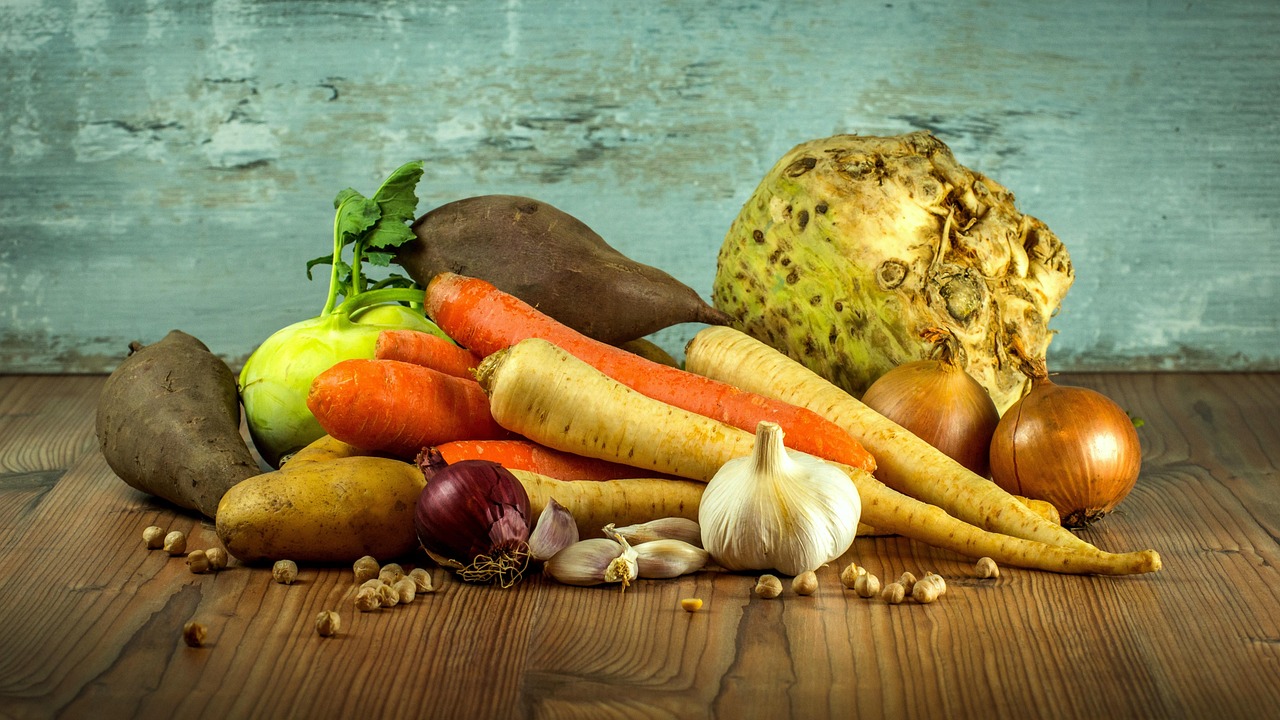
Many people mistakenly believe produce is low-risk, but contaminated fruits and vegetables cause numerous foodborne illness outbreaks annually. Wash all produce under running water immediately before use, even items you plan to peel. Use a clean produce brush for firm items like potatoes, carrots, and melons.
Pay special attention to leafy greens, which have large surface areas that can harbor bacteria. Separate leaves and rinse thoroughly under running water. Pre-washed salad mixes labeled “ready to eat” don’t require additional washing, but damaged packages or products past their use-by date should be discarded.
Never use soap or produce washes containing chemicals not approved for food contact. Plain running water is most effective and doesn’t leave residues. Dry produce with clean paper towels or a dedicated produce cloth to remove additional bacteria.
🧼 Cleaning and Sanitizing: The Critical Difference
Many home cooks don’t realize that cleaning and sanitizing are two distinct processes, both necessary for preventing cross-contamination. Cleaning removes visible dirt and food particles using soap and water. Sanitizing kills microscopic bacteria that remain after cleaning using heat or chemical sanitizers.
Create an effective sanitizing solution by mixing one tablespoon of unscented liquid chlorine bleach in one gallon of water. This solution remains effective for 24 hours when stored in an opaque container. Apply it to surfaces after cleaning, let it sit for at least one minute, then allow to air dry for maximum effectiveness.
Cutting boards require special attention. Wash them with hot soapy water after each use, then sanitize with bleach solution or run them through the dishwasher if they’re dishwasher-safe. Replace cutting boards when they develop deep grooves or cracks that can harbor bacteria. Plastic boards are easier to sanitize, while wooden boards have natural antimicrobial properties when properly maintained.
Daily Kitchen Sanitizing Schedule
Implement a routine that ensures high-touch surfaces stay safe. Sanitize countertops before and after meal preparation. Clean refrigerator door handles daily and interior shelves weekly. Sanitize sink faucets and cabinet handles each evening. Replace kitchen sponges every three to five days, or sanitize them daily by microwaving damp sponges for one minute.
🍱 Meal Prep and Storage: Maintaining Safety Over Time
Batch cooking and meal prep offer convenience but require extra attention to food safety. Divide large quantities of food into smaller portions using shallow containers, which cool more quickly and prevent bacterial growth. Never leave prepared foods at room temperature for more than two hours (one hour if the ambient temperature exceeds 90°F).
Label everything with preparation dates and follow the “first in, first out” principle. Most cooked foods remain safe in the refrigerator for three to four days. Freeze items you won’t consume within this window, but note that freezing doesn’t kill bacteria—it only slows their growth.
When reheating, bring foods to 165°F throughout, not just on the edges. Use a food thermometer to verify temperature in the thickest part of the dish. Reheat sauces and gravies to a rolling boil. Only reheat portions you’ll consume immediately rather than reheating entire batches multiple times.
👨👩👧👦 Teaching Food Safety: Creating a Culture of Awareness
Everyone who uses your kitchen should understand basic cross-contamination prevention. Hold a family meeting to review your color-coded system, designated zones, and essential safety rules. Make it engaging for children by framing it as “kitchen detective work” where they help spot potential contamination risks.
Post visual reminders throughout your kitchen. Create a laminated card with proper handwashing steps near the sink. Display your safe temperature chart near the stove. Use removable labels or dry-erase markers on refrigerator items to track dates.
Lead by example and correct unsafe practices immediately but constructively. When someone makes a mistake, explain the risk and demonstrate the proper technique rather than simply criticizing. Positive reinforcement builds lasting habits more effectively than punishment.
🔍 Common Cross-Contamination Mistakes and How to Avoid Them
Even careful cooks make preventable errors. One frequent mistake is wiping hands on dish towels after handling raw meat, then using the same towel for other tasks. Use paper towels for single-use cleanup when working with raw proteins, or designate specific towels for different purposes and launder them daily in hot water.
Another common error is tasting food with utensils that then return to the cooking pot. Always use a clean spoon for tasting, transfer a small amount to a separate dish, then wash the tasting spoon before it touches food again. Never taste with your fingers or double-dip utensils.
Many people underestimate how easily bacteria spread through indirect contact. Your phone, light switches, and cabinet handles all become contaminated when touched with unwashed hands. Make it a rule to wash hands before touching anything outside your immediate work zone, or designate one clean hand for opening cabinets and refrigerators while the other handles food.
💪 Building Long-Term Safe Cooking Habits
Transforming food safety knowledge into automatic habits takes approximately 66 days according to behavioral psychology research. Start by focusing on one or two critical practices until they become second nature, then gradually incorporate additional safety measures. Track your progress using a kitchen journal or safety app.
Conduct monthly kitchen audits where you honestly assess your practices and identify areas for improvement. Check expiration dates, review your temperature logs, and evaluate whether your organizational systems are working. Adjust your meal planning strategies based on what you learn.
Stay informed about food safety news and recalls. Sign up for FDA and USDA alerts to receive notifications about contaminated products. Understanding which foods are currently linked to outbreaks helps you make informed purchasing decisions and reinforces the importance of your safety practices.

🌟 Transforming Safety into Second Nature
Mastering cross-contamination prevention doesn’t require perfection—it requires consistency and mindfulness. Every meal you prepare using these principles protects your family’s health and builds confidence in your cooking abilities. The investment of time and attention pays dividends in reduced illness, less food waste, and peace of mind.
Your kitchen can be both creative and safe. These protocols aren’t restrictions but rather frameworks that free you to experiment with recipes knowing your foundation is solid. As these practices become habitual, you’ll find they require less conscious effort while delivering consistent results.
Start today with your next meal. Choose three practices from this guide to implement immediately, then add more gradually. Share your commitment with family members and invite them to join you in creating the safest kitchen possible. Your diligence today prevents problems tomorrow, making every meal an opportunity to nourish your loved ones without risk. The ultimate checklist isn’t just a tool—it’s your roadmap to confident, safe, and healthy cooking for life.