Traveling the world with celiac disease or gluten sensitivity doesn’t mean sacrificing adventure or flavor. With the right preparation and knowledge, you can explore any destination while maintaining your gluten-free lifestyle safely and deliciously.

The globalization of dietary awareness has made gluten-free travel increasingly accessible. From bustling Asian cities to remote European villages, more restaurants and accommodations now understand and cater to gluten-free needs. This comprehensive guide will equip you with practical strategies, essential tools, and insider tips to navigate dining experiences anywhere your travels take you, transforming potential stress into confident culinary exploration.
🌍 Pre-Trip Preparation: Setting Yourself Up for Success
Success in gluten-free travel begins long before you board your plane. Thorough preparation eliminates guesswork and reduces anxiety when you’re navigating unfamiliar territory.
Start by researching your destination’s natural gluten-free cuisine. Many traditional dishes worldwide are naturally safe—Thai curries with rice, Mexican corn-based tacos, Japanese sashimi, and Indian rice-based dishes. Understanding the local food culture helps you identify safe options and avoid problematic ingredients.
Create translation cards in the local language explaining your dietary requirements. These cards should clearly state “I cannot eat wheat, barley, rye, or oats” and mention cross-contamination concerns. Many celiac organizations offer downloadable cards in dozens of languages, making this process simple and reliable.
Essential Documents and Medical Preparation
Carry a letter from your doctor explaining your condition in medical terms. This documentation proves invaluable when communicating with restaurants, customs officials, or medical professionals abroad. Include both the local language translation and English version.
Pack a small supply of gluten-free emergency snacks—protein bars, crackers, or travel-friendly foods that won’t spoil. These lifesavers bridge gaps between meals or save situations when safe options aren’t immediately available.
📱 Technology Tools for the Gluten-Free Traveler
Modern technology has revolutionized gluten-free travel, putting restaurant reviews, translation tools, and community recommendations literally at your fingertips.
Several dedicated apps help locate gluten-free restaurants worldwide. Find Me Gluten Free stands out as the most comprehensive database, with user reviews and detailed information about how restaurants handle gluten-free requests. The community-driven reviews provide real experiences from fellow travelers dealing with the same concerns.
Google Translate with camera functionality allows you to photograph menus and ingredient labels, instantly translating them into your language. This feature proves especially valuable in countries with non-Latin alphabets.
Join online communities and Facebook groups dedicated to gluten-free travel. These groups offer destination-specific advice, restaurant recommendations, and real-time tips from travelers currently visiting your target location.
🏨 Choosing Accommodations Wisely
Your accommodation choice significantly impacts your gluten-free travel experience. Properties with kitchen facilities provide control over at least some meals, reducing dining-out pressure and expense.
Vacation rentals through Airbnb or Vrbo offer full kitchens where you can prepare safe meals. Even simple breakfasts prepared in your accommodation reduce daily stress and save time for exploring. When booking, message hosts about nearby grocery stores selling gluten-free products.
Many hotels now offer gluten-free breakfast options. Contact the hotel directly before booking to discuss their capabilities. Larger chain hotels typically have more experience accommodating dietary restrictions and established protocols for preventing cross-contamination.
Communicating Your Needs to Accommodations
Send a detailed email to your accommodation 2-3 weeks before arrival. Explain your dietary requirements clearly, ask about their experience with gluten-free guests, and inquire about breakfast options or nearby restaurants they recommend.
Upon check-in, remind staff of your requirements and ask if kitchen staff are available to discuss meal preparation. This personal connection often results in staff going above and beyond to ensure your safety.
🍽️ Restaurant Strategies That Work Globally
Dining out represents the biggest challenge for gluten-free travelers, but strategic approaches minimize risks and maximize enjoyment.
Always call restaurants ahead when possible. Speaking directly with kitchen staff or managers allows you to gauge their understanding of gluten-free requirements and cross-contamination. Their response tells you whether they’re genuinely equipped to serve you safely.
Avoid peak dining hours when kitchens are rushed and staff less able to accommodate special requests carefully. Arriving early or late often means more attentive service and reduced cross-contamination risks.
Choose restaurants specializing in naturally gluten-free cuisines. Authentic Thai, Vietnamese, Mexican, and Indian restaurants often have numerous safe options, though you should still verify ingredients and preparation methods.
The Art of Communicating with Restaurant Staff
Approach restaurant staff with friendliness and appreciation rather than demanding attitudes. People respond better to pleasant requests and are more likely to take extra care with your meal.
Use clear, specific language. Instead of simply saying “gluten-free,” explain “I have celiac disease and cannot eat wheat, barley, rye, or contaminated foods.” This specificity conveys seriousness without being technical.
Ask detailed questions about preparation: Are gluten-free items prepared in separate areas? Are dedicated fryers available? Does the kitchen understand cross-contamination? Staff answers reveal their true understanding and capabilities.
🌏 Regional Gluten-Free Travel Guides
Different regions present unique challenges and opportunities for gluten-free travelers. Understanding regional characteristics helps you prepare appropriately.
Europe: A Mixed Bag of Awareness
Italy, ironically the land of pasta and pizza, leads Europe in celiac awareness. Italian pharmacies stock gluten-free products, and restaurants commonly offer gluten-free pasta and pizza. The Associazione Italiana Celiachia certifies restaurants, making identification easy.
Scandinavia demonstrates excellent gluten-free awareness with abundant products in supermarkets and knowledgeable restaurant staff. The UK similarly offers strong gluten-free infrastructure with clear labeling and numerous dedicated establishments.
Eastern Europe presents more challenges, with less awareness and fewer dedicated options. Stick to naturally gluten-free dishes and carry more emergency snacks when traveling in this region.
Asia: Rice-Based Cuisine Advantage
Asian cuisines built around rice provide natural advantages, though soy sauce remains a hidden danger. Many Asian sauces contain wheat, requiring careful verification.
Japan offers excellent options once you navigate soy sauce issues. Bring gluten-free tamari or communicate “shoyu allergy.” Japanese attention to detail generally translates to careful food preparation once they understand your needs.
Thailand’s rice-based cuisine is naturally friendly, though fish sauce and soy sauce appear in many dishes. Stick to simple preparations and verify ingredients carefully.
The Americas: Growing Awareness
North America leads in gluten-free awareness, with extensive options in major cities and increasing availability in smaller towns. Chain restaurants often have detailed allergen information and gluten-free menus.
Latin America’s corn-based traditions provide excellent naturally gluten-free options. Mexican corn tortillas, Peruvian quinoa dishes, and Brazilian tapioca crepes offer delicious safe choices. Always verify that corn tortillas aren’t mixed with wheat flour, a practice in some regions.
🛒 Grocery Shopping Abroad
International grocery shopping lets you stock your accommodation with safe foods and discover local gluten-free products.
Larger supermarket chains typically stock gluten-free sections. In Europe, look for products marked with the crossed grain symbol. Research your destination’s gluten-free certification symbols before traveling.
Natural food stores and health shops often carry gluten-free products even in countries where awareness is lower. Ask locals or your accommodation host for directions to these specialized stores.
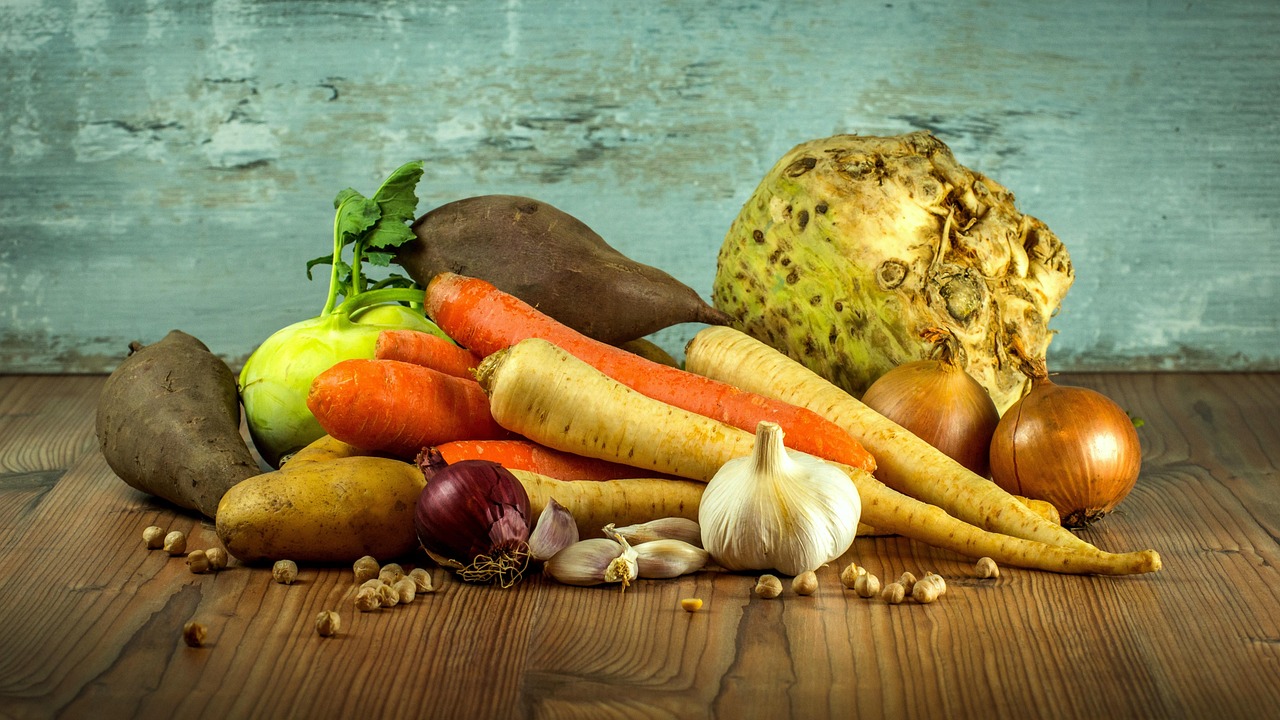
Learn to identify naturally gluten-free local foods—fresh fruits, vegetables, plain meats, rice, and corn products. These staples exist everywhere and require no special certification.
✈️ Navigating Air Travel Gluten-Free
Air travel requires special planning since in-flight meal options are often limited and potentially unsafe.
Request gluten-free meals when booking flights, but never rely solely on this request. Airlines vary dramatically in their understanding and handling of gluten-free meals. Some provide excellent certified options, while others simply remove obvious gluten without addressing cross-contamination.
Pack substantial gluten-free food for flights. Security regulations allow solid foods through checkpoints, so bring sandwiches, snacks, and meals to ensure you’re not left hungry at 30,000 feet.
Research airport dining options before travel. Many major airports now offer gluten-free options, though smaller airports may have limited choices. Apps and airport websites often list restaurant options, allowing you to plan ahead.
🚨 Handling Gluten Exposure While Traveling
Despite careful precautions, accidental gluten exposure can occur. Knowing how to respond minimizes impact and anxiety.
Pack digestive enzymes specifically designed for gluten digestion. While these don’t make gluten safe for celiacs, some travelers find they reduce symptom severity if taken immediately after suspected exposure.
Stay hydrated and rest if you experience symptoms. Gluten reactions typically resolve within days, though discomfort can be significant. Having comfortable accommodation where you can recover makes a tremendous difference.
Know how to access medical care in your destination if severe reactions occur. Your travel insurance information and doctor’s letter become crucial if you need medical attention abroad.
💡 Pro Tips from Experienced Gluten-Free Travelers
Seasoned gluten-free travelers have developed strategies that make journeys smoother and more enjoyable.
Build extra time into your schedule for meal planning and preparation. Gluten-free dining often takes longer than conventional eating, whether you’re shopping, cooking, or thoroughly questioning restaurant staff.
Embrace cultural exchange around food. Many people are genuinely interested in learning about celiac disease and gluten sensitivity. Your careful explanations often lead to wonderful conversations and deeper cultural connections.
Consider booking food tours specifically designed for gluten-free travelers. These specialized experiences exist in major cities worldwide, offering safe ways to experience local cuisine with knowledgeable guides.
Take photos of successful meals and restaurant cards. Building your personal database of safe options makes return visits easier and helps other travelers when you share recommendations online.
🌟 Embracing the Gluten-Free Travel Adventure
Gluten-free travel requires more planning than conventional travel, but the rewards remain identical—experiencing new cultures, tasting delicious foods, and creating lasting memories. The extra effort invested in preparation pays dividends in confidence and enjoyment.
Your dietary requirements don’t diminish your travel experiences; they simply add another dimension to your adventures. Many gluten-free travelers report that their restrictions led them to discover restaurants and dishes they otherwise would never have tried, enriching rather than limiting their experiences.
The global gluten-free community continues growing stronger and more connected. Every restaurant you educate, every positive review you leave, and every tip you share helps the next gluten-free traveler. You’re not just navigating restrictions—you’re pioneering paths for others to follow.
Start planning your next adventure with confidence. Armed with preparation, technology, and community support, the world truly is accessible to gluten-free travelers. Your wanderlust doesn’t need to take a back seat to dietary restrictions. Instead, let curiosity lead you to new destinations, knowing you have the tools and knowledge to dine safely and deliciously anywhere your travels take you. 🌎✨