Traveling with celiac disease or gluten sensitivity doesn’t have to mean sacrificing adventure or delicious food. With proper planning and the right tools, you can explore the world confidently while maintaining your gluten-free lifestyle safely and enjoyably.

The growing awareness of gluten-related disorders has transformed the travel landscape dramatically. More restaurants, hotels, and destinations now accommodate gluten-free diners, making your journey smoother than ever before. However, success still requires preparation, knowledge, and a comprehensive approach to dining away from home.
🗺️ Pre-Trip Planning: Building Your Gluten-Free Foundation
Your stress-free gluten-free adventure begins weeks before departure. Thorough research transforms potential dining disasters into seamless experiences, allowing you to focus on creating memories rather than worrying about your next meal.
Start by investigating your destination’s gluten-free awareness level. Countries like Italy, surprisingly, have excellent celiac support due to high diagnosis rates, while some regions may have limited understanding of cross-contamination risks. Online forums, celiac disease associations, and gluten-free travel blogs provide invaluable insights from travelers who’ve navigated these territories before you.
Essential Research Checklist Before Departure
Create a customized dining guide for your specific destination. Identify gluten-free-friendly restaurants, bakeries, and grocery stores near your accommodation and major attractions. Many establishments now list allergen information online, allowing you to pre-screen options from the comfort of home.
Download translation cards in the local language that clearly explain your dietary needs. These cards should specify that you cannot consume wheat, barley, rye, or contaminated oats, and emphasize the importance of separate preparation surfaces and utensils. Generic cards are available online, but customizing them with specific concerns increases their effectiveness.
Consider downloading dedicated gluten-free dining apps that crowd-source restaurant reviews and location information. Find Me Gluten Free is one of the most comprehensive applications, offering user-generated reviews, photos, and detailed feedback from the gluten-free community worldwide.
🎒 Packing Smart: Your Gluten-Free Travel Kit
A well-stocked gluten-free travel kit serves as your safety net during unexpected situations. Flight delays, remote locations, and limited dining options become manageable challenges rather than crises when you’re prepared with emergency provisions.
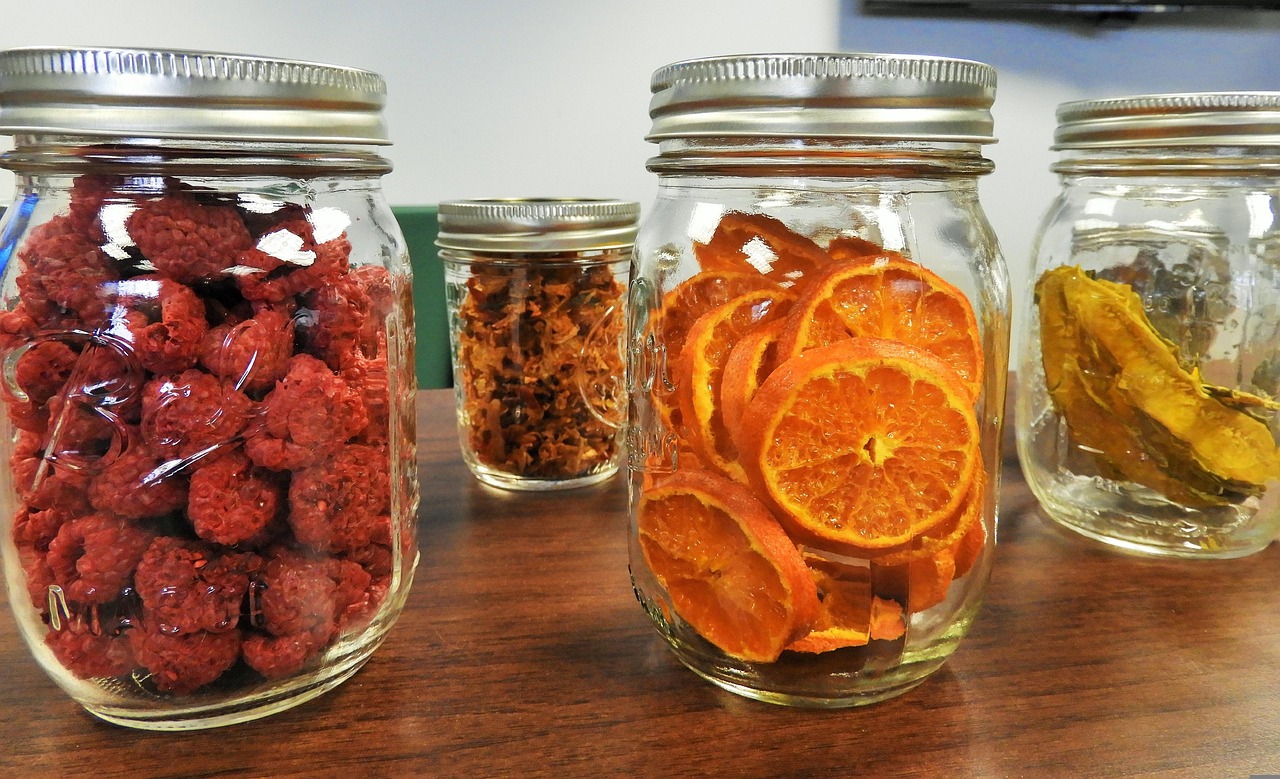
Pack a variety of shelf-stable gluten-free snacks including protein bars, nuts, dried fruit, rice cakes, and crackers. These items sustain you during travel delays and provide quick energy when suitable restaurant options aren’t immediately available. Calculate enough supplies for at least two extra days beyond your planned return date.
Kitchen Essentials for Accommodations
If your lodging includes kitchen facilities, bring critical items that prevent cross-contamination. A personal toaster bag allows you to safely prepare gluten-free bread in shared toasters. Small containers of your preferred gluten-free seasonings, soy sauce alternatives, and cooking oils ensure you can prepare simple meals without ingredient uncertainty.
Pack resealable bags in various sizes for storing opened snacks, separating potentially contaminated items, and organizing your gluten-free supplies. A portable cutting board and knife give you complete control over food preparation surfaces in vacation rentals or Airbnb accommodations.
✈️ Navigating Air Travel and Airport Dining
Air travel presents unique challenges for gluten-free passengers, but advance planning minimizes stress significantly. Contact airlines at least 48-72 hours before departure to request gluten-free meal options. However, never rely solely on airline meals—pack substantial backup snacks in your carry-on luggage.
Airport dining has improved considerably for gluten-free travelers in recent years. Major international airports now feature restaurants with dedicated gluten-free menus and trained staff. Research airport dining options during layovers and allow extra time for locating appropriate food sources.
TSA and Food Security Regulations
Solid gluten-free foods pass through security checkpoints without issues, but liquids follow standard 3.4-ounce restrictions unless medically necessary. If you require liquid nutritional supplements or specific condiments, research medical exemption procedures for your departure airport and have documentation ready if questioned.
International customs regulations vary regarding packaged foods. Generally, commercially sealed, shelf-stable items cause no problems, but fresh fruits, vegetables, and meats face restrictions. Review your destination country’s food importation rules to avoid confiscation or fines at customs.
🍽️ Restaurant Dining: Communication Strategies That Work
Effective communication with restaurant staff forms the cornerstone of safe gluten-free dining abroad. Your approach should balance assertiveness about your needs with respect for cultural differences and language barriers.
Always call ahead when possible to discuss gluten-free options and gauge staff knowledge. This conversation reveals whether the establishment truly understands celiac disease or merely offers wheat-free dishes that may contain hidden gluten or cross-contamination risks.
Key Questions to Ask Restaurant Staff
- Does the kitchen have a dedicated gluten-free preparation area or procedures to prevent cross-contamination?
- Are sauces, marinades, and seasonings prepared fresh or from pre-made mixes that might contain gluten?
- What cooking oils are used, and are they shared with gluten-containing items like breaded foods?
- Can you speak directly with the chef about preparation methods and ingredient sourcing?
- How does the restaurant handle fryer contamination if ordering items like French fries?
Timing matters significantly when dining out. Arriving during off-peak hours allows kitchen staff more time and attention to accommodate special requests properly. Lunch or early dinner services typically prove easier for securing careful food preparation than rushed peak periods.
🌍 Region-Specific Gluten-Free Dining Strategies
Different cultures approach gluten-free dining with varying levels of understanding and accommodation. Tailoring your strategy to regional norms increases your success rate and reduces frustration throughout your journey.
Europe: Navigating Bread-Centric Cultures
European countries generally demonstrate strong celiac awareness, particularly Italy, where celiac disease receives official medical recognition. Italian pharmacies stock gluten-free products, and many restaurants train staff specifically on celiac protocols. Look for restaurants displaying the crossed grain symbol indicating certified gluten-free options.
France and Spain present greater challenges due to bread’s cultural significance, but major cities increasingly offer gluten-free bakeries and specialty restaurants. Request “sans gluten” in France and “sin gluten” in Spain, using your translation cards to reinforce the seriousness of your requirements.
Asia: Soy Sauce and Hidden Gluten Challenges
Asian cuisines offer naturally gluten-free dishes like rice-based meals, but soy sauce contamination poses significant hidden risks. Traditional soy sauce contains wheat, making it problematic for celiac travelers. Bring wheat-free tamari or coconut aminos to restaurants, requesting that chefs use your safe alternative.
Thailand, Vietnam, and other Southeast Asian destinations feature rice noodle dishes that work beautifully for gluten-free diets when you verify sauce ingredients. Japanese cuisine provides excellent options through sashimi, rice dishes, and certified gluten-free soy sauce increasingly available at accommodating restaurants.
Latin America: Corn-Based Cuisine Advantages
Mexico and Central American countries base traditional cuisine heavily on corn, creating naturally gluten-free options like corn tortillas, tamales, and rice-bean combinations. However, verify that corn tortillas aren’t mixed with wheat flour, a cost-saving practice at some establishments.
South American destinations like Argentina present meat-centric dining opportunities ideal for gluten-free travelers. Grilled meats, fresh salads, and simple preparations minimize hidden gluten risks while showcasing regional flavors authentically.
🏨 Accommodation Considerations for Gluten-Free Success
Your lodging choice significantly impacts your gluten-free travel experience. Options with kitchen facilities provide maximum control over your food preparation environment, reducing reliance on restaurants for every meal and cutting costs simultaneously.
Vacation rentals and extended-stay hotels allow you to shop local markets for fresh, naturally gluten-free ingredients while experiencing authentic regional food culture safely. Prepare breakfasts and snacks in-room, reserving restaurant dining for lunch or dinner when you have energy to communicate thoroughly.
Hotel Breakfast Buffets: Navigation Tips
Hotel breakfast buffets require careful navigation due to significant cross-contamination risks. Toast crumbs migrate into butter dishes, serving spoons move between gluten-containing and safe items, and staff may lack awareness about contamination concerns.
Select individually packaged items when possible, choose foods from freshly opened serving dishes, and request fresh fruit cut with clean utensils. Many upscale hotels now offer dedicated gluten-free breakfast sections with separately prepared items—inquire when booking and upon check-in about these services.
📱 Technology Tools for Gluten-Free Travelers
Smartphone applications revolutionize gluten-free travel by providing instant access to restaurant information, ingredient translations, and community knowledge. Beyond restaurant finders, consider apps that translate ingredient labels and identify hidden gluten sources.
Google Translate’s camera feature instantly translates ingredient labels in foreign languages, helping you navigate grocery stores and read packaged food contents. Screenshot important phrases and restaurant names for offline access when traveling without consistent internet connectivity.
Join destination-specific Facebook groups for celiac travelers and gluten-free dining. These communities share recent restaurant experiences, warn about problematic establishments, and offer real-time advice from locals and recent visitors navigating similar challenges.
🚨 Emergency Preparedness and Health Considerations
Despite best efforts, accidental gluten exposure sometimes occurs during travel. Prepare for this possibility by packing medications that manage symptoms and knowing how to access medical care at your destination if severe reactions develop.
Carry a doctor’s letter explaining your condition in English and translated into your destination’s language. This documentation proves valuable if you require medical attention abroad or need to explain medication or special food items to customs officials.
Travel Insurance and Medical Coverage
Verify that your travel insurance covers pre-existing conditions if your celiac disease has previously caused hospitalization or serious reactions. Some policies exclude coverage for known conditions, leaving you financially vulnerable if complications arise during your trip.
Research medical facilities near your accommodation that can treat celiac-related emergencies. Save contact information for English-speaking doctors, hospital emergency departments, and your country’s embassy or consulate for assistance accessing medical care if needed.
🎉 Embracing Adventure While Staying Safe
Gluten-free travel requires additional planning and vigilance, but shouldn’t prevent you from fully experiencing new destinations and cultures. The goal is finding balance between safety precautions and spontaneous adventure that makes travel memorable and enriching.
Connect with local celiac associations or gluten-free communities before arrival. Many cities have gluten-free meetup groups, cooking classes, or food tours specifically designed for travelers with dietary restrictions. These experiences provide safe dining opportunities while fostering meaningful cultural connections.
Document your successful gluten-free finds through photos, reviews, and social media posts. Your experiences help future travelers navigate these destinations more confidently while encouraging restaurants to maintain and expand their gluten-free offerings through positive feedback and patronage.
🌟 Building Confidence for Future Adventures
Each gluten-free trip builds skills, knowledge, and confidence for future adventures. Start with destinations known for strong gluten-free infrastructure, then gradually explore more challenging regions as your comfort level increases.
Keep a travel journal noting successful restaurants, useful phrases, and lessons learned from difficult situations. This personalized reference guide becomes increasingly valuable as you accumulate experiences across diverse destinations and culinary cultures.
Remember that millions of people worldwide manage celiac disease and gluten sensitivity while traveling extensively. You’re part of a growing community that’s making gluten-free travel increasingly accessible through advocacy, shared knowledge, and consumer demand for better accommodation options.
Your dietary requirements don’t define your travel experiences—they simply add another dimension to your planning process. With preparation, flexibility, and the right resources, you can explore any destination safely while savoring authentic cuisines and creating unforgettable memories. The world remains open to gluten-free adventurers ready to embrace both the challenges and rewards of conscious, careful travel. 🌎✨