Traveling with dietary restrictions doesn’t mean sacrificing the joy of exploration or delicious food. For gluten-free adventurers, smart packing transforms potential stress into seamless experiences across any destination worldwide.

Whether you’re embarking on a weekend getaway or a months-long journey around the globe, having a well-stocked gluten-free travel pantry ensures you’ll never go hungry. This comprehensive guide will help you navigate airports, foreign markets, and remote destinations while maintaining your gluten-free lifestyle with confidence and ease.
🎒 Why Every Gluten-Free Traveler Needs a Portable Pantry
The reality of gluten-free travel is that you can’t always rely on restaurants, hotels, or convenience stores to accommodate your needs. Language barriers, cross-contamination risks, and limited availability of safe foods make carrying your own provisions essential rather than optional.
A thoughtfully curated travel pantry provides peace of mind during long travel days, unexpected delays, and moments when safe food options simply aren’t available. It also saves money, reduces stress, and gives you the freedom to explore without constantly worrying about your next meal.
Beyond emergency backup, your portable pantry becomes a foundation for creating satisfying meals in hotel rooms, Airbnbs, or during outdoor adventures. With the right items packed, you’ll maintain energy levels, avoid hangry moments, and fully enjoy every aspect of your journey.
Essential Gluten-Free Staples for Your Travel Kit
Building your travel pantry starts with selecting versatile, shelf-stable items that withstand temperature changes, require minimal preparation, and pack efficiently. Focus on nutrient-dense options that provide sustained energy throughout busy travel days.
Protein-Packed Portables 💪
Protein keeps you satisfied longer and helps maintain stable blood sugar during travel. Single-serve nut butter packets are travel gold—they don’t require refrigeration, pass through security, and pair perfectly with fruit or gluten-free crackers. Look for brands offering almond, cashew, or sunflower seed butter in convenient squeeze pouches.
Beef jerky, turkey sticks, and plant-based jerky alternatives provide quick protein without preparation. Always verify gluten-free certification, as many processed meats contain hidden gluten in seasonings or marinades. Individually wrapped portions control serving sizes and prevent waste.
Protein bars specifically formulated for gluten-free diets deserve prime real estate in your travel bag. Choose options with recognizable ingredients, adequate protein content (at least 10-15 grams), and flavors you genuinely enjoy eating repeatedly.
Smart Carbohydrate Choices
Gluten-free crackers and rice cakes offer satisfying crunch and versatility as snack bases or meal components. Select sturdy varieties that won’t crumble into dust during transit. Brands using almond flour, chickpea flour, or rice provide different nutritional profiles and textures.
Instant oatmeal cups made from certified gluten-free oats create warm, comforting breakfasts with just hot water. Single-serve packages prevent cross-contamination and simplify portion control. Add your own mix-ins like dried fruit or nuts for customization.
Rice noodles and gluten-free pasta cups designed for quick preparation work brilliantly for budget accommodations with basic kitchen facilities. Pair with shelf-stable sauce packets or your own seasoning blends for fast, filling meals.
Fruits, Vegetables, and Healthy Fats 🥑
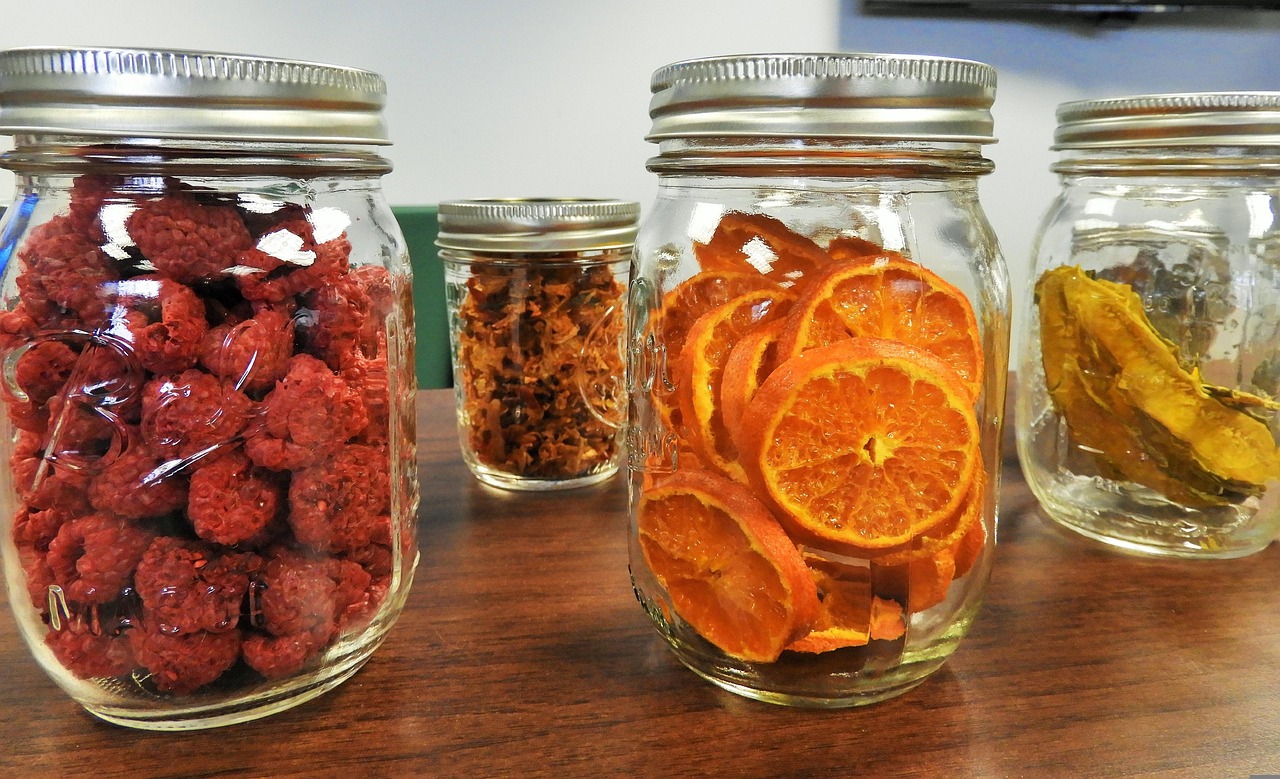
Dried fruits including mango, apricots, dates, and apple slices provide natural sweetness and fiber. They’re lightweight, compact, and satisfy sweet cravings without refined sugar. Mix with nuts for homemade trail mix combinations.
Freeze-dried vegetables retain nutritional value while eliminating weight and spoilage concerns. Add them to instant soups, noodle cups, or eat them as crunchy snacks. Options like peas, corn, and green beans rehydrate quickly with liquid.
Individual olive oil packets or small bottles of avocado oil add healthy fats to salads, cooked vegetables, or bread. They enhance flavor, increase satiety, and help absorb fat-soluble vitamins from your meals.
Strategic Packing: Maximizing Space and Freshness
How you pack matters as much as what you pack. Organize your gluten-free travel pantry using clear zippered bags that allow security screening without unpacking. Group items by category—breakfast, snacks, meal components—for quick access when hunger strikes.
Compress soft items like bread or tortillas in hard-sided containers to prevent crushing. Silicone reusable bags work exceptionally well for nuts, dried fruits, and opened packages, keeping foods fresh while reducing plastic waste.
Create a “first day” easily accessible pouch containing items you’ll need immediately upon arrival before you can shop or properly settle. Include ready-to-eat options requiring zero preparation like bars, jerky, and fruit.
Temperature-Sensitive Items
Insulated lunch bags with ice packs extend your options to include cheese sticks, hummus cups, and fresh fruits for day trips. These items don’t travel well long-term but enhance your pantry during the destination phase of your journey.
Plan to purchase perishables after arriving rather than packing them for flights. Research grocery stores, health food shops, and farmers markets near your accommodation where you can restock fresh gluten-free items.
🌍 Navigating International Travel with Gluten-Free Needs
International adventures present unique challenges for gluten-free travelers. Not all countries label allergens consistently, gluten-free awareness varies dramatically, and familiar brands may be unavailable. Your travel pantry becomes even more critical abroad.
Research destination-specific gluten-free resources before departure. Many countries have celiac associations with restaurant guides, safe food lists, and translation cards explaining your dietary needs in the local language. Download offline versions for areas with limited connectivity.
Pack more than you think you’ll need for international trips. Running low on safe foods in unfamiliar territory creates unnecessary stress. Extra provisions also provide buffer room for travel delays, illness, or difficulty finding appropriate replacements.
Apps That Make Gluten-Free Travel Easier 📱
Technology significantly simplifies gluten-free travel planning and execution. The Find Me Gluten Free app connects you with verified gluten-free restaurants, bakeries, and grocery stores worldwide based on community reviews and ratings.
Translation apps help communicate dietary restrictions clearly in foreign languages. Download phrase packs specific to food allergies and gluten-free requirements before traveling to areas where you don’t speak the language fluently.
Meal planning apps with gluten-free filters assist with creating shopping lists, planning simple meals in vacation rentals, and avoiding food waste during extended stays. Many offer offline functionality once initial data downloads complete.
Building Meals from Your Travel Pantry
A well-stocked travel pantry does more than provide emergency snacks—it enables you to construct complete, satisfying meals. Understanding basic combinations helps you eat well even with limited cooking facilities or no kitchen access.
No-Cook Meal Ideas
Combine canned tuna or salmon with gluten-free crackers, a piece of fruit, and individual nut butter packets for a protein-rich, balanced meal requiring zero preparation. Add portable vegetables like baby carrots or cherry tomatoes if available.
Create breakfast parfaits layering instant oatmeal with dried fruit, nuts, and a protein powder scoop in a reusable container. Add hot water for warm oatmeal or cold water and refrigerate overnight for cold oats.
Build wraps using gluten-free tortillas (if staying somewhere you can refrigerate them) filled with shelf-stable items like nut butter and banana, or hummus with dried vegetables rehydrated briefly.
Microwave Magic ✨
Hotel room microwaves expand your culinary possibilities considerably. Cook rice noodles in a microwave-safe container, drain, and toss with olive oil packets, freeze-dried vegetables, and seasoning blends from home.
Steam fresh vegetables purchased locally in microwave-safe bags, then enhance with your packed olive oil, salt, pepper, and herbs. Pair with protein bars broken into pieces for a surprisingly complete meal.
Prepare mug cakes using gluten-free baking mix packets, adding water according to package directions. Microwave for quick, warm treats satisfying dessert cravings without restaurant visits.
Special Considerations for Different Travel Styles
Your travel pantry should adapt to your specific adventure type. Road trippers have different needs than backpackers, cruise passengers face unique challenges compared to business travelers, and family vacations require distinct planning.
Road Trip Ready
Car travel offers the luxury of space, allowing coolers for perishables and bulk quantities of favorites. Pack a small electric kettle or portable cooker for hot water and simple cooking at rest stops or campsites.
Organize items in divided containers or small bins preventing rolling and spilling during transit. Keep frequently accessed snacks in front seat organizers for safe, easy reaching without distracted driving.
Backpacking and Adventure Travel 🎒
Weight matters critically for backpackers. Prioritize calorie-dense, lightweight options like nuts, nut butters, dried fruits, and dehydrated meals. Remove unnecessary packaging and repack in lighter bags to minimize load.
Invest in quality, leak-proof containers for any liquids like oils or sauces. A single spill can ruin electronics, clothing, and other food supplies. Double-bagging provides additional security.
Business Travel Efficiency
Frequent business travelers benefit from keeping a pre-packed kit ready to grab. Refresh perishables before each trip but maintain core shelf-stable items in a dedicated bag reducing packing time and forgotten essentials.
TSA-approved containers for any liquids, spreads, or condiments prevent security delays. Familiarize yourself with current regulations, which occasionally change and vary internationally.
🛡️ Avoiding Cross-Contamination on the Go
Packing gluten-free foods represents only half the safety equation. Preventing cross-contamination during preparation and consumption protects your health throughout travels. Always assume shared surfaces and utensils have contacted gluten unless proven otherwise.
Carry disposable plates, bowls, and utensils for situations where washing isn’t possible or shared kitchen tools pose contamination risks. Bamboo or compostable options align with eco-conscious travel values while protecting your health.
Pack small bottles of dish soap for washing fruits, vegetables, and your own reusable containers thoroughly. Hotel room sinks work adequately for basic dish washing when dedicated kitchen access isn’t available.
Antibacterial wipes clean surfaces before food preparation in shared spaces like hostel kitchens, Airbnb accommodations, or picnic areas. Create a clean zone for your gluten-free meal assembly.
Budget-Friendly Gluten-Free Travel Eating
Gluten-free specialty products often cost more than conventional options, but smart strategies keep travel food budgets reasonable. Buying in bulk before departure and repacking into travel portions saves significantly compared to airport or convenience store purchases.
Natural gluten-free whole foods like fruits, vegetables, eggs, plain yogurt, cheese, nuts, and rice cost less than processed gluten-free alternatives. Shop local markets at destinations for fresh, affordable produce complementing your packed pantry staples.
Preparing your own meals from travel pantry components costs a fraction of restaurant dining, even at casual establishments. Reserve dining out for special occasions or when you find verified gluten-free restaurants worth the investment.
Seasonal Adjustments for Your Travel Pantry 🌞❄️
Different seasons and climates require pantry adjustments. Summer heat melts chocolate, softens energy bars, and accelerates spoilage of certain items. Pack accordingly with heat-stable options and insulated bags for temperature-sensitive favorites.
Winter travel allows for less worry about melting but creates opportunities for warm, comforting foods. Hot cocoa mix, instant soup cups, and oatmeal become more appealing in cold climates. Pack extra if traveling to destinations with limited gluten-free options.
Tropical destinations with high humidity may require extra protection for crispy items like crackers and cereals. Silica gel packets in storage containers help maintain freshness and texture despite environmental challenges.
Restocking and Adapting While Traveling
Even the most thoroughly packed pantry eventually needs replenishment. Research gluten-free shopping options before departure, but remain flexible and open to discovering local naturally gluten-free foods at your destination.
Many cuisines feature traditional dishes that are naturally gluten-free—Mexican corn tortillas, Thai rice noodles, Indian lentil dishes, and Mediterranean grilled meats with rice. Exploring these options provides cultural experiences while meeting dietary needs.
Photograph labels of successful products discovered during travels for easier repurchasing or finding similar items in new destinations. Build a personal database of reliable gluten-free brands available in different regions.
🎉 Embracing Food Freedom Through Preparation
The ultimate goal of your gluten-free travel pantry isn’t just safety and sustenance—it’s food freedom. When you’re confident in your provisions and preparation, you can focus on experiences, connections, and adventures rather than constant food anxiety.
Start small if travel pantry planning feels overwhelming. Begin with a weekend trip, learn what works for your preferences and travel style, then expand for longer adventures. Each journey teaches valuable lessons about your ideal provisions.
Connect with other gluten-free travelers through online communities, forums, and social media groups. Share tips, product recommendations, and destination-specific advice. The gluten-free travel community offers tremendous support and insider knowledge.
Remember that perfection isn’t the goal—preparation is. Some meals will be simple, repetitive, or less exciting than you’d prefer. That’s okay. You’re nourishing your body safely while creating incredible memories and experiencing the world on your terms.
Your gluten-free travel pantry represents more than food—it symbolizes self-care, empowerment, and refusing to let dietary restrictions limit your adventures. Pack smart, eat safe, and savor every moment of your gluten-free travel journey! 🌍✈️