Navigating gluten-free dining while traveling or managing unexpected meal situations doesn’t have to be overwhelming or stressful for those with celiac disease or gluten sensitivity.

Whether you’re rushing through airports, stuck in unfamiliar neighborhoods, or facing last-minute meal emergencies, having a solid backup plan transforms anxiety into confidence. This comprehensive guide provides practical strategies, emergency solutions, and smart preparation techniques to ensure you’re never caught without safe, satisfying gluten-free options—no matter where life takes you.
🎒 Building Your Gluten-Free Emergency Kit
The foundation of stress-free gluten-free dining on the go starts with a well-stocked emergency food kit. This portable arsenal becomes your safety net when safe options aren’t readily available.
Your emergency kit should contain shelf-stable items that require minimal preparation and can withstand temperature variations. Think beyond simple snacks to include items that can serve as actual meal replacements when necessary.
Essential Items for Your Mobile Pantry
- Individual nut butter packets (almond, peanut, or sunflower seed butter)
- Gluten-free protein bars from trusted brands
- Rice cakes or gluten-free crackers in sealed packages
- Trail mix with verified gluten-free ingredients
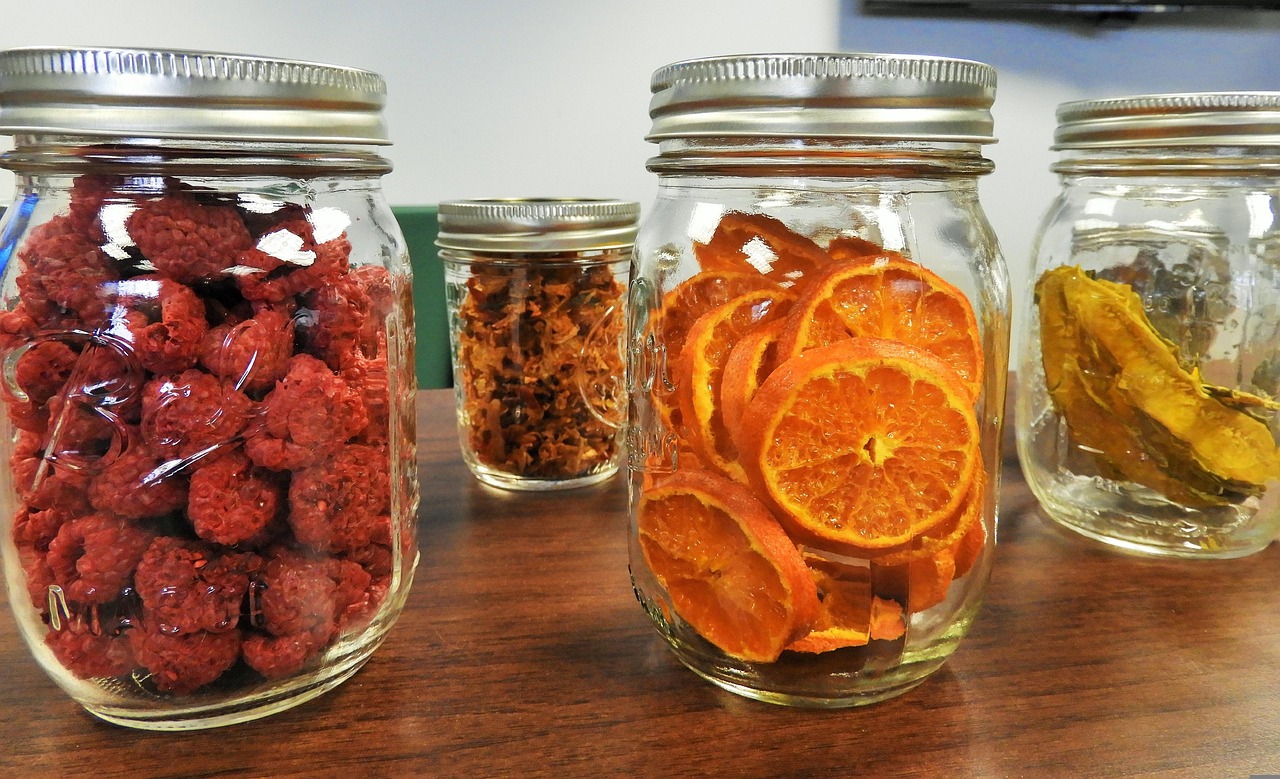
- Dried fruit packages without additives
- Shelf-stable tuna or chicken pouches
- Instant gluten-free oatmeal cups
- Dark chocolate squares (for morale and quick energy)
- Gluten-free electrolyte packets
- Disposable utensils and napkins
Keep this kit in your car, office desk, backpack, or carry-on luggage. Rotate items every few months to maintain freshness, and always check expiration dates before important trips.
📱 Technology Tools for Finding Safe Dining Options
Modern technology has revolutionized how people with dietary restrictions locate safe dining options. Several specialized apps help identify gluten-free restaurants, verify ingredients, and connect you with others who share similar dietary needs.
The Find Me Gluten Free app stands as one of the most comprehensive resources for locating gluten-free friendly restaurants worldwide. Users rate establishments based on their gluten-free offerings and cross-contamination prevention measures.
Beyond specialized apps, Google Maps has become increasingly valuable for finding gluten-free options. Simply search “gluten-free restaurants near me” to generate a map with reviews and menu information. Always cross-reference reviews specifically mentioning celiac safety rather than just trendy gluten-free options.
Leveraging Social Media for Real-Time Information
Instagram and Facebook groups dedicated to gluten-free living provide crowdsourced intelligence about safe dining spots. Local celiac support groups often maintain updated lists of trustworthy restaurants in your area.
Before traveling to new cities, post in location-specific gluten-free Facebook groups asking for recommendations. Members typically respond with detailed insights about which establishments truly understand cross-contamination protocols.
✈️ Airport and Air Travel Survival Strategies
Airports present unique challenges for gluten-free travelers, with limited options, time pressures, and unpredictable delays. Advance planning becomes absolutely critical in these environments.
Contact your airline at least 48 hours before departure to request gluten-free meals. Most major carriers offer this option, though quality varies significantly. Always pack backup food regardless of airline assurances, as mistakes happen frequently.
Airport Terminal Navigation Tips
Research your departure airport’s gluten-free options before arrival. Many airport websites now list dining options with dietary filter capabilities. Major chains like Chipotle, P.F. Chang’s, and certain sushi restaurants typically have locations in larger terminals with verified gluten-free protocols.
When time is tight, fresh fruit stands, plain yogurt cups, hard-boiled eggs, and pre-packaged salads with separate dressing become reliable options. Always read labels carefully, as airport convenience stores often carry individually wrapped gluten-free snacks.
If you have a layover exceeding two hours, venture beyond your immediate gate area. Larger terminals often house restaurants with more accommodating menus and staff trained in allergen awareness.
🚗 Road Trip and Car Travel Preparedness
Highway rest stops and gas station convenience stores rarely offer safe gluten-free prepared foods. Smart road warriors pack coolers with pre-made meals and strategic snacks for the journey.
Invest in a quality insulated cooler bag with ice packs. Pack sandwiches made with gluten-free bread, pre-washed vegetables with hummus, cheese sticks, gluten-free wraps with deli meat, and homemade salads in mason jars.
Restaurant Chain Reliability on the Road
Certain nationwide chains maintain consistent gluten-free protocols across locations, making them reliable emergency options during travel. These establishments typically provide online allergen menus and train staff on cross-contamination prevention.
| Restaurant Chain | Gluten-Free Options | Safety Rating |
|---|---|---|
| Chipotle | Bowls, salads, most proteins | High (avoid flour tortillas area) |
| Five Guys | Burgers without buns, fries | High (dedicated fryers) |
| Outback Steakhouse | Extensive gluten-free menu | Medium-High |
| P.F. Chang’s | Separate gluten-free menu | High |
| In-N-Out Burger | Protein style burgers | High |
Always verify current practices with individual locations, as protocols can change. Request manager confirmation of procedures when ordering, and specify your need for cross-contamination prevention.
🏨 Hotel and Accommodation Strategies
Selecting accommodations with in-room kitchen facilities dramatically expands your gluten-free dining flexibility. Extended stay hotels, Airbnb rentals, and suite hotels with kitchenettes allow meal preparation control.
Upon arrival in a new city, immediately locate the nearest grocery store with gluten-free options. Purchase basics like gluten-free bread, lunch meats, fresh produce, and breakfast items. This strategy guarantees safe meals regardless of restaurant availability.
Communicating with Hotel Staff
When booking accommodations, contact hotels directly to discuss gluten-free breakfast options if meals are included. Many properties now offer gluten-free alternatives, but advance notice ensures proper stocking.
Request refrigerator access if your room doesn’t include one. Most hotels accommodate this request free of charge when explained as a medical necessity. Some properties even provide microwaves upon request.
🍽️ Restaurant Communication Scripts That Work
Effective communication with restaurant staff makes the difference between safe meals and potential gluten exposure. Developing confident, clear communication scripts ensures your needs are understood without appearing demanding.
Avoid simply asking if items are “gluten-free” as this term means different things to different people. Instead, use specific language that addresses cross-contamination concerns and preparation methods.
Sample Restaurant Conversation Framework
Begin with: “I have celiac disease, which means I cannot have any gluten, wheat, barley, or rye, even in small amounts. I need to discuss preparation methods to avoid cross-contamination.”
Follow with specific questions: “Are your fries cooked in a dedicated fryer, or do you also fry breaded items in the same oil? Can the chef prepare my meal on a clean surface with clean utensils? Does this sauce contain any wheat-based thickeners or soy sauce?”
Request to speak with the manager or chef when staff members seem uncertain. Knowledgeable kitchen leadership typically appreciates detailed questions rather than viewing them as inconvenient.
Thank staff profusely for accommodating your needs and tip generously when restaurants handle your requirements professionally. This positive reinforcement encourages continued excellent service for future gluten-free diners.
🌍 International Travel Considerations
Navigating gluten-free dining in foreign countries requires additional research and preparation. Language barriers, different food cultures, and varying awareness of celiac disease create unique challenges.
Before international trips, learn key phrases in the local language. Print restaurant cards explaining your dietary requirements in the destination country’s language. The Celiac Travel website offers free downloadable cards in dozens of languages.
Countries With Strong Gluten-Free Infrastructure
Italy, despite being pasta-central, actually leads global gluten-free awareness due to widespread celiac disease recognition. Italian pharmacies stock extensive gluten-free products, and restaurants commonly offer “senza glutine” menu sections.
Ireland, Australia, and the United Kingdom maintain high celiac awareness with excellent labeling laws and restaurant accommodations. Scandinavian countries also demonstrate strong gluten-free infrastructure in urban areas.
Research local celiac organizations in your destination country. These groups often maintain restaurant databases and can provide location-specific guidance about navigating gluten-free dining locally.
💼 Business Travel and Professional Event Navigation
Corporate events, conferences, and business meals present diplomatic challenges when managing gluten-free requirements. Proactive communication prevents awkward situations and ensures adequate meal options.
When registering for conferences, always note dietary requirements in registration forms. Follow up with event organizers directly about specific meal plans for breaks and catered sessions.
Handling Business Dinners Gracefully
If colleagues select a restaurant, call ahead to review menu options before arrival. This advance reconnaissance allows you to identify safe choices without prolonging table discussions during the meal.
When hosting business meals, select restaurants you’ve previously vetted for gluten-free safety. This demonstrates leadership while ensuring your dietary needs are met without drawing excessive attention.
Always eat something small before business events where food safety is uncertain. This backup plan prevents hunger-driven poor decisions or the uncomfortable situation of sitting without food while others eat.
🎉 Social Gatherings and Special Events
Parties, weddings, and family gatherings often revolve around food, creating anxiety for those avoiding gluten. Strategic approaches maintain social connections while protecting your health.
Contact hosts privately before events to discuss menu plans. Offer to bring a gluten-free dish substantial enough to serve as your meal while sharing with others. This contribution adds value to the gathering rather than creating burden.
Wedding and Large Event Strategies
When receiving wedding invitations, respond immediately noting dietary requirements on RSVP cards. Follow up directly with the couple or event planner to confirm arrangements.
At seated dinners where special meals are served, discreetly verify with service staff that your plate is the designated gluten-free option. Mistakes happen frequently at large events with multiple dietary accommodations.
Keep emergency snacks in your car or bag during events. If served food appears unsafe or cross-contaminated, politely decline and access your backup options later without drawing attention.
🚨 Emergency Meal Solutions for Unexpected Situations
Sometimes despite perfect planning, you’ll face situations with zero safe food options. Having mental backup plans for true emergencies prevents panic and poor decisions.
Grocery stores and supermarkets become emergency restaurants. The perimeter sections offer numerous naturally gluten-free options: rotisserie chicken, pre-washed salads, fresh fruit, hard-boiled eggs, cheese, deli meat, and vegetables with hummus.
Convenience Store Survival Guide
Even basic convenience stores stock surprisingly viable gluten-free emergency options when you know what to look for. Plain potato chips (verify ingredients), nuts, fresh fruit, string cheese, hard-boiled eggs, and certain candy bars provide sustenance until better options become available.
Pharmacies often stock gluten-free protein bars and snacks in their health food sections. Chain drugstores like CVS and Walgreens increasingly carry dedicated gluten-free product lines.
🧠 Mental Preparation and Stress Management
The psychological aspect of gluten-free dining in unpredictable situations deserves attention. Anxiety about food safety can diminish travel enjoyment and create unnecessary stress.
Reframe your perspective from restriction to empowerment. Your advance planning and backup systems actually provide more food security than most people experience during travel disruptions.
Build confidence through practice. Start with short local trips testing your emergency systems before embarking on complex international travel. Each successful navigation strengthens your problem-solving abilities.
Connect with online gluten-free communities for support and advice. Knowing others successfully manage similar challenges provides reassurance and practical wisdom from experienced travelers.
🔄 Adapting Your Plan for Different Scenarios
Your gluten-free backup plan shouldn’t remain static. Different situations require different approaches, and flexible thinking serves better than rigid protocols.
For day trips, a small kit with protein bars and fruit suffices. Week-long travel demands more comprehensive planning with grocery store reconnaissance and restaurant research. International adventures require language cards, medication preparations, and extensive advance coordination.
Learn from each experience. Keep notes about which strategies worked well and which fell short. This continuous improvement approach refines your system into an increasingly effective personal protocol.
Weather conditions affect food storage options. Summer heat requires different planning than winter travel, particularly regarding perishable items in vehicle storage. Adjust your emergency kit contents seasonally for optimal safety and palatability.

🎯 Creating Your Personalized Action Plan
Transform these strategies into your customized gluten-free dining backup system. Begin by assembling your emergency kit this week, then progressively add layers of preparation for increasingly complex travel scenarios.
Document restaurants in your frequent travel destinations that have proven safe and accommodating. Create a personal database accessible via phone notes or a dedicated app, rating establishments based on actual experience rather than generic reviews.
Schedule quarterly reviews of your emergency supplies, technology tools, and preparation strategies. Update outdated information, replace expired food items, and incorporate new resources as the gluten-free dining landscape continues improving.
Share your knowledge with newly diagnosed friends and family members. Teaching others reinforces your own expertise while building a supportive community that benefits everyone navigating gluten-free living. The confidence gained from thorough preparation transforms dietary restrictions from limitations into manageable lifestyle elements that no longer constrain your adventures or opportunities. 🌟