Exploring gluten-free vegetarian cuisine from around the world opens a universe of flavor, color, and nutrition that celebrates both dietary needs and cultural diversity.

Whether you’re managing celiac disease, gluten sensitivity, or simply choosing a plant-based lifestyle, the intersection of vegetarian and gluten-free cooking doesn’t mean compromise. Instead, it invites creativity and discovery, allowing you to experience authentic dishes from Mediterranean coastlines to Asian street markets, all adapted to nourish your body while delighting your palate. The beauty of global cuisines lies in their natural abundance of gluten-free grains, legumes, vegetables, and spices that have sustained civilizations for millennia.
🌍 The Global Pantry: Essential Gluten-Free Ingredients
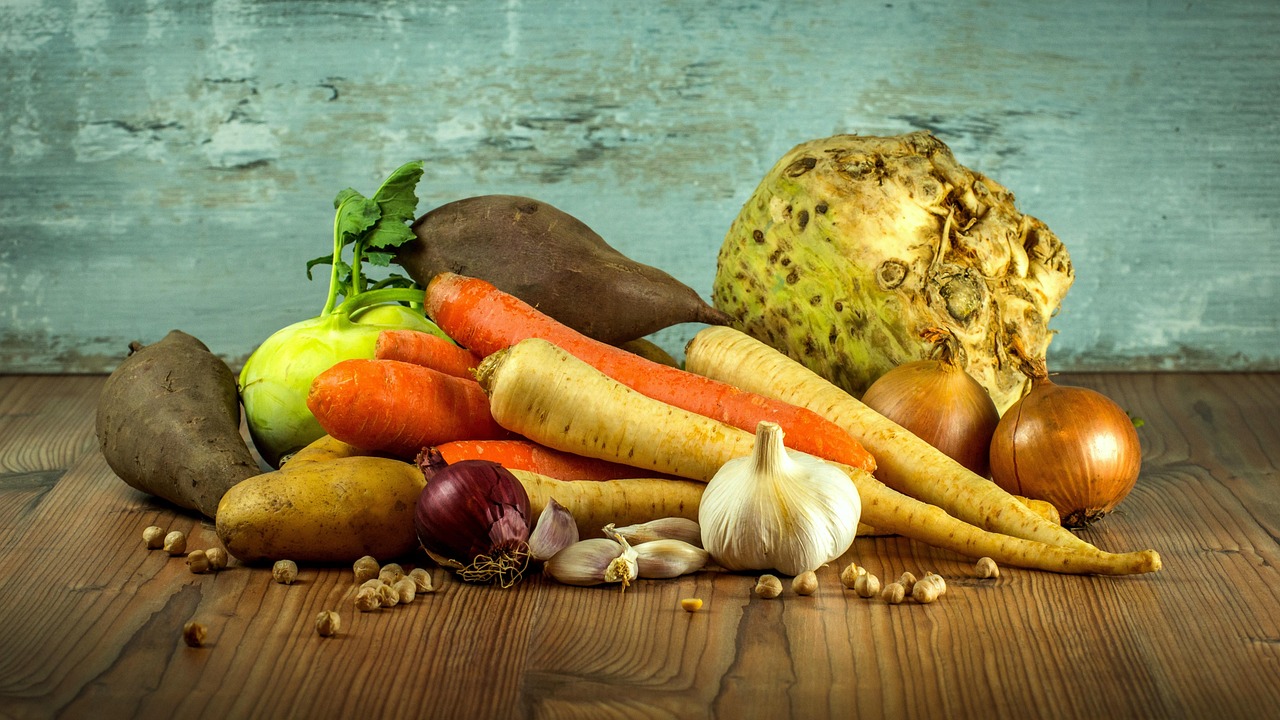
Before embarking on your culinary journey around the world, understanding the foundation of gluten-free vegetarian cooking is essential. Many traditional cuisines naturally incorporate gluten-free staples, making adaptation surprisingly simple and authentic.
Rice stands as the cornerstone of countless cultures, from jasmine rice in Thailand to arborio in Italy and basmati in India. Quinoa, the ancient Incan superfood, provides complete protein while remaining entirely gluten-free. Corn-based products like polenta, tortillas, and masa offer versatility across Latin American and Italian cuisines.
Legumes form the protein backbone of vegetarian cooking worldwide. Chickpeas fuel Middle Eastern favorites, black beans anchor Mexican cuisine, lentils define Indian dal, and soybeans transform into countless Asian delicacies. These nutrient powerhouses require no modification for gluten-free diets.
Naturally gluten-free flours expand your baking and cooking possibilities. Chickpea flour creates Indian pakoras and socca from Nice. Rice flour forms the base of Vietnamese bánh and Japanese mochi. Almond flour brings richness to Mediterranean desserts, while coconut flour adds tropical notes to Southeast Asian sweets.
🇮🇳 Indian Inspirations: Spice-Laden Vegetarian Treasures
Indian cuisine offers perhaps the world’s most extensive repertoire of naturally gluten-free vegetarian dishes. With religious and cultural traditions emphasizing plant-based eating for centuries, Indian cooking has perfected the art of transforming humble vegetables and legumes into extraordinary meals.
Chana masala exemplifies this brilliance—chickpeas simmered in a tomato-based sauce fragrant with garam masala, cumin, coriander, and turmeric. Served over basmati rice or with naturally gluten-free rice-based dosas, this protein-rich dish satisfies completely. The key lies in building layers of flavor through proper spice toasting and slow simmering.
Dal, the ubiquitous lentil stew, comes in countless regional variations. Red lentil dal cooks quickly into creamy comfort, while tadka dal features a dramatic finishing technique where spices sizzle in hot ghee before pouring over the dish. Pair with rice and vegetable sides like baingan bharta (smoky roasted eggplant) or aloo gobi (potato and cauliflower curry).
For breads, replace wheat-based naan with gluten-free alternatives. Rice flour dosas provide crispy, fermented wraps perfect for fillings. Chickpea flour pakoras and bhajis deliver satisfying crunch as appetizers or snacks. The naturally gluten-free nature of most Indian vegetarian cooking means minimal adaptation with maximum flavor.
🇲🇽 Mexican Magic: Corn-Based Culinary Heritage
Mexican cuisine’s foundation in corn rather than wheat makes it inherently gluten-free friendly. Thousands of years of Mesoamerican agricultural tradition centered on maize, beans, and squash—the “three sisters” that sustained civilizations and continue to inspire contemporary cooking.
Tacos become completely gluten-free when using corn tortillas, the traditional choice. Fill them with black bean and sweet potato mixtures, grilled vegetables with pepitas, or mushroom and poblano combinations. Top with fresh salsa, guacamole, pickled onions, and cilantro for authentic street food experience at home.
Pozole, the ceremonial hominy stew, transforms into a vegetarian masterpiece by substituting vegetable broth and adding extra beans, mushrooms, and vegetables. The hominy (nixtamalized corn) provides hearty texture while remaining naturally gluten-free. Garnish lavishly with shredded cabbage, radishes, lime, oregano, and chile powder.
Enchiladas wrapped in corn tortillas and smothered in red or green chile sauce showcase how gluten-free vegetarian food can satisfy deeply. Fill with cheese and vegetables, or create vegan versions using cashew cream and nutritional yeast. Serve alongside cilantro-lime rice and refried beans for a complete feast.
🇮🇹 Mediterranean Marvels: Italian Gluten-Free Adaptations
While pasta dominates perceptions of Italian cuisine, the Mediterranean diet offers abundant gluten-free vegetarian options rooted in regional traditions predating modern wheat cultivation.
Risotto stands as Italy’s gift to gluten-free cooking—creamy, luxurious, and infinitely variable. Arborio rice slowly absorbs vegetable broth while constant stirring releases starches that create signature creaminess. Classic variations include risotto alla milanese with saffron, mushroom risotto with porcini, and spring vegetable risotto with asparagus and peas.
Polenta, another northern Italian staple, provides versatile gluten-free comfort. Serve it soft and creamy topped with ratatouille, or allow it to firm, then slice and grill for textural contrast. Layer polenta with tomato sauce and cheese for a gluten-free lasagna alternative that honors Italian traditions.
For pasta lovers, gluten-free alternatives have evolved dramatically. Brown rice pasta, chickpea pasta, and lentil pasta now deliver texture and taste approaching traditional wheat versions. Toss with simple preparations like aglio e olio (garlic and olive oil), marinara with fresh basil, or primavera loaded with seasonal vegetables.
Italian salads like caprese (tomatoes, mozzarella, basil) and panzanella (using gluten-free bread) celebrate simple ingredients at peak freshness. Minestrone soup, built on vegetable broth, beans, and vegetables, satisfies without requiring any gluten-containing ingredients.
🇹🇭 Thai Temptations: Balance and Brightness
Thai cuisine’s emphasis on rice, vegetables, and balanced flavors makes it naturally accommodating for gluten-free vegetarian eating. The challenge lies in avoiding hidden gluten in soy sauce and fish sauce, easily solved with gluten-free tamari and creative substitutions.
Pad Thai can become completely gluten-free and vegetarian by using rice noodles (traditionally correct), gluten-free tamari, and omitting fish sauce in favor of extra tamarind paste and salt. Load it with tofu, bean sprouts, scallions, and peanuts, finishing with lime and fresh cilantro for that essential sweet-sour-salty-spicy balance.
Thai curries—red, green, yellow, and massaman—built on coconut milk and curry paste, accommodate gluten-free vegetarian diets beautifully. Verify curry pastes contain no shrimp paste or fish sauce, or make your own from scratch using fresh aromatics, chilies, and spices. Load curries with vegetables like eggplant, bamboo shoots, bell peppers, and green beans, serving over jasmine rice.
Som tam (green papaya salad) delivers explosive flavor without gluten when prepared with tamari instead of fish sauce. The combination of shredded papaya, tomatoes, long beans, peanuts, lime, and chilies creates addictive sweet-spicy-tangy freshness that complements richer dishes.
🇱🇧 Middle Eastern Mezze: Small Plates, Big Flavors
Middle Eastern cuisine celebrates communal eating through mezze—small plates designed for sharing. Many traditional dishes naturally fit gluten-free vegetarian parameters, creating perfect opportunities for diverse, satisfying meals.
Hummus, the beloved chickpea spread, requires only chickpeas, tahini, lemon, garlic, and olive oil. Serve with vegetable crudités or gluten-free crackers rather than pita. Experiment with variations like roasted red pepper hummus, beet hummus, or herb-laden hummus topped with pine nuts and paprika oil.
Baba ganoush showcases smoky roasted eggplant blended with tahini and lemon into silky luxury. Muhammara, the Syrian red pepper and walnut dip, brings sweet-tangy complexity with pomegranate molasses. Pair these with gluten-free flatbreads or serve over salad greens.
Falafel traditionally contains wheat flour as a binder, but chickpea flour or rice flour substitutes effectively. These crispy fritters, when properly spiced with cumin, coriander, and fresh herbs, satisfy completely. Serve in lettuce wraps with tahini sauce, pickled vegetables, and fresh tomatoes.
Tabbouleh requires modification since traditional versions emphasize bulgur wheat. Create gluten-free versions using quinoa as the grain base, maintaining the generous quantities of fresh parsley, mint, tomatoes, and lemon dressing that define this refreshing salad.
🇯🇵 Japanese Journeys: Simplicity and Precision
Japanese cuisine’s aesthetic of simplicity and ingredient focus aligns beautifully with gluten-free vegetarian cooking, though soy sauce requires attention to ensure gluten-free certification.
Sushi rolls become gluten-free vegetarian celebrations when filled with avocado, cucumber, pickled radish, asparagus, and shiitake mushrooms. Use gluten-free tamari for dipping. Inari sushi—rice stuffed in sweetened tofu pockets—offers portable, satisfying bites when prepared with gluten-free ingredients.
Miso soup forms the foundation of Japanese meals. While miso itself is gluten-free, verify that barley hasn’t been added during fermentation. Float silken tofu, wakame seaweed, and scallions in the savory broth for traditional breakfast or accompaniment to larger meals.
Vegetable tempura achieves light, crispy perfection using rice flour and sparkling water in the batter. Fry sweet potato, eggplant, shiitake mushrooms, and shiso leaves, serving with gluten-free dipping sauce made from tamari, mirin, and dashi.
Japanese rice bowls (donburi) adapt easily to gluten-free vegetarian needs. Top short-grain rice with teriyaki tofu, pickled vegetables, edamame, and sesame seeds for complete, balanced meals that showcase umami depth.
🥘 Ethiopian Excellence: Teff and Tradition
Ethiopian cuisine offers unique gluten-free advantages through its use of teff, the ancient grain that forms injera flatbread. While injera requires fermentation and practice, Ethiopian stews (wots) easily adapt to gluten-free vegetarian cooking.
Misir wot, the beloved red lentil stew, simmers lentils with berbere spice blend, onions, garlic, and tomatoes into thick, warming comfort. The complex spice mixture—containing chili, fenugreek, cardamom, coriander, and more—creates layers of flavor that develop through slow cooking.
Gomen (collard greens) and tikil gomen (cabbage and carrots) provide vegetable accompaniments seasoned with ginger, garlic, and turmeric. Atakilt wot combines potatoes, carrots, and green beans in gently spiced harmony. These dishes traditionally serve on injera, which acts as both plate and utensil.
For home cooks, finding authentic teff flour and mastering injera fermentation presents challenges. Serve Ethiopian stews over rice or quinoa, or source certified gluten-free injera from specialty producers. The stews themselves remain the stars, offering profound satisfaction regardless of accompaniment.
🌶️ Building Your Gluten-Free Spice Collection
Global cooking requires a well-stocked spice cabinet. These ingredients remain naturally gluten-free while transforming simple vegetables and grains into international experiences:
- Cumin, coriander, and turmeric anchor Indian and Middle Eastern cooking
- Smoked paprika, oregano, and cumin define Mexican and Spanish flavors
- Star anise, five-spice powder, and white pepper characterize Chinese cuisine
- Lemongrass, galangal, and kaffir lime represent Thai aromatics
- Za’atar, sumac, and baharat bring Middle Eastern complexity
- Gochugaru (Korean chili flakes) and gochujang (verify gluten-free) add Korean heat
Purchase whole spices when possible, toasting and grinding them fresh to maximize flavor. Store in airtight containers away from light and heat. Replace ground spices annually as potency fades.
🍽️ Meal Planning for Global Gluten-Free Eating
Creating weekly meal plans around global gluten-free vegetarian cuisine prevents monotony while ensuring nutritional balance. Consider organizing by geographic region or mixing cultures throughout the week.
Batch cooking forms the foundation of efficient meal planning. Prepare large quantities of base grains like rice, quinoa, and polenta on weekends. Cook dried beans in the pressure cooker or slow cooker, storing portions for quick weeknight meals. Many sauces and curry bases freeze excellently, providing instant flavor foundations.
Balance protein sources throughout the week, rotating between legumes, tofu, tempeh, and nuts. Ensure adequate variety in vegetables, targeting colorful diversity that provides different nutrients. Include fermented foods like kimchi, sauerkraut, or yogurt to support digestive health.
International grocery stores expand ingredient access dramatically. Asian markets stock rice noodles, curry pastes, and exotic vegetables. Latin markets offer corn products, dried chilies, and authentic spices. Middle Eastern grocers provide tahini, pomegranate molasses, and unique grains. Building relationships with specialty stores opens culinary possibilities.
🎯 Navigating Restaurants and Travel
Enjoying gluten-free vegetarian global cuisine extends beyond home cooking. Restaurant dining requires communication and knowledge, but many cuisines naturally accommodate these dietary needs.
Indian restaurants typically offer extensive vegetarian menus, with many dishes naturally gluten-free. Avoid bread and fried items with wheat coatings. Mexican restaurants provide corn tortillas instead of flour, though cross-contamination requires vigilance. Thai restaurants accommodate easily once you specify gluten-free soy sauce.
Learn key phrases in different languages: “sin gluten” (Spanish), “senza glutine” (Italian), “gluten-free” transliterates in many Asian languages. Restaurant cards explaining your dietary needs in multiple languages prove invaluable when traveling internationally.
🌟 Embracing the Journey
Gluten-free vegetarian cooking inspired by global cuisines represents more than dietary restriction—it’s an invitation to culinary adventure. Each region’s traditional foods evolved over centuries, optimized for local ingredients, climate, and culture. Many naturally exclude gluten and animal products, making them perfect templates for contemporary dietary needs.
Start with cuisines that feel familiar, gradually expanding your comfort zone. Master a few dishes from each culture before moving forward. Build confidence with techniques like proper spice toasting, achieving perfect rice texture, and balancing sweet-sour-salty-spicy elements that define different culinary traditions.
Connect with online communities focused on gluten-free vegetarian cooking for recipe inspiration, troubleshooting advice, and encouragement. Food blogs, cooking channels, and social media groups provide endless resources from people navigating similar dietary paths.
Remember that authenticity matters less than deliciousness and nutrition. While respecting traditional techniques and flavors, don’t hesitate to adapt recipes to your preferences, available ingredients, and dietary requirements. The goal isn’t museum-piece recreation but rather drawing inspiration from global traditions to create satisfying, healthful meals that celebrate both constraint and abundance.
The intersection of gluten-free and vegetarian cooking, viewed through the lens of international cuisine, reveals not limitation but liberation. From Indian curries to Mexican tacos, Italian risottos to Thai noodles, the world offers endless possibilities for those willing to explore. Each meal becomes a journey, each ingredient a passport stamp, each technique a cultural connection that transcends borders and brings the world’s flavors to your table.