Living gluten-free doesn’t have to mean living in chaos. A well-organized pantry can transform your daily cooking routine from stressful to seamless, giving you peace of mind every time you reach for an ingredient.

Whether you’re newly diagnosed with celiac disease, managing gluten sensitivity, or simply choosing a gluten-free lifestyle for wellness reasons, your kitchen setup can make or break your success. The right organizational system eliminates cross-contamination risks, reduces food waste, and helps you actually enjoy preparing meals again. Let’s dive into creating a pantry that works as hard as you do.
Why Your Gluten-Free Pantry Deserves Special Attention 🎯
A gluten-free pantry isn’t just about swapping regular pasta for rice noodles. It requires thoughtful planning to prevent cross-contamination, especially if you share your kitchen with gluten-eating family members. Even trace amounts of gluten can trigger reactions in sensitive individuals, making organization a health necessity rather than just a convenience.
Beyond safety concerns, an organized gluten-free pantry saves money. When you can see exactly what you have, you avoid duplicate purchases of specialty items that often carry premium price tags. You’ll also reduce waste by rotating stock properly and keeping track of expiration dates on those gluten-free flours that have shorter shelf lives than their wheat-based counterparts.
The Foundation: Essential Gluten-Free Staples
Every well-stocked gluten-free pantry starts with versatile staples that form the backbone of countless recipes. These items should occupy prime real estate in your storage space, easily accessible and clearly labeled.
Flours and Baking Essentials
Gluten-free baking requires a variety of flours to achieve the right texture and flavor. Stock your pantry with almond flour, coconut flour, rice flour (both white and brown), tapioca starch, and potato starch. Consider pre-mixed gluten-free flour blends for convenience, but having individual flours gives you more recipe flexibility.
Don’t forget xanthan gum or guar gum—these binding agents replace the elasticity that gluten normally provides. Baking powder and baking soda should always be certified gluten-free, as some brands may contain wheat-derived additives.
Grains and Pasta Alternatives
Stock multiple varieties of rice: white, brown, jasmine, and basmati for different culinary applications. Quinoa, both white and red, provides complete protein and cooks quickly. Add certified gluten-free oats, millet, buckwheat, and amaranth to diversify your grain rotation.
For pasta lovers, maintain a selection including rice pasta, corn pasta, chickpea pasta, and lentil pasta. Each type has unique cooking properties and nutritional profiles, so variety ensures you never get bored.
The Container Strategy That Changes Everything 📦
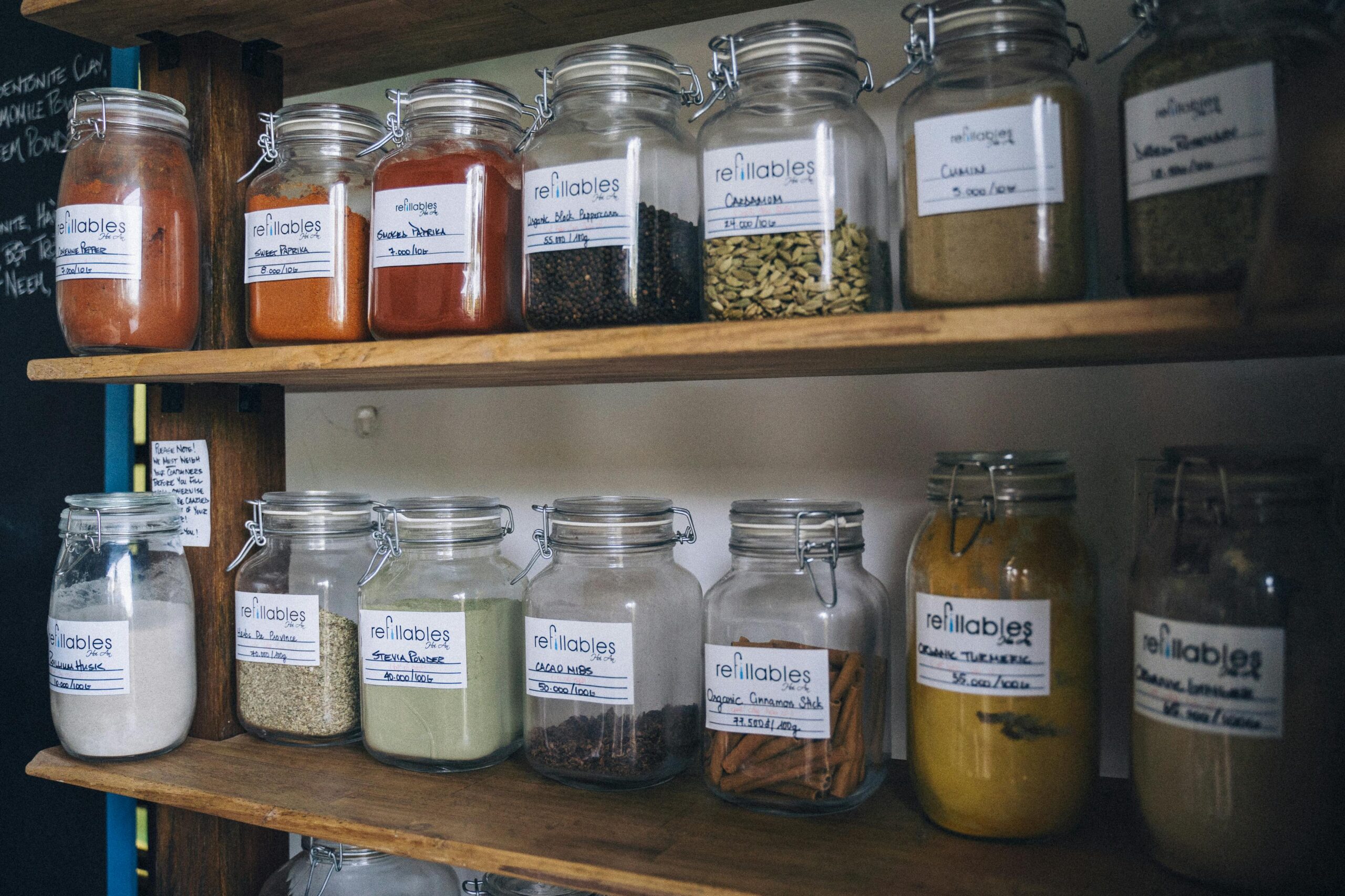
Proper storage containers aren’t optional—they’re essential insurance against cross-contamination and ingredient spoilage. Invest in airtight, clearly labeled containers that keep moisture, pests, and stray gluten particles away from your safe foods.
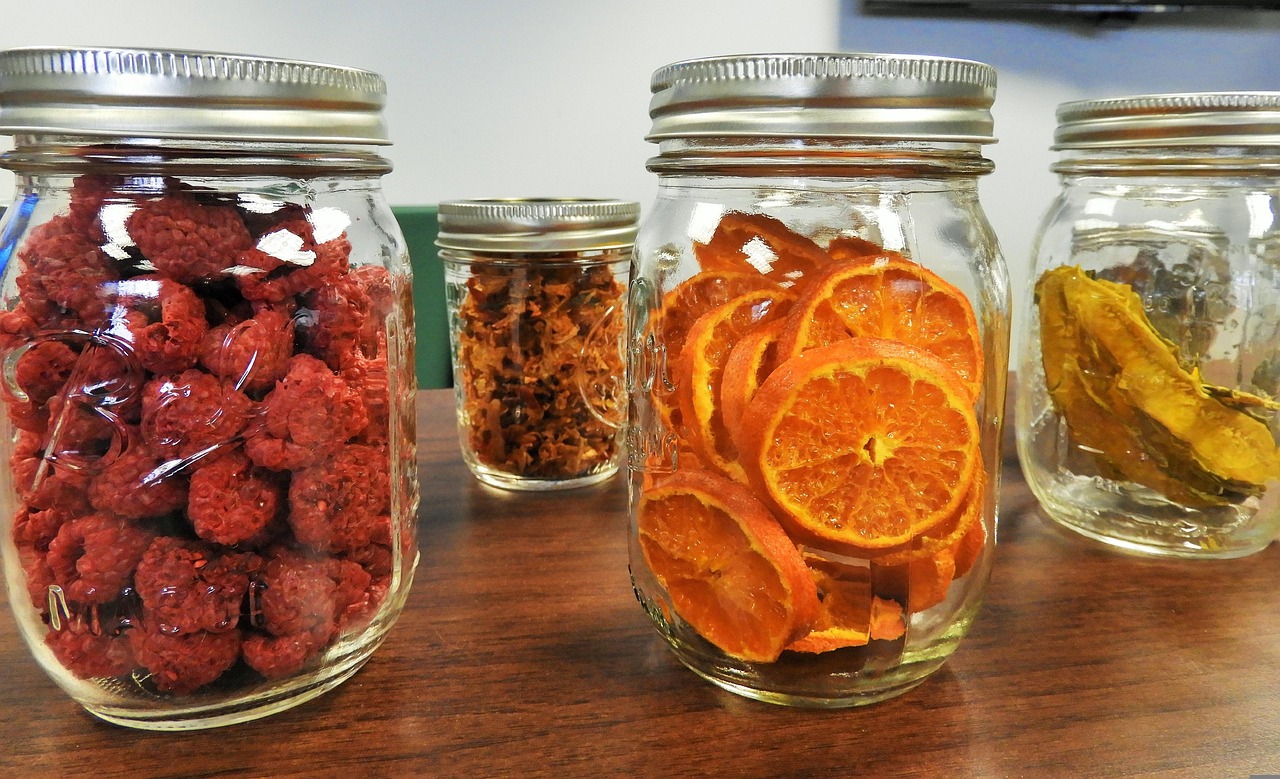
Glass containers with secure lids work beautifully for flours and grains, allowing you to see contents at a glance. Choose square or rectangular shapes that maximize shelf space compared to round containers. For bulk items like rice or oats, larger containers prevent frequent restocking.
Label everything with both the contents and the purchase or decant date. This simple practice helps with stock rotation and ensures you use items before they lose freshness. Consider color-coding labels—green for safe gluten-free items, red for any questionable products awaiting verification.
Zone Planning: Creating Your Gluten-Free Safe Space
If your household includes both gluten-free and gluten-containing foods, establishing clear zones prevents dangerous mix-ups. Designate specific shelves or cabinet sections exclusively for gluten-free items, preferably at eye level where they’re easiest to access.
Place gluten-free items on upper shelves if possible, reducing the risk of contamination from crumbs or spills from gluten-containing foods above. In shared kitchens, consider dedicated storage bins or baskets that create physical barriers between safe and unsafe foods.
The High-Priority Zone
Reserve your most accessible space for daily-use items: cooking oils, frequently used spices, everyday grains, and go-to snacks. This prime real estate should house items you reach for multiple times per week, minimizing search time during busy meal preparation.
The Backup Supply Area
Designate a separate zone for backup supplies and bulk purchases. Since many gluten-free specialty items aren’t available everywhere, maintaining reserves of favorites provides peace of mind. This area can be less accessible—higher shelves or even separate storage spaces work well.
Condiments, Sauces, and Flavor Builders ✨
Many conventional condiments harbor hidden gluten in thickeners, malt vinegar, or soy sauce bases. Build a collection of verified gluten-free versions that add excitement to your cooking without the worry.
Stock tamari or certified gluten-free soy sauce, gluten-free Worcestershire sauce, and various vinegars (avoid malt vinegar). Hot sauces vary—read labels carefully as some contain wheat-based thickeners. Keep gluten-free broths and stocks on hand, along with tomato products, which are naturally gluten-free but should be verified for added ingredients.
Create a spice station with clearly labeled jars. While pure spices are gluten-free, blends may contain wheat-based anti-caking agents or filler ingredients. Purchase from reputable companies that test for gluten cross-contamination in their facilities.
Snacks and Quick Fixes for Busy Days
Life gets hectic, and having grab-and-go options prevents desperate decisions that might compromise your gluten-free commitment. Stock your pantry with satisfying snacks that require zero preparation.
Nuts and seeds provide protein-rich energy. Include almonds, cashews, walnuts, sunflower seeds, and pumpkin seeds in both raw and roasted varieties. Nut butters—almond, cashew, and sunflower seed—offer versatility for spreading or cooking.
Gluten-free crackers, rice cakes, and popcorn satisfy crunchy cravings. Dark chocolate chips or bars (verify gluten-free status) provide quick treats. Dried fruits like dates, apricots, and raisins add natural sweetness to snacks or recipes.
The Inventory System That Actually Works 📝
Maintaining a pantry inventory prevents both shortages and overstock situations. Choose a system that matches your lifestyle—from simple handwritten lists to sophisticated apps that track everything digitally.
Conduct monthly pantry audits, checking expiration dates and noting items running low. Gluten-free products often have shorter shelf lives due to lack of preservatives, making regular checks especially important. Move older items to the front, practicing first-in-first-out rotation.
Create a running shopping list posted on your pantry door or maintained on your phone. When you open the last package of an item, immediately add it to the list. This proactive approach ensures you never run out of essentials.
Baking Station Setup for Gluten-Free Success
Gluten-free baking demands more ingredients than traditional baking, so organization becomes crucial. Group all baking supplies together, creating a dedicated zone that makes recipe preparation efficient.
Store flours in clearly labeled containers with measuring cups inside for convenience. Keep binders (xanthan gum, psyllium husk), leaveners, sugars, chocolate chips, and vanilla extract together. Consider a lazy Susan for small items like food coloring, extracts, and specialty ingredients.
Maintain separate measuring cups and spoons exclusively for gluten-free use if your kitchen handles both types of flour. Even thorough washing can leave microscopic gluten particles that affect sensitive individuals.
Smart Shopping Strategies for Pantry Maintenance 🛒
Building and maintaining a gluten-free pantry requires strategic shopping. Buy shelf-stable staples in bulk when prices drop, but avoid over-purchasing items with limited shelf life. Gluten-free flours, for instance, can go rancid quickly due to higher fat content.
Research which stores in your area carry the best selection of gluten-free products at competitive prices. Specialty health food stores often stock hard-to-find items, while mainstream grocers increasingly offer gluten-free sections. Online retailers provide access to products not available locally.
Join loyalty programs at stores where you shop regularly—many offer special discounts on gluten-free items. Sign up for newsletters from gluten-free brands to receive coupons and new product announcements.
Dealing with Cross-Contamination Concerns
Cross-contamination remains the biggest challenge in shared kitchens. Beyond dedicated storage zones, implement practices that protect your gluten-free foods from accidental exposure.
Never use the same containers for gluten and gluten-free items, even after washing. Porous materials like wood and plastic can harbor gluten particles. Dedicate specific utensils, cutting boards, and small appliances (like toasters) exclusively for gluten-free use.
Store spreads like butter, jam, and peanut butter in separate containers for gluten-free use. Knives that touched glutenous bread introduce contamination that affects everyone using that container. Consider squeeze bottles for condiments when possible.
Seasonal Adjustments and Pantry Refresh
Your pantry needs evolve throughout the year. Summer brings fresh produce that reduces reliance on pantry items, while winter demands heartier stored foods. Adjust your stock accordingly, preventing waste while ensuring seasonal favorites are always available.
Conduct quarterly deep cleans, removing everything from shelves, wiping down surfaces, and checking for expired items hiding in back corners. This practice reveals forgotten ingredients and reminds you of items to incorporate into upcoming meal plans.
Use seasonal sales to stock up on expensive specialty items. Many stores discount gluten-free products during celiac awareness month (May) or offer back-to-school promotions on lunch box staples.
Emergency Preparedness: The Ready Pantry 🚨
Maintain a section of long-lasting gluten-free foods for emergencies or unexpectedly busy weeks. Canned beans, stable plant milks, rice, pasta, jarred sauces, and nut butters provide meal foundations when fresh ingredients aren’t available.
Rotate these items regularly to prevent expiration, incorporating them into normal meal planning every few months. Replenish immediately after use to maintain your emergency reserve. This system ensures you always have safe food options regardless of circumstances.
Teaching Others About Your Gluten-Free Space
If you share your kitchen, everyone needs to understand the importance of your organizational system. Take time to explain which areas are strictly gluten-free, why cross-contamination matters, and how they can help maintain safety.
Create simple visual guides—color-coded labels, posted rules, or even photos showing proper storage. Make it easy for others to do the right thing by clearly marking safe and unsafe zones. When everyone understands the system, maintenance becomes a shared responsibility.
Maximizing Small Pantry Spaces
Limited storage space requires creative solutions. Use vertical space with shelf risers that double your usable surface area. Install door-mounted racks for spices, oils, or snacks. Stackable containers maximize every inch while keeping items organized and accessible.
Under-shelf baskets create additional storage without installation. Lazy Susans in corner cabinets make everything reachable. Pull-out drawers in lower cabinets prevent items from disappearing into dark depths where they’re forgotten and wasted.
Purge ruthlessly—if you haven’t used an ingredient in six months, donate it (if unopened) or discard it. Specialty ingredients for that one recipe you never made again just occupy valuable real estate better used for everyday staples.
The Living Document: Your Pantry Master List
Create a comprehensive list of your ideal pantry contents, divided by category. This master list becomes your restocking guide, ensuring nothing essential is forgotten during shopping trips. Update it as your cooking style evolves and you discover new favorite ingredients.
Include minimum quantities for each item—when rice drops below two pounds, add it to your shopping list. This threshold approach prevents complete depletion of staples you use regularly. Note preferred brands for items where quality or gluten-free certification matters significantly.
Celebrating Your Organized Achievement 🎉
An organized gluten-free pantry represents more than neat shelves—it’s freedom from food-related anxiety, confidence in every ingredient you use, and time saved during meal preparation. Your system reduces decision fatigue by making suitable options immediately visible and accessible.
As your organizational skills develop, cooking becomes creative again rather than stressful. You’ll experiment with new recipes knowing exactly what ingredients you have available. Meal planning happens faster when you can see your options at a glance.
Maintenance requires ongoing effort, but the investment pays dividends in reduced stress, better health outcomes, and genuine enjoyment of your gluten-free lifestyle. Your kitchen becomes a place of nourishment and creativity rather than a source of worry.
Remember that perfection isn’t the goal—functionality is. Your system should work for your specific needs, household size, and cooking habits. Adjust these guidelines to create a pantry that serves you well, making gluten-free living not just manageable but genuinely enjoyable every single day.