Walking down the snack aisle can feel overwhelming when you’re bombarded with colorful packages and bold health claims. Understanding what’s really inside your favorite treats is crucial for making informed choices that support your wellbeing and dietary goals.

Today’s snack labels contain a wealth of information, but decoding them requires knowledge and practice. From mysterious ingredient lists to confusing nutritional percentages, many consumers struggle to distinguish genuinely healthy options from cleverly marketed junk food. This comprehensive guide will transform you into a savvy label reader who can confidently select snacks that align with your health priorities.
🔍 Understanding the Anatomy of a Snack Label
Every packaged snack contains standardized nutrition information designed to help consumers make informed decisions. The Nutrition Facts panel serves as your roadmap to understanding what you’re putting into your body. This rectangular box typically appears on the back or side of packaging and contains critical data about serving sizes, calories, and nutrient content.
The serving size sits at the very top of the label and represents the foundation for all other nutritional information. Manufacturers determine serving sizes based on reference amounts, but these don’t always reflect how much people actually consume in one sitting. A small bag of chips might claim to contain 2.5 servings, meaning you’ll need to multiply all nutritional values by 2.5 if you eat the entire bag.
Directly below the serving size, you’ll find the number of servings per container, followed by calories per serving. This calorie count tells you the energy you’ll receive from one serving, but remember that calories alone don’t tell the complete nutritional story. A 200-calorie snack made from nuts provides vastly different nutritional value compared to 200 calories from candy.
🎯 Decoding the Nutrient Breakdown
The nutrients section lists various components in descending order of importance for public health. Total fat appears first, broken down into saturated fat, trans fat, and sometimes polyunsaturated and monounsaturated fats. While fat has been demonized for decades, understanding which types benefit your health is essential for smart snacking.
Saturated fats, primarily found in animal products and tropical oils, should be consumed in moderation. Trans fats, often listed as “partially hydrogenated oils” in ingredients, should be avoided entirely due to their negative impact on cardiovascular health. Look for snacks with zero grams of trans fat and minimal saturated fat content.
Cholesterol and sodium follow the fat section. Most plant-based snacks contain no cholesterol, while animal-derived treats may have significant amounts. Sodium deserves special attention because Americans typically consume far more salt than recommended. The American Heart Association suggests limiting sodium to 2,300 milligrams daily, with an ideal limit of 1,500 milligrams for most adults.
Carbohydrates: The Energy Equation
Total carbohydrates encompass dietary fiber, total sugars, and added sugars. This section requires careful analysis because carbohydrates significantly impact blood sugar levels and overall health. Dietary fiber represents the indigestible portion of plant foods that supports digestive health, helps control blood sugar, and promotes feelings of fullness.
The added sugars line, mandated on labels since 2020, reveals how much sugar manufacturers added during processing. This distinction matters tremendously because naturally occurring sugars in fruits come packaged with fiber, vitamins, and minerals, while added sugars provide empty calories without nutritional benefits. Aim for snacks with minimal added sugars—ideally less than 5 grams per serving.
Protein content appears next and indicates the snack’s potential to satisfy hunger and support muscle maintenance. High-protein snacks keep you fuller longer compared to carbohydrate-heavy options. Look for treats providing at least 3-5 grams of protein per serving for sustained energy between meals.
📊 Making Sense of Percent Daily Values
The percentage column on nutrition labels represents how much one serving contributes toward the recommended daily intake of each nutrient, based on a 2,000-calorie diet. These percentages provide quick reference points for evaluating whether a snack is high or low in specific nutrients.
As a general guideline, 5% Daily Value or less is considered low, while 20% or more is high. You want snacks low in saturated fat, sodium, and added sugars but high in fiber, vitamins, and minerals. A granola bar with 20% of your daily fiber and only 5% of daily sodium represents a nutritionally superior choice compared to one with the reverse percentages.
The bottom section lists vitamins and minerals, typically including vitamin D, calcium, iron, and potassium. While snacks shouldn’t replace balanced meals as your primary nutrient source, choosing options fortified with essential vitamins adds nutritional value to your between-meal eating.
🧾 Cracking the Ingredient List Code
The ingredient list, separate from the Nutrition Facts panel, reveals exactly what the manufacturer used to create the product. Ingredients appear in descending order by weight, meaning the first few items comprise the bulk of the snack. If sugar, corn syrup, or refined flour appears first or second, you’re likely looking at a nutritionally poor choice.
Shorter ingredient lists generally indicate less processing and fewer additives. A package of almonds might list simply “almonds and salt,” while heavily processed snack cakes could contain 30+ ingredients, many of which you wouldn’t recognize or keep in your pantry.
Watch for hidden sugars masquerading under various names. Manufacturers use dozens of sugar synonyms, including high-fructose corn syrup, agave nectar, maltose, dextrose, fruit juice concentrate, and cane crystals. When multiple sugar sources appear in the ingredient list, the product’s total sugar content may be higher than it initially appears.
Additives and Preservatives Demystified
Many packaged snacks contain additives that enhance flavor, texture, color, or shelf life. While not all additives pose health concerns, some individuals prefer avoiding certain synthetic ingredients. Common additives include emulsifiers, stabilizers, artificial colors, and preservatives.
Artificial colors—listed as Red 40, Yellow 5, or Blue 1—have been linked to hyperactivity in sensitive children, though research remains debated. Natural alternatives like beet juice, turmeric, and spirulina provide coloring without synthetic chemicals. Preservatives like BHA, BHT, and TBHQ extend shelf life but raise questions about long-term health effects.
Understanding chemical names helps you identify ingredients you want to avoid. For instance, monosodium glutamate (MSG) often appears as “hydrolyzed protein” or “autolyzed yeast extract.” Trans fats hide behind “partially hydrogenated oil.” Developing familiarity with these alternate names empowers better decision-making.
🏷️ Navigating Marketing Claims and Front-of-Package Labels
Food manufacturers spend millions designing packaging that attracts health-conscious consumers. Bold claims like “natural,” “organic,” “gluten-free,” and “low-fat” dominate front labels, but these terms don’t always indicate superior nutrition. Understanding the regulations and limitations behind these claims prevents misleading marketing from clouding your judgment.
The term “natural” lacks FDA regulation for most foods, meaning manufacturers can apply it liberally without meeting specific standards. A “natural” snack might still contain high amounts of sugar, sodium, or calories. Don’t let this vague term substitute for careful label reading.
Organic certification, on the other hand, follows strict guidelines regarding pesticides, genetic modification, and production methods. The USDA Organic seal guarantees products meet established standards. However, organic cookies still contain sugar and calories, so don’t assume organic automatically means healthy.
Understanding “Free” and “Low” Claims
Regulatory definitions govern claims like “fat-free,” “sugar-free,” “low-sodium,” and similar terms. “Free” means the product contains virtually none of that component—less than 0.5 grams per serving. “Low” indicates the food contains small amounts that won’t significantly contribute to daily intake limits.
Be cautious with these claims because manufacturers often compensate for removing one ingredient by adding another. Fat-free products frequently contain extra sugar to maintain palatability. Sugar-free items may use artificial sweeteners or sugar alcohols that cause digestive discomfort in some people. Always check both the Nutrition Facts and ingredient list rather than relying solely on front-package claims.
Gluten-free labels attract consumers following celiac-safe diets or those believing gluten-free equals healthier. Unless you have celiac disease or gluten sensitivity, gluten-free products offer no inherent health advantage and often contain more sugar and fat to compensate for texture differences.
🥜 Identifying Common Allergens and Sensitivities
Food allergies and intolerances affect millions of people worldwide. The Food Allergen Labeling and Consumer Protection Act requires manufacturers to clearly identify major allergens, including milk, eggs, fish, shellfish, tree nuts, peanuts, wheat, and soybeans. These must appear in plain language either in the ingredient list or in a separate “Contains” statement.
Labels also commonly include voluntary advisory statements like “may contain” or “processed in a facility that also processes” specific allergens. While not required by law, these warnings help individuals with severe allergies avoid cross-contamination risks. If you have life-threatening allergies, taking these advisories seriously is crucial.
Beyond the eight major allergens, some people react to ingredients like corn, soy lecithin, artificial colors, or specific preservatives. Carefully reviewing ingredient lists helps you identify and avoid personal trigger foods. Keeping a food diary can help you connect symptoms with specific ingredients.
💡 Smart Strategies for Healthier Snack Selection
Developing a systematic approach to label reading streamlines grocery shopping and ensures consistency in your choices. Start by checking the serving size and asking whether it reflects realistic consumption. If you typically eat the entire package, calculate nutritional values accordingly.
Next, scan for red flags in the first three ingredients. If you see refined sugars, white flour, or partially hydrogenated oils prominently featured, consider alternative options. Look for whole grains, nuts, seeds, fruits, or vegetables among the first ingredients instead.
Create personal thresholds for key nutrients based on your health goals. For example, you might decide that acceptable snacks must contain at least 3 grams of fiber, fewer than 200 milligrams of sodium, and less than 8 grams of added sugar per serving. Having predetermined criteria helps you quickly evaluate options without getting overwhelmed.
Comparing Similar Products
When choosing between comparable snacks, direct comparison reveals the superior option. Place two products side by side and evaluate serving sizes first—ensure you’re comparing equal amounts. Then assess calories, protein, fiber, added sugars, and sodium. The snack with more protein and fiber but less sugar and sodium typically represents the better choice.
Consider nutrient density, which refers to the amount of beneficial nutrients relative to calories. A 150-calorie snack providing 5 grams of protein, 4 grams of fiber, and essential vitamins offers more nutritional value than a 150-calorie treat with minimal nutrients beyond sugar and fat.
Pay attention to ingredient quality, not just quantity. Snacks made with whole food ingredients like oats, nuts, dried fruit, and seeds provide more sustained energy and nutritional benefits compared to those manufactured primarily from refined ingredients and additives.
🍎 Whole Foods vs. Packaged Snacks
While this guide focuses on reading labels for packaged snacks, remember that the healthiest options often don’t require labels at all. Fresh fruits, vegetables, nuts, and seeds provide superior nutrition without additives, preservatives, or added sugars. An apple doesn’t need a Nutrition Facts panel to prove its worth.
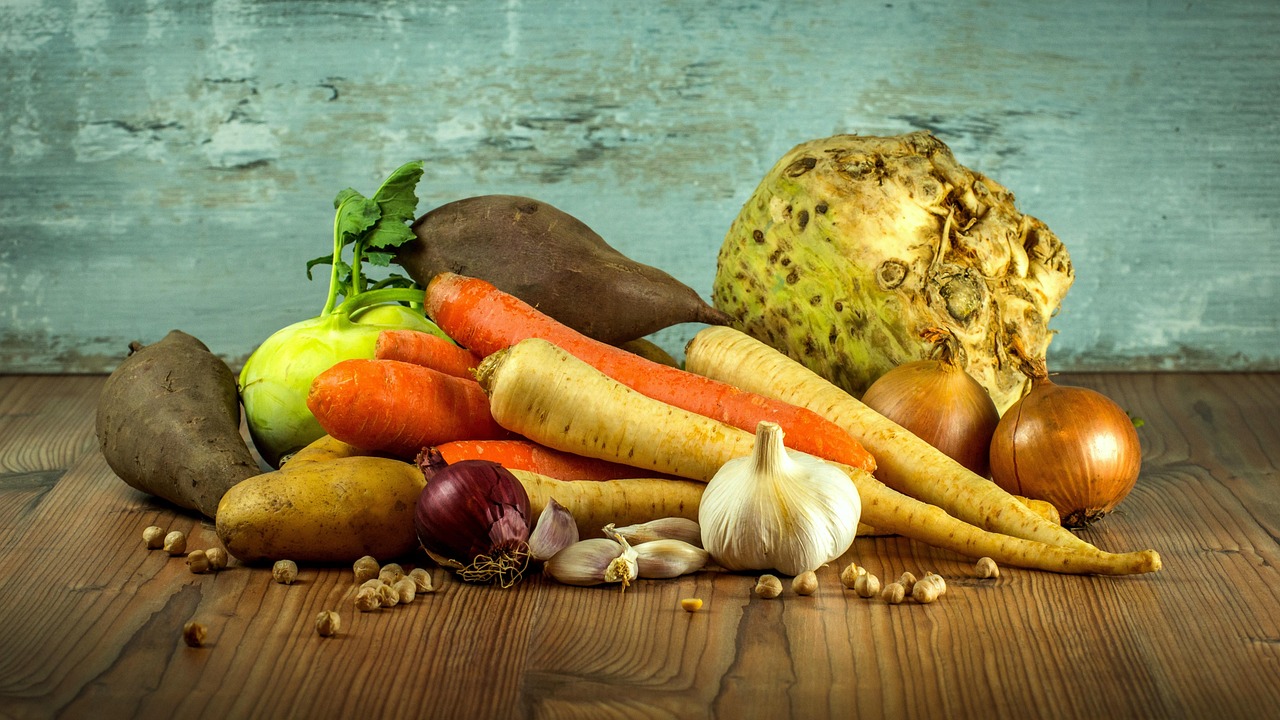
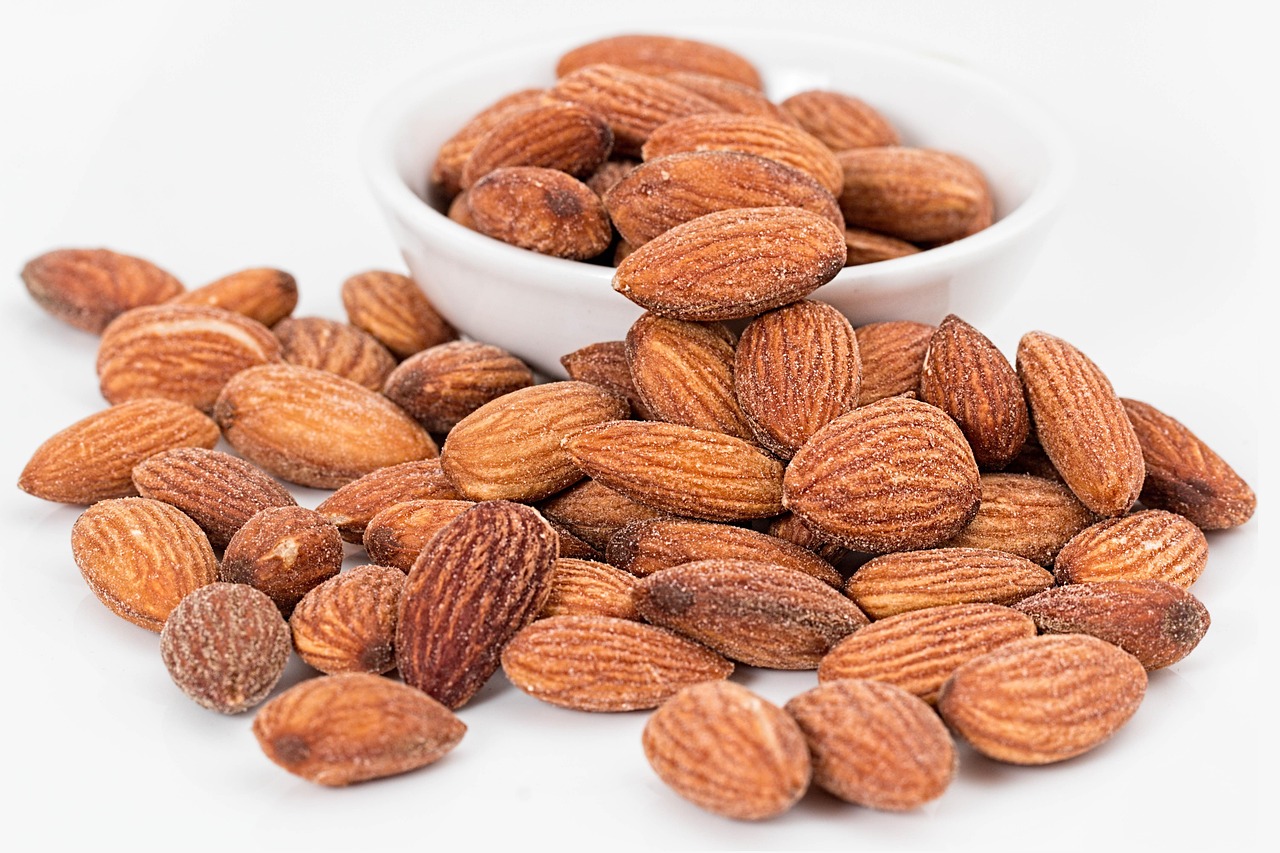
When possible, prioritize whole food snacks. Baby carrots, apple slices with nut butter, a handful of almonds, or Greek yogurt with berries deliver nutrients in their most natural, bioavailable forms. These choices eliminate concerns about hidden ingredients, misleading claims, or questionable additives.
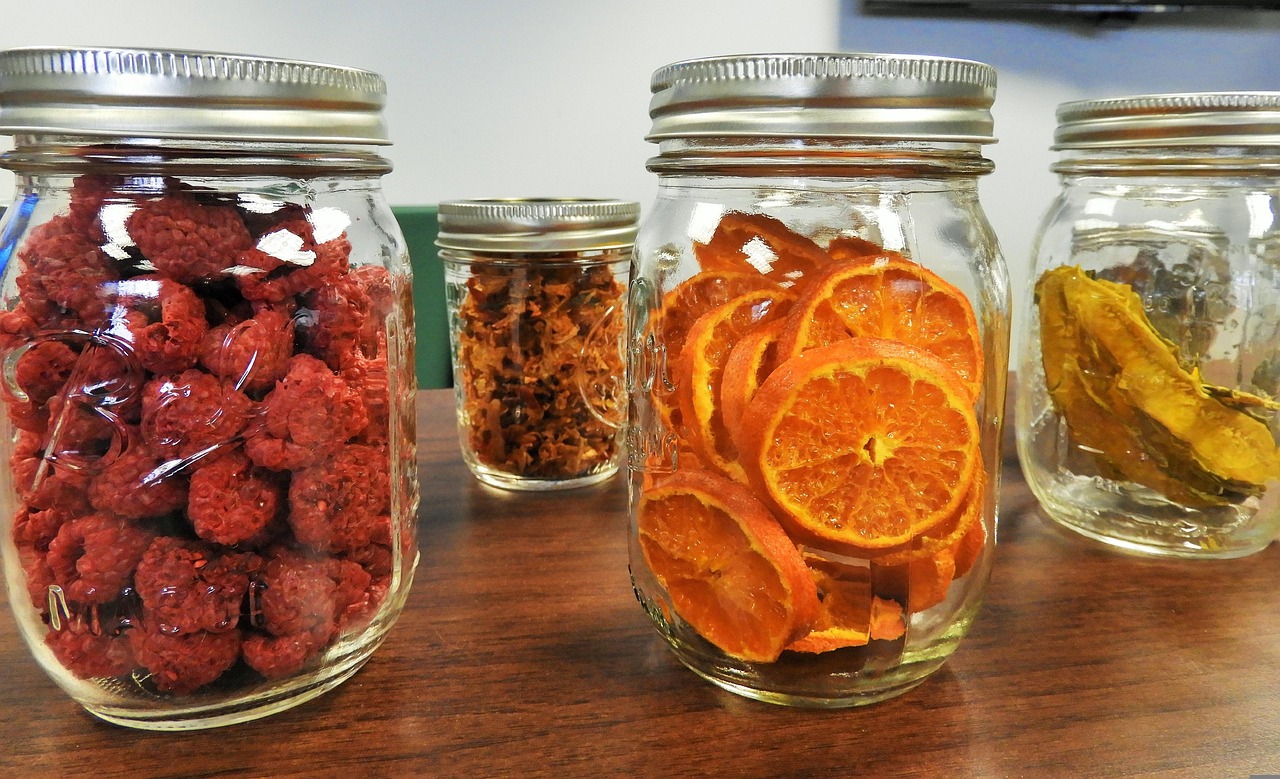
However, packaged snacks offer convenience that busy lifestyles sometimes require. The key is choosing minimally processed options that closely resemble their whole food origins. Roasted chickpeas, dried fruit without added sugar, and nut-based bars with recognizable ingredients bridge the gap between convenience and nutrition.
📱 Technology Tools for Label Reading
Several smartphone applications help consumers decode nutrition labels and make healthier choices. These digital tools can scan barcodes and provide instant analysis of ingredients, additives, and overall nutritional quality. Apps like Yuka, Fooducate, and MyFitnessPal offer different approaches to evaluating packaged foods.
These applications rate products based on nutritional content, ingredient quality, and potential health impacts. Some highlight concerning additives, while others focus on matching foods with specific dietary preferences like vegan, keto, or paleo eating patterns. While technology assists in label reading, developing your own understanding ensures you can make informed decisions even without your phone.
Many apps also track your daily intake, helping you understand how individual snacks fit into your overall dietary pattern. This broader perspective prevents fixation on single nutrients while losing sight of total consumption patterns throughout the day.
🎓 Teaching Label Literacy to Your Family
Passing label-reading skills to children and other family members multiplies the impact of your knowledge. Start by involving kids in grocery shopping, turning it into an educational opportunity rather than a chore. Challenge them to find snacks meeting specific criteria, like at least 3 grams of fiber or fewer than 10 grams of sugar.
Make label reading a game by comparing different products and discussing which offers better nutrition. This approach builds critical thinking skills while establishing healthy habits early. Children who learn to evaluate foods objectively develop better relationships with eating and make more conscious choices as they gain independence.
For adults in your household, share your discoveries and reasoning behind specific choices. Explaining why you prefer certain products over others educates others while reinforcing your own understanding. Collaborative decision-making about family snacks creates buy-in and reduces resistance to healthier options.
🌟 Putting Knowledge Into Practice
Mastering label reading transforms your relationship with food and empowers confident decision-making in every grocery store aisle. This skill doesn’t require perfection—even small improvements in snack selection contribute to better overall nutrition. Start by focusing on one or two key factors, like added sugar content or ingredient quality, then gradually expand your evaluation criteria.
Remember that context matters in healthy eating. An occasional indulgent snack fits within a balanced diet when most of your choices prioritize nutrition. Label literacy helps you distinguish everyday snacks from special treats, reserving less nutritious options for genuine enjoyment rather than mindless habit.
Your growing expertise will reveal that truly satisfying snacks often align with healthier choices. Nutrient-dense options provide sustained energy, stable blood sugar, and genuine fullness, while nutritionally empty treats leave you hungry shortly after eating. This natural feedback reinforces better decisions over time.
The investment in learning label-reading skills pays lifelong dividends in improved health, increased energy, and confidence in your food choices. Armed with this knowledge, you’ll navigate snack aisles with clarity and purpose, selecting treats that genuinely nourish your body while satisfying your cravings. The power to make informed decisions now rests firmly in your hands—and in your ability to understand what those labels really mean. 🎯