Living gluten-free has become more than just a dietary trend—it’s a medical necessity for millions worldwide. Whether you’re managing celiac disease, gluten sensitivity, or simply exploring healthier eating options, understanding gluten-free labels is crucial for your wellbeing.

The supermarket aisles are flooded with products boasting gluten-free claims, but not all labels are created equal. Navigating this landscape requires knowledge, vigilance, and a keen eye for detail. This comprehensive guide will empower you to make informed decisions that protect your health while enjoying delicious, safe foods.
🔍 Understanding What Gluten Really Means
Gluten is a protein composite found primarily in wheat, barley, and rye. It acts as a binding agent that gives bread its chewy texture and helps baked goods maintain their shape. For most people, gluten is harmless, but for those with celiac disease or gluten sensitivity, consuming even trace amounts can trigger severe health consequences.
Celiac disease affects approximately 1% of the global population, causing the immune system to attack the small intestine when gluten is consumed. Beyond celiac disease, many individuals experience non-celiac gluten sensitivity, which can cause similar symptoms without the autoimmune response. Understanding these conditions underscores why accurate labeling is not just helpful—it’s essential.
📋 The Legal Framework Behind Gluten-Free Labels
In the United States, the Food and Drug Administration (FDA) established specific regulations for gluten-free labeling in 2013. According to these standards, any product labeled “gluten-free,” “no gluten,” “free of gluten,” or “without gluten” must contain less than 20 parts per million (ppm) of gluten.
This 20 ppm threshold was determined based on scientific evidence showing that most people with celiac disease can tolerate this minimal amount without adverse effects. However, it’s important to recognize that some individuals may be more sensitive and react to even lower levels.
Different countries have varying regulations. The European Union follows similar standards with a 20 ppm threshold, while also allowing a “very low gluten” category for products containing between 21 and 100 ppm. Australia and New Zealand have even stricter requirements, mandating “no detectable gluten” for products to carry the gluten-free claim.
🏷️ Deciphering Common Label Terminology
Certified Gluten-Free vs. Gluten-Free
While a “gluten-free” label means the product meets FDA standards, a “Certified Gluten-Free” designation indicates third-party verification. Organizations like the Gluten-Free Certification Organization (GFCO) require products to contain less than 10 ppm of gluten—a stricter standard than FDA requirements.
Certified products undergo regular testing and facility inspections, providing an additional layer of safety. Look for certification logos from recognized organizations such as GFCO, NSF International, or the Celiac Support Association.
Made in a Gluten-Free Facility
This phrase indicates that the entire manufacturing facility processes only gluten-free products, eliminating cross-contamination risks. This is the safest option for highly sensitive individuals, though such products may come at a premium price.
Made on Shared Equipment
When labels state “made on shared equipment with wheat,” proceed with caution. Despite cleaning protocols, trace amounts of gluten may remain. While the product itself may meet gluten-free standards, cross-contamination during processing is possible.
🚨 Hidden Sources of Gluten to Watch For
Gluten can hide in unexpected places, making careful label reading essential. Many processed foods contain gluten-containing ingredients that aren’t immediately obvious. Here are common culprits that require vigilance:
- Malt and malt flavoring – derived from barley
- Modified food starch – may be wheat-based unless specified otherwise
- Hydrolyzed vegetable protein – can contain wheat
- Soy sauce – traditionally contains wheat (look for tamari instead)
- Natural flavoring – may include gluten-containing ingredients
- Dextrin – usually corn-based but can come from wheat
- Caramel color – rarely contains gluten but worth verifying
✅ Naturally Gluten-Free Foods That Need No Label
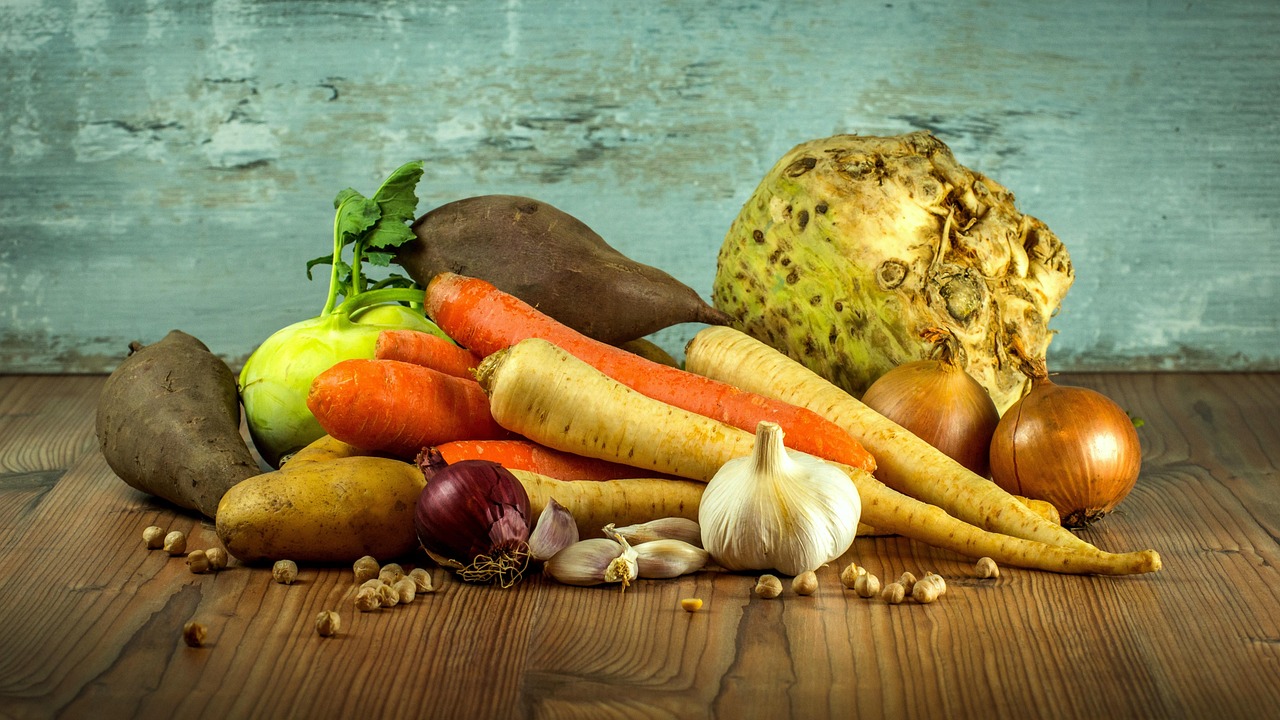
Many whole foods are naturally gluten-free and don’t require special labeling. Focusing your diet on these items can simplify shopping and improve overall nutrition:
- Fresh fruits and vegetables
- Plain meat, poultry, and fish
- Eggs and dairy products
- Beans and legumes
- Nuts and seeds
- Rice, quinoa, and certified gluten-free oats
- Corn and corn products
However, even naturally gluten-free items can become contaminated during processing or preparation. Always check labels on processed versions of these foods, such as flavored nuts, marinated meats, or pre-seasoned vegetables.
🛒 Strategic Shopping: Aisle-by-Aisle Guidance
Bakery and Bread Section
This section requires the most scrutiny. Look for dedicated gluten-free brands rather than assuming products are safe. Many gluten-free breads are stored separately to prevent cross-contamination. Check both the ingredient list and any allergen statements carefully.
Snack Foods and Crackers
Chips and crackers often contain hidden gluten in seasonings or may be fried in shared oil with gluten-containing products. Stick to brands with clear gluten-free certification, and be wary of flavored varieties that might contain wheat-based additives.
Condiments and Sauces
This category is particularly tricky. Soy sauce, teriyaki sauce, and many salad dressings contain gluten. Barbecue sauces may use wheat as a thickener. Always read labels, even on products you’ve purchased before, as formulations can change.
Frozen Foods
Frozen vegetables are typically safe when plain, but avoid those with sauces or seasonings unless labeled gluten-free. Frozen meals require careful examination—even seemingly simple items like French fries may be coated with wheat flour.
📱 Technology Tools for Gluten-Free Shopping
Modern technology has made gluten-free shopping significantly easier. Several smartphone applications help you identify safe products by scanning barcodes and providing instant gluten-free status information.
The Gluten-Free Scanner app allows you to quickly check whether products are safe by scanning their barcodes. It maintains an extensive database of gluten-free products and updates regularly with new items and formulation changes.
Another valuable tool is the Find Me Gluten Free app, which not only helps with grocery shopping but also locates gluten-free friendly restaurants in your area, complete with reviews from other users with celiac disease or gluten sensitivity.
⚖️ Evaluating Nutritional Quality Beyond Gluten-Free Claims
Just because a product is gluten-free doesn’t automatically make it healthy. Many gluten-free processed foods are high in sugar, saturated fats, and refined carbohydrates while being low in fiber and essential nutrients.
When evaluating gluten-free products, consider the complete nutritional profile. Compare protein content, fiber levels, added sugars, and overall ingredient quality. A gluten-free cookie is still a cookie—it’s not suddenly a health food simply because it lacks gluten.
Many manufacturers compensate for the texture and taste differences in gluten-free products by adding extra sugar, fat, or sodium. Reading the nutrition facts panel is just as important as checking for gluten-free status.
🌾 The Oat Controversy: Understanding Gluten-Free Oats
Oats present a unique challenge in the gluten-free world. While oats themselves don’t naturally contain gluten, they’re frequently contaminated with wheat, barley, or rye during growing, harvesting, or processing.
Only oats specifically labeled “gluten-free” or “certified gluten-free” are safe for those avoiding gluten. These products are grown in dedicated fields, harvested with dedicated equipment, and processed in certified facilities to prevent contamination.
Additionally, some individuals with celiac disease react to avenin, a protein in oats that’s similar to gluten. If you’re newly diagnosed, consult your healthcare provider before introducing even certified gluten-free oats into your diet.
🔬 Understanding Cross-Contamination Risks
Cross-contamination occurs when gluten-free products come into contact with gluten-containing items. This can happen at any stage—from farming and manufacturing to transportation, retail display, and home preparation.
In manufacturing facilities, shared production lines represent significant risks even with cleaning protocols. Airborne flour particles can settle on equipment and products. Some companies conduct regular testing and validation, while others rely solely on cleaning procedures.
At home, use separate toasters, cutting boards, and utensils for gluten-free foods. Store gluten-free items on higher shelves to prevent crumbs from falling onto them. Even butter dishes and peanut butter jars can become contaminated if someone double-dips with a knife used on regular bread.
💰 Balancing Budget Concerns with Gluten-Free Needs
Gluten-free products typically cost significantly more than their conventional counterparts—often 200-300% more. This price disparity creates real challenges for families managing celiac disease on tight budgets.
To manage costs, focus on naturally gluten-free whole foods rather than processed gluten-free specialty products. Buy rice, potatoes, beans, and corn-based products in bulk. When purchasing specialty items, compare unit prices and watch for sales.
Some health insurance plans and flexible spending accounts may cover gluten-free food costs with proper medical documentation. Check with your provider and maintain receipts if your physician provides a medical necessity letter.
🌍 International Travel and Gluten-Free Labels
When traveling internationally, gluten-free labeling standards vary significantly. What qualifies as gluten-free in one country may not meet standards elsewhere. Research destination-specific regulations before your trip.
Learn key phrases in the local language: “sin gluten” in Spanish, “sans gluten” in French, “senza glutine” in Italian, and “glutenfrei” in German. Many countries have celiac associations that provide restaurant cards explaining your dietary needs in the local language.
Pack gluten-free snacks for travel days when safe options may be limited. Research gluten-free stores and restaurants at your destination in advance using specialized apps and travel forums for people with celiac disease.
🎯 Developing Your Personal Shopping Strategy
Creating an efficient, safe shopping routine takes time but becomes second nature with practice. Start by identifying trustworthy brands through trial and error, then stick with products you know are safe.
Maintain a running list of verified gluten-free products on your smartphone. Many grocery stores now offer online shopping with filters for dietary requirements, allowing you to pre-select gluten-free items and save time in-store.
Build relationships with store managers and ask about dedicated gluten-free sections. Many retailers are expanding these areas due to increased demand. Don’t hesitate to request specific products—customer feedback influences stocking decisions.
🏥 When to Consult Healthcare Professionals
If you experience persistent symptoms despite following a gluten-free diet, consult a gastroenterologist or registered dietitian specializing in celiac disease. Hidden gluten exposure, other food intolerances, or misdiagnosis could be factors.
Regular follow-up appointments help monitor your intestinal healing and nutritional status. Blood tests can assess whether you’re inadvertently consuming gluten through mislabeled or contaminated products.
A specialized dietitian can help you optimize your gluten-free diet for nutritional completeness, identify problematic products, and develop strategies for managing social situations and dining out safely.
🌟 Embracing a Positive Gluten-Free Lifestyle
While navigating gluten-free labels requires diligence and learning, it becomes increasingly manageable over time. The gluten-free market continues expanding with better-tasting, more nutritious options appearing regularly.
Connect with online communities and local support groups where people share product recommendations, label-reading tips, and emotional support. The gluten-free journey is easier when you’re not going it alone.
Remember that reading labels carefully isn’t about living in fear—it’s about taking control of your health. With knowledge and practice, you’ll develop intuitive skills that make gluten-free shopping efficient and stress-free, allowing you to focus on enjoying delicious, safe foods that nourish your body.
Your commitment to understanding gluten-free labels protects your health and demonstrates self-care. As labeling continues improving and awareness grows, the gluten-free lifestyle becomes more accessible and sustainable for everyone who needs it. Stay informed, stay vigilant, and embrace the abundance of safe, delicious options available to you.