Living gluten-free doesn’t mean sacrificing flavor or convenience. With the right pantry setup, you can create delicious meals while supporting your health and well-being in ways you never imagined possible.

Whether you’re managing celiac disease, gluten sensitivity, or simply exploring a healthier lifestyle, transforming your kitchen into a gluten-free haven is one of the most empowering decisions you can make. The journey begins with understanding what belongs in your pantry and how to organize it for maximum efficiency and minimal cross-contamination. This comprehensive guide will walk you through every step of creating the ultimate gluten-free pantry that makes cooking easier, safer, and infinitely more enjoyable.
🌾 Understanding the Gluten-Free Foundation
Before diving into pantry specifics, it’s essential to understand what gluten-free truly means. Gluten is a protein found in wheat, barley, rye, and their derivatives. For those with celiac disease or gluten sensitivity, even trace amounts can trigger symptoms ranging from digestive distress to more serious health complications.
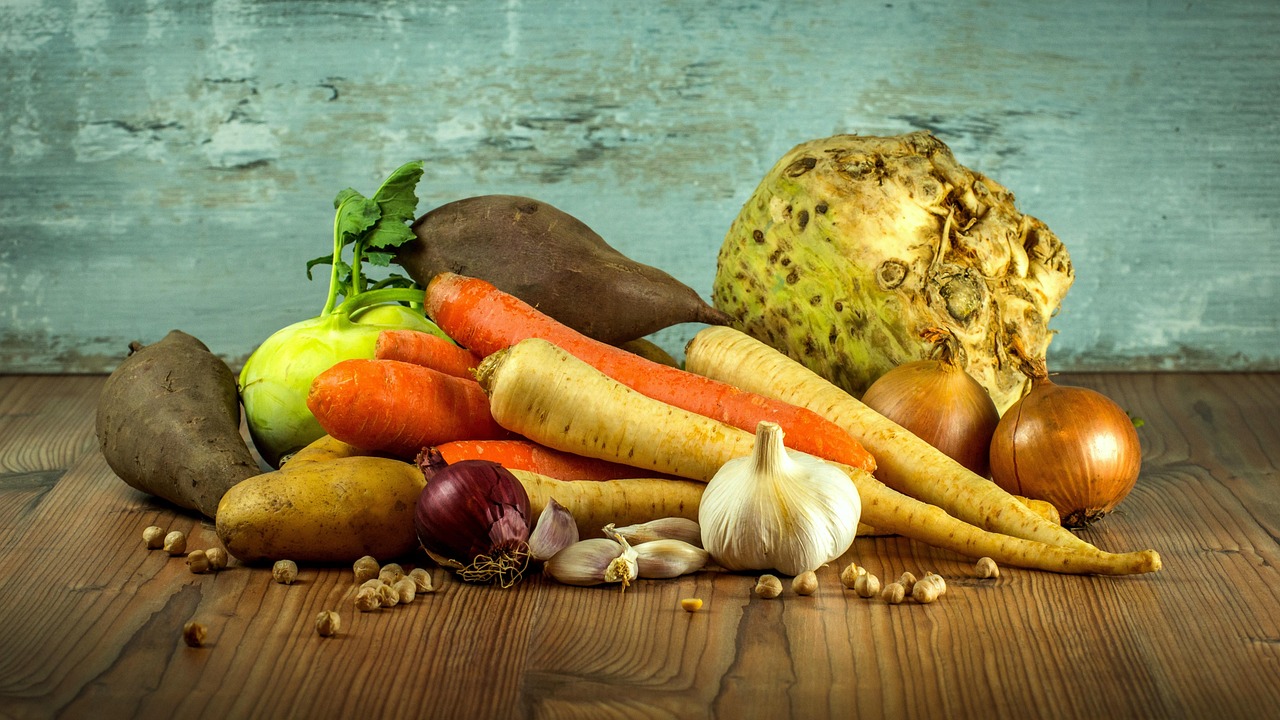
The good news is that naturally gluten-free foods are abundant and delicious. Fruits, vegetables, meats, fish, dairy, legumes, nuts, and many whole grains are inherently free from gluten. The challenge lies in processed foods, where gluten often hides in unexpected places like sauces, seasonings, and packaged goods.
Clearing Out: The Essential First Step
Transformation begins with elimination. Start by removing all gluten-containing products from your pantry. This includes obvious items like bread, pasta, and flour, but also less apparent sources such as soy sauce, certain broths, and seasoning mixes that may contain wheat-based fillers.
Check labels meticulously. Ingredients like malt, modified food starch, and hydrolyzed vegetable protein often signal gluten presence. When in doubt, research the product or contact the manufacturer. This initial purge creates a clean slate for your gluten-free journey.
If you share your kitchen with gluten-eating family members, consider designating specific shelves or storage areas exclusively for gluten-free items. This separation significantly reduces cross-contamination risks and makes meal preparation safer and more streamlined.
🍚 Stocking Your Gluten-Free Grain Arsenal
One of the biggest misconceptions about gluten-free living is that you must abandon all grains. In reality, numerous nutritious, naturally gluten-free grains can form the backbone of your new pantry.
Essential Gluten-Free Grains and Flours
Rice is your versatile foundation. Stock both white and brown varieties, along with specialty options like basmati, jasmine, and wild rice. Each brings unique flavors and textures to your cooking repertoire. Rice flour, both white and brown, should also claim permanent pantry space for baking and coating purposes.
Quinoa deserves special attention as a complete protein source containing all nine essential amino acids. This ancient grain cooks quickly and adapts beautifully to both savory and sweet applications. Keep white, red, and black quinoa on hand for variety.
Other must-have gluten-free grains include:
- Certified gluten-free oats (cross-contamination during processing is common with regular oats)
- Buckwheat (despite its name, it’s not related to wheat)
- Millet for a mild, slightly sweet flavor
- Amaranth packed with nutrients and protein
- Sorghum for baking and as a whole grain side dish
- Teff, the tiny Ethiopian grain rich in calcium and iron
Alternative Flours for Baking Success
Gluten-free baking requires a different approach than traditional baking. Having a variety of flours allows you to create blends that mimic wheat flour’s properties. Essential baking flours include almond flour for moisture and richness, coconut flour for high fiber content, tapioca starch for binding and chewiness, potato starch for lightness, and sweet rice flour (mochiko) for elasticity.
Many home bakers find success with pre-mixed gluten-free flour blends. Look for brands that include xanthan gum or guar gum, which help replace gluten’s binding properties. Keep several blends available for different baking needs—one for bread, another for cakes, and a third for all-purpose use.
💪 Protein-Packed Pantry Staples
Building a gluten-free pantry means focusing on naturally gluten-free protein sources that provide sustained energy and support overall health.
Legumes and Beans
Dried and canned beans are gluten-free pantry champions. They’re affordable, shelf-stable, and incredibly versatile. Stock black beans, kidney beans, chickpeas, white beans, lentils (red, green, and black), and split peas. These protein powerhouses form the foundation of countless meals from soups to salads to main dishes.
When purchasing canned varieties, read labels carefully. While beans themselves are gluten-free, some canned products may contain gluten-containing additives or may be processed in facilities that handle wheat products.
Nuts, Seeds, and Nut Butters
Raw and roasted nuts provide healthy fats, protein, and satisfying crunch. Essential varieties include almonds, cashews, walnuts, pecans, and pistachios. Seeds like chia, flax, hemp, pumpkin, and sunflower offer omega-3 fatty acids and can be sprinkled on virtually anything.
Natural nut butters—almond, cashew, peanut, and sunflower seed butter—serve multiple purposes from spread to sauce base to baking ingredient. Choose varieties with minimal ingredients, ideally just nuts and perhaps salt, avoiding those with added oils or sweeteners that might contain hidden gluten.
🥫 Condiments, Sauces, and Flavor Builders
This category requires extra vigilance, as gluten frequently hides in prepared condiments and sauces. However, once you know what to look for, you can stock a fully-equipped flavor arsenal.
Safe Sauce Selections
Traditional soy sauce contains wheat, but tamari (wheat-free soy sauce) and coconut aminos provide excellent alternatives. Apple cider vinegar, balsamic vinegar, and rice vinegar add brightness to dishes. Extra virgin olive oil, avocado oil, and coconut oil should be your primary cooking fats.
For Asian-inspired cooking, keep fish sauce (check labels), rice vinegar, sesame oil, and gluten-free hoisin sauce available. Thai curry pastes are typically gluten-free but always verify. Stock tomato products including crushed tomatoes, tomato paste, and marinara sauce (after confirming gluten-free status).
Spices and Seasonings
Pure single-ingredient spices and dried herbs are naturally gluten-free. However, spice blends and seasoning mixes often contain wheat-based anti-caking agents or fillers. Build your collection with individual spices and create your own blends to ensure safety.
Essential spices include cumin, coriander, paprika (sweet and smoked), turmeric, cinnamon, garlic powder, onion powder, dried oregano, basil, thyme, and rosemary. Keep sea salt and black peppercorns in your regular rotation, along with red pepper flakes for heat.
🍪 Snacks and Quick Bites
A well-stocked gluten-free pantry includes convenient snacks for busy days when cooking from scratch isn’t feasible. The gluten-free snack market has expanded dramatically, offering options for every taste preference.
Look for gluten-free crackers made from rice, seeds, or nuts. Rice cakes provide a blank canvas for toppings. Popcorn kernels offer an affordable, whole-grain snack option. Gluten-free granola and protein bars keep hunger at bay between meals, though labels require careful scrutiny as many contain gluten-containing grains or additives.
Dark chocolate (70% cacao or higher) satisfies sweet cravings while providing antioxidants. Dried fruit like dates, apricots, and raisins add natural sweetness to snacks and recipes. Seaweed snacks offer a savory, nutrient-dense option rich in iodine and minerals.
📦 Organization Strategies for Safety and Efficiency
How you organize your gluten-free pantry is just as important as what you stock it with. Proper organization prevents cross-contamination and makes meal preparation significantly easier.
Container and Labeling Systems
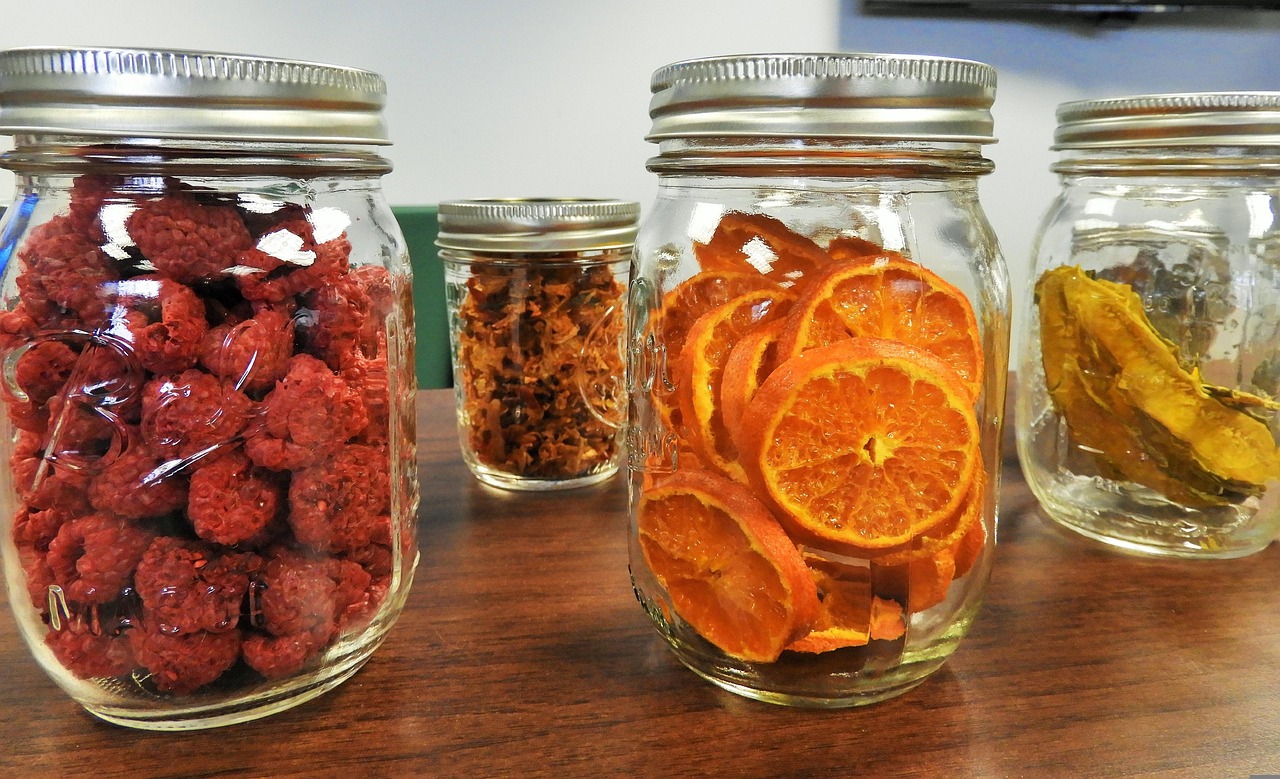
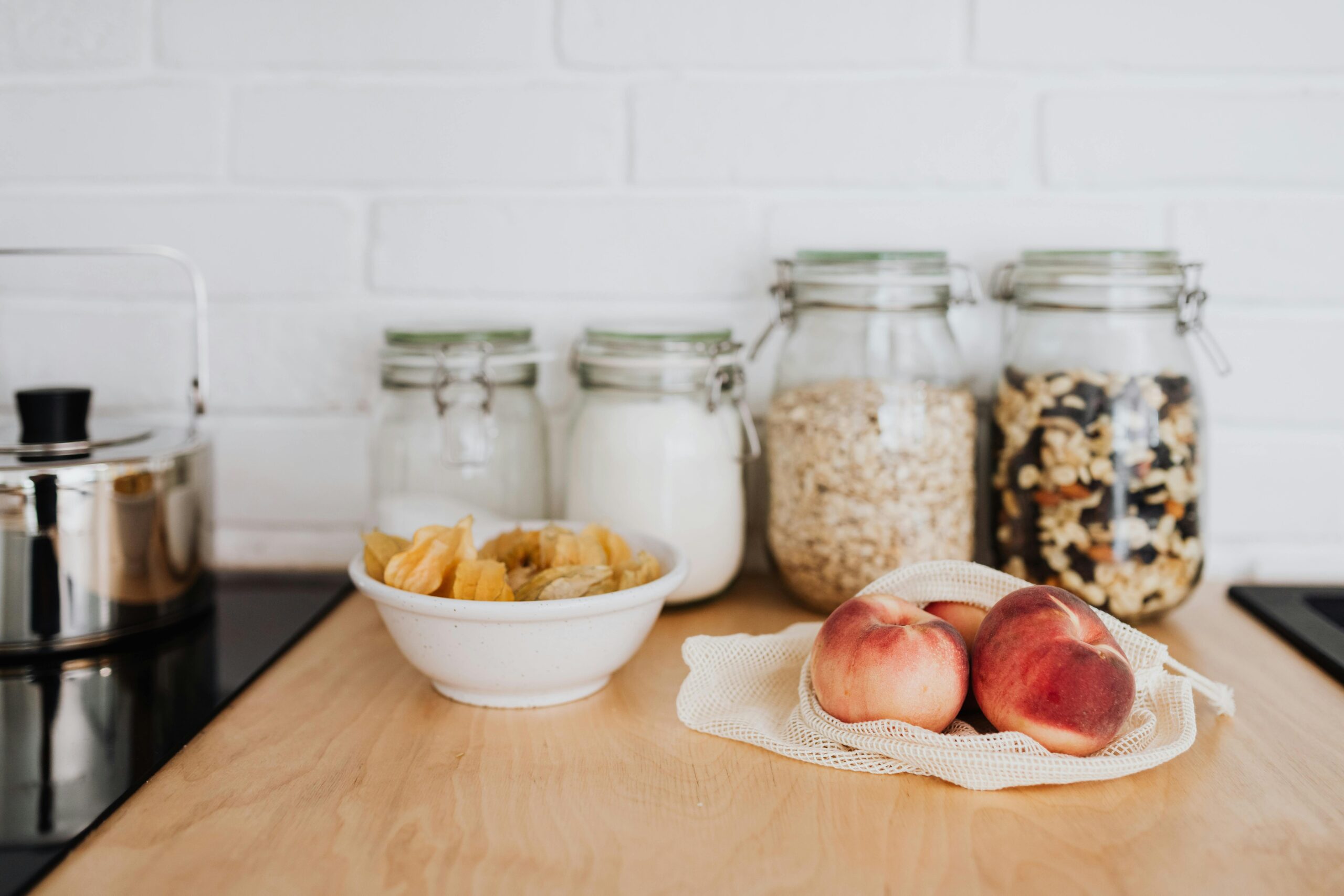
Transfer opened packages into airtight containers with clear labels. Glass containers are ideal as they don’t absorb odors and allow you to see contents at a glance. Label each container with the product name and date opened. For flour blends, note the recipe or ratio used.
Dedicate the highest, most easily accessible shelves to frequently used items. Place baking supplies together in one zone, grains and pasta in another, and snacks in a third area. This systematic approach reduces meal prep time and mental load.
The Color-Coding Advantage
In mixed households where some members eat gluten, implement a color-coding system. Use one color of container or shelf marker for strictly gluten-free items and another for gluten-containing products. This visual system helps everyone in the household maintain clear boundaries and reduces accidental exposure risk.
🛒 Smart Shopping for Your Gluten-Free Pantry
Building and maintaining your gluten-free pantry requires strategic shopping. Develop relationships with stores that prioritize gluten-free products and offer dedicated sections, making shopping more efficient.
Many grocery stores now feature gluten-free aisles or sections, while natural food stores typically offer extensive selections. Online retailers provide access to specialty items not available locally, often at competitive prices when purchased in bulk.
Join gluten-free communities online or in your area to share recommendations for reliable brands and retailers. These communities often alert members to new products, sales, and potential cross-contamination issues with specific brands.
💰 Budget-Friendly Gluten-Free Strategies
The perception that gluten-free living is expensive doesn’t have to be reality. With smart strategies, you can maintain a well-stocked pantry without breaking the bank.
Focus on naturally gluten-free whole foods rather than specialty packaged products. Rice, beans, potatoes, eggs, and seasonal produce are affordable and inherently gluten-free. When you do purchase specialty items, buy in bulk when possible and watch for sales on staples like gluten-free pasta and flour blends.
Making items from scratch—like granola, crackers, bread, and seasoning mixes—costs significantly less than buying pre-made versions. Batch cooking and freezing portions extends your grocery budget while ensuring you always have safe meals available.
🍝 Beyond the Basics: Specialty Items Worth Having
Once your foundational pantry is established, consider adding specialty items that elevate your gluten-free cooking and expand your culinary repertoire.
Gluten-free pasta made from rice, quinoa, chickpeas, or lentils has improved dramatically in recent years. Stock several shapes for different dishes. Gluten-free bread crumbs (or make your own from stale gluten-free bread) enable breading and topping casseroles. Nutritional yeast adds a cheesy, umami flavor to dishes while providing B vitamins.
Asian rice noodles in various widths open up possibilities for pad Thai, pho, and stir-fries. Cornmeal and polenta serve as bases for everything from breakfast porridge to Italian-inspired dishes. Gluten-free panko creates extra-crispy coatings for proteins and vegetables.
🔄 Maintaining Your Gluten-Free Sanctuary
Creating your gluten-free pantry is just the beginning. Maintaining it requires ongoing attention to freshness, stock levels, and contamination prevention.
Implement a first-in, first-out system to ensure older products get used before newer purchases. Check expiration dates regularly, especially for gluten-free flours and grains which can turn rancid more quickly than wheat products due to their higher fat content. Store grains and flours in cool, dark places or even refrigerate them to extend shelf life.
Dedicate specific utensils, cutting boards, and preparation surfaces to gluten-free cooking if your kitchen isn’t entirely gluten-free. Wooden utensils and cutting boards can harbor gluten in their pores, so using separate tools is crucial for safety.
Regularly audit your pantry, removing items that no longer serve you and making notes of what needs replenishing. Create a running shopping list on your phone or a notepad in the kitchen to capture items as you run low.
🌟 Living Your Best Gluten-Free Life
Transforming your kitchen with a properly stocked gluten-free pantry is an investment in your health, happiness, and culinary confidence. What initially seems restrictive quickly becomes liberating as you discover the incredible variety available in gluten-free cooking.
Your gluten-free pantry becomes a source of creativity rather than limitation. With the right ingredients at your fingertips, you can prepare everything from quick weeknight dinners to impressive entertaining menus. The satisfaction of nourishing yourself and your family with safe, delicious food is immeasurable.
Remember that everyone’s gluten-free journey is unique. Your pantry should reflect your personal preferences, cooking style, and the dishes you love most. Start with the essentials outlined here, then customize based on your needs and discoveries. Over time, you’ll develop an intuitive understanding of what works for your household.
The transformation doesn’t happen overnight, but with each thoughtful addition to your pantry, you’re creating a foundation for healthier, happier living. You’re not just removing gluten—you’re adding possibility, exploring new ingredients, and reclaiming the joy of cooking and eating. Your gluten-free kitchen is more than a restriction; it’s a celebration of what food can be when chosen with intention and prepared with care.