Going gluten-free doesn’t mean sacrificing flavor or variety. With the right ingredients at hand, you can create delicious meals that are safe, satisfying, and stress-free every single day.

Whether you’re newly diagnosed with celiac disease, managing gluten sensitivity, or simply choosing a gluten-free lifestyle for wellness reasons, stocking your kitchen properly is the foundation of success. A well-organized gluten-free pantry eliminates last-minute panic, reduces cross-contamination risks, and opens up endless culinary possibilities. This comprehensive checklist will guide you through essential items, smart shopping strategies, and practical tips to transform your kitchen into a safe haven for gluten-free cooking.
🌾 Understanding Your Gluten-Free Journey
Before diving into the shopping list, it’s important to understand what gluten-free really means. Gluten is a protein found in wheat, barley, rye, and their derivatives. For people with celiac disease, even tiny amounts can trigger serious immune responses. For those with non-celiac gluten sensitivity, symptoms may be less severe but still uncomfortable.
The key to maintaining a gluten-free diet successfully lies in having reliable alternatives readily available. When your pantry is properly stocked, you won’t feel deprived or tempted to reach for convenient gluten-containing options. Instead, you’ll have everything needed to whip up breakfast, lunch, dinner, and snacks without worry.
Essential Gluten-Free Flours and Baking Basics 🥄
Building a versatile flour collection is fundamental for anyone serious about gluten-free cooking and baking. Unlike traditional baking that relies on one all-purpose flour, gluten-free baking often requires blending different flours to achieve the right texture and flavor.
Must-Have Gluten-Free Flours
- Rice flour (white and brown): The backbone of many gluten-free flour blends, offering a neutral flavor and fine texture
- Almond flour: Adds moisture, richness, and protein to baked goods while providing a slightly sweet, nutty flavor
- Coconut flour: Highly absorbent and fiber-rich, perfect for low-carb baking when used correctly
- Tapioca starch: Creates chewiness and helps bind ingredients together in gluten-free recipes
- Potato starch: Lightens baked goods and improves texture without adding potato flavor
- Oat flour (certified gluten-free): Adds heartiness and works beautifully in cookies, muffins, and pancakes
- Chickpea flour: High in protein and excellent for savory applications like flatbreads and fritters
Store flours in airtight containers in a cool, dry place. Many gluten-free flours, especially nut-based varieties, have shorter shelf lives than wheat flour and may benefit from refrigeration or freezing.
Binding Agents and Leaveners
Since gluten provides structure in traditional baking, you’ll need alternatives to achieve similar results. Stock your pantry with xanthan gum or guar gum, which help replicate gluten’s binding properties. Keep baking powder, baking soda, cream of tartar, and active dry yeast on hand for various recipes.
Gluten-Free Grains and Pasta Alternatives 🍝
One of the biggest misconceptions about going gluten-free is that you must give up all grains. In reality, numerous naturally gluten-free grains offer exceptional nutrition and versatility.
Whole Grains to Stock
- Quinoa: A complete protein containing all nine essential amino acids, cooks quickly and works in both sweet and savory dishes
- Brown rice: A pantry staple that’s budget-friendly, filling, and pairs with virtually any cuisine
- Wild rice: Technically a grass seed with a nutty flavor and chewy texture, excellent for pilafs and stuffings
- Millet: Mild-flavored grain perfect for porridge, side dishes, or ground into flour
- Buckwheat: Despite the name, it’s gluten-free and makes excellent noodles, pancakes, and porridge
- Amaranth: Tiny powerhouse grain with a slightly peppery taste and impressive nutritional profile
- Certified gluten-free oats: Essential for oatmeal, granola, and baking
Pasta Options That Actually Taste Good
Gone are the days when gluten-free pasta meant mushy, flavorless noodles. Modern alternatives have improved dramatically. Keep several varieties on hand: brown rice pasta for traditional Italian dishes, chickpea or lentil pasta for added protein, quinoa pasta for a lighter option, and rice noodles for Asian-inspired meals.
Starches and Carbohydrate Staples 🥔
Beyond grains, several starchy foods deserve permanent spots in your gluten-free pantry. Potatoes of all varieties are naturally gluten-free and incredibly versatile. Sweet potatoes offer additional nutrients and natural sweetness. Corn products including polenta, cornmeal, and corn tortillas provide variety and authentic flavor for specific cuisines.
Don’t overlook alternative noodles like shirataki noodles (made from konjac root) for low-carb options, or bean thread noodles for Asian cooking. Keep rice paper wrappers for fresh spring rolls, and stock gluten-free crackers and pretzels for snacking.
Protein-Packed Legumes and Beans 🫘
Legumes are nutritional powerhouses that happen to be naturally gluten-free. They provide protein, fiber, vitamins, and minerals while being incredibly affordable and shelf-stable.
| Legume | Best Uses | Nutritional Highlight |
|---|---|---|
| Black beans | Tacos, soups, burrito bowls | High in antioxidants |
| Chickpeas | Hummus, curries, roasted snacks | Excellent protein source |
| Lentils | Soups, dal, salads | Quick-cooking, iron-rich |
| Kidney beans | Chili, stews, rice dishes | High in folate |
| White beans | Italian dishes, dips, casseroles | Creamy texture, mild flavor |
Keep both dried and canned versions available. Dried beans require planning but offer better texture and value, while canned beans provide convenience for quick meals.
Nuts, Seeds, and Healthy Fats 🥜
These nutrient-dense foods add flavor, texture, and important fatty acids to your gluten-free diet. Stock raw almonds, cashews, walnuts, and pecans for snacking and cooking. Seeds like chia, flax, hemp, pumpkin, and sunflower offer omega-3s and can be sprinkled on virtually anything.
Nut and seed butters deserve their own category. Beyond peanut butter, explore almond butter, cashew butter, tahini, and sunflower seed butter. These work beautifully in sauces, dressings, baking, and as quick protein sources.
For cooking oils, maintain variety: extra virgin olive oil for dressings and low-heat cooking, avocado oil for high-heat applications, coconut oil for baking, and sesame oil for Asian dishes. Keep butter or ghee if dairy-tolerant, or stock coconut oil as a vegan alternative.
Condiments, Sauces, and Flavor Enhancers ✨
This category requires extra vigilance since many conventional condiments contain hidden gluten. Always verify labels, even on products that seem naturally gluten-free.
Safe Condiment Choices
- Tamari or coconut aminos: Gluten-free soy sauce alternatives that deliver umami flavor
- Apple cider vinegar and balsamic vinegar: Essential for dressings and marinades (check balsamic labels carefully)
- Mustard: Most plain mustards are gluten-free, but always verify
- Hot sauce: Generally safe, but check labels on specialty varieties
- Pure vanilla extract: Crucial for baking, ensure it’s pure rather than imitation
- Tomato paste and sauce: Usually gluten-free but confirm no added ingredients
- Coconut milk: Full-fat cans for curries and creaminess without dairy
Build a spice collection that includes basics like garlic powder, onion powder, paprika, cumin, coriander, turmeric, cinnamon, and Italian seasoning. Purchase pure spices rather than blends when possible, as some blends contain anti-caking agents with gluten.
Sweeteners and Baking Add-Ins 🍯
Most pure sweeteners are naturally gluten-free, but cross-contamination can occur during processing. Stock granulated sugar, brown sugar, powdered sugar, honey, pure maple syrup, and coconut sugar. Molasses, agave nectar, and date syrup offer variety for different recipes.
For baking, keep chocolate chips (verify gluten-free), cocoa powder, dried fruits, unsweetened shredded coconut, and vanilla extract. Dark chocolate bars with high cocoa content are typically safe but always check labels.
Breakfast Essentials to Start Your Day Right ☀️
Morning can be challenging when gluten-free, especially if you’re used to toast and cereal. Stock certified gluten-free oats for oatmeal and baking. Keep gluten-free bread in the freezer for toasting. Look for gluten-free cereals and granolas, but read labels carefully as contamination is common in this category.
Buckwheat pancake mix, gluten-free waffle mix, or the individual ingredients to make your own will ensure easy weekend breakfasts. Keep eggs, Greek yogurt (if dairy-tolerant), and fresh or frozen fruit on hand for quick, nutritious morning meals.
Snack Foods That Keep You Satisfied 🍿
Having safe snacks readily available prevents desperate moments that might lead to questionable food choices. Popcorn kernels are inexpensive and naturally gluten-free—air-pop or cook in healthy oil for a perfect snack.
Stock rice cakes, gluten-free pretzels, and certified gluten-free granola bars. Keep dark chocolate, dried fruit, and trail mix combinations. Roasted chickpeas, seaweed snacks, and vegetable chips offer savory variety.
Organization Strategies for Cross-Contamination Prevention 🔒
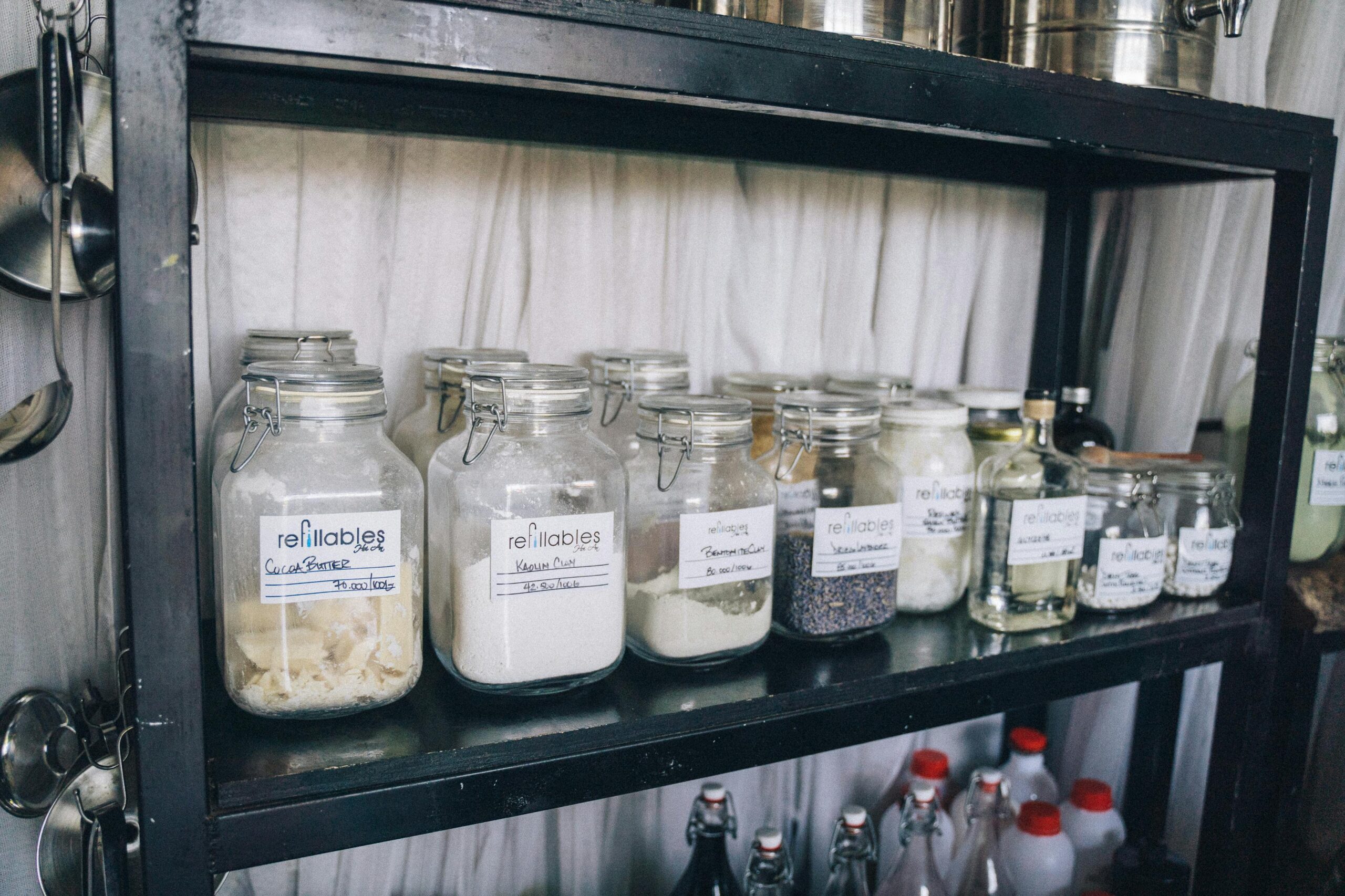
Even with perfect ingredients, improper storage can introduce gluten through cross-contamination. If your household includes gluten-eaters, designate specific shelves or cabinets exclusively for gluten-free items. Use clearly labeled containers—confusion leads to mistakes.
Implement a “top shelf rule” where gluten-free items always go above gluten-containing foods, preventing crumbs or flour from falling onto safe ingredients. Invest in separate cutting boards, strainers, wooden spoons, and toasters for gluten-free use only. Even tiny amounts of residue can cause reactions in sensitive individuals.
Consider color-coding your kitchen tools. For example, all gluten-free utensils and containers might have blue labels or stickers, making identification instant and error-proof.
Smart Shopping Tips for Building Your Pantry 🛒
Building a gluten-free pantry requires investment, but strategic shopping makes it manageable. Don’t try to buy everything at once. Start with basics like rice, quinoa, a good flour blend, and essential condiments. Add specialty items gradually as your cooking repertoire expands.
Compare prices between natural food stores, regular supermarkets, and online retailers. Buying certain items in bulk—especially grains, nuts, and baking supplies—saves significant money over time. Join loyalty programs at stores where you shop frequently for gluten-free products.
Learn to recognize certified gluten-free symbols on packaging. The most reliable is the Certified Gluten-Free seal from organizations like GFCO (Gluten-Free Certification Organization), which verifies products contain less than 10 ppm of gluten.
Reading Labels Like a Pro 🔍
Even when shopping for naturally gluten-free foods, label-reading remains essential. Gluten hides under numerous names: wheat, barley, rye, malt, brewer’s yeast, and modified food starch (unless specified as corn or tapioca).
Beware of oats unless specifically labeled “gluten-free.” Regular oats are often contaminated during growing and processing. Watch for less obvious sources like soy sauce, marinades, salad dressings, and seasoning packets.
When in doubt, contact manufacturers directly. Most have customer service lines or email addresses for ingredient questions. Many companies now clearly state allergen information, but practices vary, so vigilance pays off.
Maintaining Freshness and Rotating Stock 📅
Gluten-free flours, especially those made from nuts and seeds, contain natural oils that can go rancid. Store these in the refrigerator or freezer for extended shelf life. Label everything with purchase dates and use the “first in, first out” method to ensure older items get used before they expire.
Check your pantry quarterly for expired items. Many gluten-free products have shorter shelf lives than conventional alternatives due to fewer preservatives. Properly stored, most dried goods last 6-12 months, but nut flours may only last 3-6 months at room temperature.
Budget-Friendly Approaches to Gluten-Free Living 💰
Yes, some gluten-free specialty products cost more, but eating gluten-free doesn’t have to break the bank. Focus on naturally gluten-free whole foods: rice, potatoes, beans, eggs, meat, fish, fruits, and vegetables. These are often less expensive than processed gluten-free alternatives.
Make your own flour blends rather than buying pre-made versions. Batch-cook grains and beans, then freeze portions for quick meal assembly. Bake your own bread and snacks when possible—homemade almost always costs less than store-bought gluten-free versions.
Plant a small herb garden to save money on fresh herbs, which add tremendous flavor to simple gluten-free dishes. Even a sunny windowsill can support basil, parsley, and chives.
Creating a Personalized Pantry That Works for You 🎯
While this checklist provides comprehensive guidance, your ideal pantry reflects your personal preferences, cooking style, and dietary needs. Someone who loves baking will stock more flours and sweeteners, while someone focused on quick meals might emphasize canned beans and pre-cooked grains.
Consider your family’s favorite meals and work backward to identify essential ingredients. If tacos are a weekly tradition, prioritize corn tortillas, beans, and appropriate seasonings. If stir-fries dominate your dinner rotation, focus on rice noodles, tamari, and Asian-inspired sauces.
Take inventory regularly and adjust based on what you actually use. If certain specialty flours sit unused for months, they’re taking up valuable space and budget. Conversely, if you constantly run out of chickpea pasta, buy extra next time.
Embracing the Gluten-Free Lifestyle with Confidence 🌟
A well-stocked gluten-free pantry transforms what might feel like dietary restriction into culinary opportunity. With the right ingredients always available, you’ll discover that gluten-free eating opens doors to cuisines and ingredients you might never have explored otherwise.
Remember that this journey takes time. Don’t pressure yourself to become a gluten-free expert overnight. Start with the basics, learn as you go, and gradually build confidence in identifying safe foods and creating delicious meals. Connect with the gluten-free community through online forums, local support groups, or social media for recipe inspiration and brand recommendations.
Your pantry is the foundation of successful gluten-free living. When stocked thoughtfully with quality ingredients and organized for safety, it becomes your greatest ally in maintaining health, enjoying food, and living fully without gluten. Take inventory today, make your shopping list, and start building the stress-free, safely gluten-free kitchen you deserve.