Living gluten-free doesn’t mean sacrificing flavor or convenience. With the right ingredients in your pantry, you can create delicious, safe, and satisfying meals every single day.

Whether you’ve been diagnosed with celiac disease, have gluten sensitivity, or simply choose a gluten-free lifestyle, understanding which ingredients are safe becomes essential for your health and peace of mind. The world of gluten-free shopping can feel overwhelming at first, with confusing labels, hidden sources of gluten, and countless alternative ingredients. This comprehensive glossary will transform you into a confident gluten-free shopper who knows exactly what to buy, what to avoid, and how to stock your kitchen for success.
🌾 Understanding Gluten: What You’re Actually Avoiding
Before diving into the ingredient glossary, let’s clarify what gluten actually is. Gluten is a protein composite found primarily in wheat, barley, and rye. It gives bread its chewy texture and helps baked goods hold their shape. For people with celiac disease or gluten intolerance, consuming gluten triggers an immune response that damages the small intestine and causes various uncomfortable symptoms.
The challenge with gluten isn’t just avoiding obvious sources like bread and pasta. Gluten hides in unexpected places: sauces, seasonings, processed meats, and even medications. This makes ingredient literacy absolutely crucial for maintaining a truly gluten-free diet.
✅ Safe Naturally Gluten-Free Grains and Flours
Building a versatile gluten-free pantry starts with understanding which grains and flours are naturally safe. These alternatives provide texture, nutrition, and variety to your meals without any gluten concerns.
Rice and Rice Products
White rice, brown rice, wild rice, and rice flour are all naturally gluten-free and incredibly versatile. Rice flour works beautifully in both sweet and savory applications, though it can create a slightly gritty texture when used alone. Combining rice flour with other gluten-free flours typically yields better results in baking.
Corn-Based Ingredients
Cornmeal, corn flour, polenta, and masa harina provide excellent gluten-free options with distinctive flavors. Cornstarch serves as a perfect thickening agent for sauces and gravies. Always verify that corn products haven’t been processed in facilities that also handle wheat, as cross-contamination can occur.
Ancient Grains Worth Discovering
Quinoa, amaranth, millet, teff, and sorghum have sustained civilizations for thousands of years. These nutrient-dense grains offer complete proteins, essential minerals, and unique flavors. Quinoa flour creates tender baked goods, while teff flour brings an earthy richness perfect for pancakes and flatbreads.
Nut and Seed Flours
Almond flour, coconut flour, hazelnut flour, and sunflower seed flour add moisture, protein, and healthy fats to gluten-free baking. Coconut flour absorbs tremendous amounts of liquid, so recipes using it require careful balancing. Almond flour creates wonderfully moist cakes and cookies with minimal adjustments to traditional recipes.
Specialty Gluten-Free Flours
Tapioca flour (also called tapioca starch) adds chewiness and helps bind ingredients together. Potato starch keeps baked goods moist and tender. Arrowroot powder works similarly to cornstarch as a thickener but tolerates acidic ingredients and freezing better. Cassava flour mimics all-purpose flour more closely than most alternatives, making substitutions simpler.
🥗 Proteins That Keep You Safe and Satisfied
Most whole, unprocessed proteins are naturally gluten-free, but processed varieties require careful scrutiny. Understanding safe protein options helps you build balanced, nutritious meals.
Fresh Meats and Poultry
Plain fresh beef, chicken, turkey, pork, and lamb contain no gluten. However, marinated, seasoned, or breaded varieties often contain gluten-based ingredients. Always check labels on pre-seasoned meats, and when dining out, ask about marinades and preparation methods.
Fish and Seafood
Fresh and frozen plain fish and shellfish are gluten-free options packed with omega-3 fatty acids. Avoid breaded or battered varieties unless specifically labeled gluten-free. Imitation crab (surimi) typically contains wheat starch, making it unsuitable for gluten-free diets.
Eggs and Dairy
Plain eggs, milk, butter, cream, and most cheeses are naturally gluten-free. Some processed cheese products, flavored yogurts, and ice creams may contain gluten-containing additives. Blue cheese occasionally uses bread in the culturing process, though most commercial varieties now use gluten-free methods.
Plant-Based Proteins
Beans, lentils, chickpeas, and plain tofu provide excellent gluten-free protein sources. Tempeh made from soybeans alone is safe, but varieties containing grains require verification. Many veggie burgers and meat alternatives contain wheat protein (seitan), so always read labels carefully on processed plant-based products.
🧂 Condiments, Sauces, and Seasonings: Where Gluten Hides
This category trips up many people following gluten-free diets because gluten appears in surprising places. Becoming familiar with safe options and potential hazards helps you season and sauce your meals confidently.
Safe Condiment Choices
Most mustards, hot sauces, plain vinegars (except malt vinegar), and pure mayonnaise are gluten-free. Tamari (gluten-free soy sauce) provides that umami flavor without wheat. Coconut aminos offer another wheat-free alternative to traditional soy sauce. Always choose certified gluten-free versions when available, as manufacturing processes vary.
Condiments Requiring Careful Checking
Regular soy sauce contains wheat, making it off-limits. Many salad dressings use wheat-based thickeners or malt vinegar. Worcestershire sauce traditionally contains malt vinegar, though gluten-free versions exist. Teriyaki sauce, hoisin sauce, and oyster sauce frequently contain wheat or barley ingredients.
Spices and Seasonings
Pure single-ingredient spices and dried herbs are naturally gluten-free. However, spice blends and seasoning mixes often contain anti-caking agents or fillers derived from wheat. McCormick, for example, labels products that contain gluten, making their spices relatively safe choices. When possible, buy whole spices and grind them yourself for guaranteed purity.
🍞 Gluten-Free Baking Essentials and Substitutes
Successful gluten-free baking requires understanding not just flour substitutions but also the binding and leavening agents that create structure without gluten.
Binding Agents
Xanthan gum and guar gum help gluten-free baked goods hold together by mimicking gluten’s binding properties. Generally, use ¼ teaspoon per cup of flour for cookies and cakes, or ½ to 1 teaspoon for breads. Psyllium husk powder provides another excellent binding option while adding beneficial fiber.
Starches for Lightness
Combining flour with starches creates lighter, less dense baked goods. A typical gluten-free flour blend contains approximately 70% flour and 30% starch. Potato starch, tapioca starch, and cornstarch each contribute different properties, with many bakers preferring combinations of all three.
Ready-Made Flour Blends
Many companies now offer pre-mixed gluten-free flour blends designed to substitute cup-for-cup for all-purpose flour. Bob’s Red Mill 1-to-1 Baking Flour, King Arthur Measure for Measure Flour, and Cup4Cup are popular options that eliminate guesswork. These blends already contain appropriate ratios of flours, starches, and binding agents.
🥤 Beverages: From Morning Coffee to Evening Cocktails
Most beverages are naturally gluten-free, but several common drinks contain gluten or risk cross-contamination.
Safe Beverage Options
Coffee, tea, fruit juices, milk, and most sodas contain no gluten. Wine and distilled spirits are generally considered safe, even when made from gluten-containing grains, because the distillation process removes gluten proteins. However, individuals with extreme sensitivity might react to spirits derived from wheat, barley, or rye.
Beverages to Avoid or Verify
Beer traditionally contains barley and is not gluten-free unless specifically labeled as such. Gluten-free beers made from sorghum, rice, or other gluten-free grains are increasingly available. Flavored coffees and teas may contain gluten-based additives. Malted milk drinks and some protein shakes contain barley malt.
🛒 Reading Labels Like a Pro: Your Gluten-Detection Superpower
Becoming an expert label reader protects your health and expands your food options. Understanding labeling regulations and hidden gluten sources transforms grocery shopping from stressful to straightforward.
Certified Gluten-Free Labels
Products bearing certified gluten-free labels from organizations like GFCO (Gluten-Free Certification Organization) must contain less than 10 parts per million of gluten. FDA regulations allow “gluten-free” labeling for products containing less than 20 ppm, which is considered safe for most people with celiac disease.
Hidden Gluten Ingredient Names
Learning alternative names for gluten-containing ingredients helps you spot dangers quickly. Watch for these terms on ingredient lists:
- Wheat derivatives: wheat starch, wheat protein, hydrolyzed wheat protein, wheat germ
- Barley ingredients: malt, malt extract, malt flavoring, malt vinegar, malt syrup
- Rye in any form
- Triticale (a wheat-rye hybrid)
- Brewer’s yeast (usually derived from beer production)
- Modified food starch (safe if from corn, potato, or tapioca; unsafe if from wheat)
- Natural flavors (occasionally derived from barley malt)
Cross-Contamination Warnings
Statements like “manufactured in a facility that also processes wheat” indicate potential cross-contamination risk. For people with celiac disease, choosing products made in dedicated gluten-free facilities provides added security. Oats, while naturally gluten-free, are frequently contaminated during growing and processing, so always select certified gluten-free oats.
🍝 Building Your Gluten-Free Pantry Staples
Stocking your kitchen with essential gluten-free ingredients ensures you’re always ready to create delicious, safe meals without last-minute shopping trips.
Foundation Ingredients
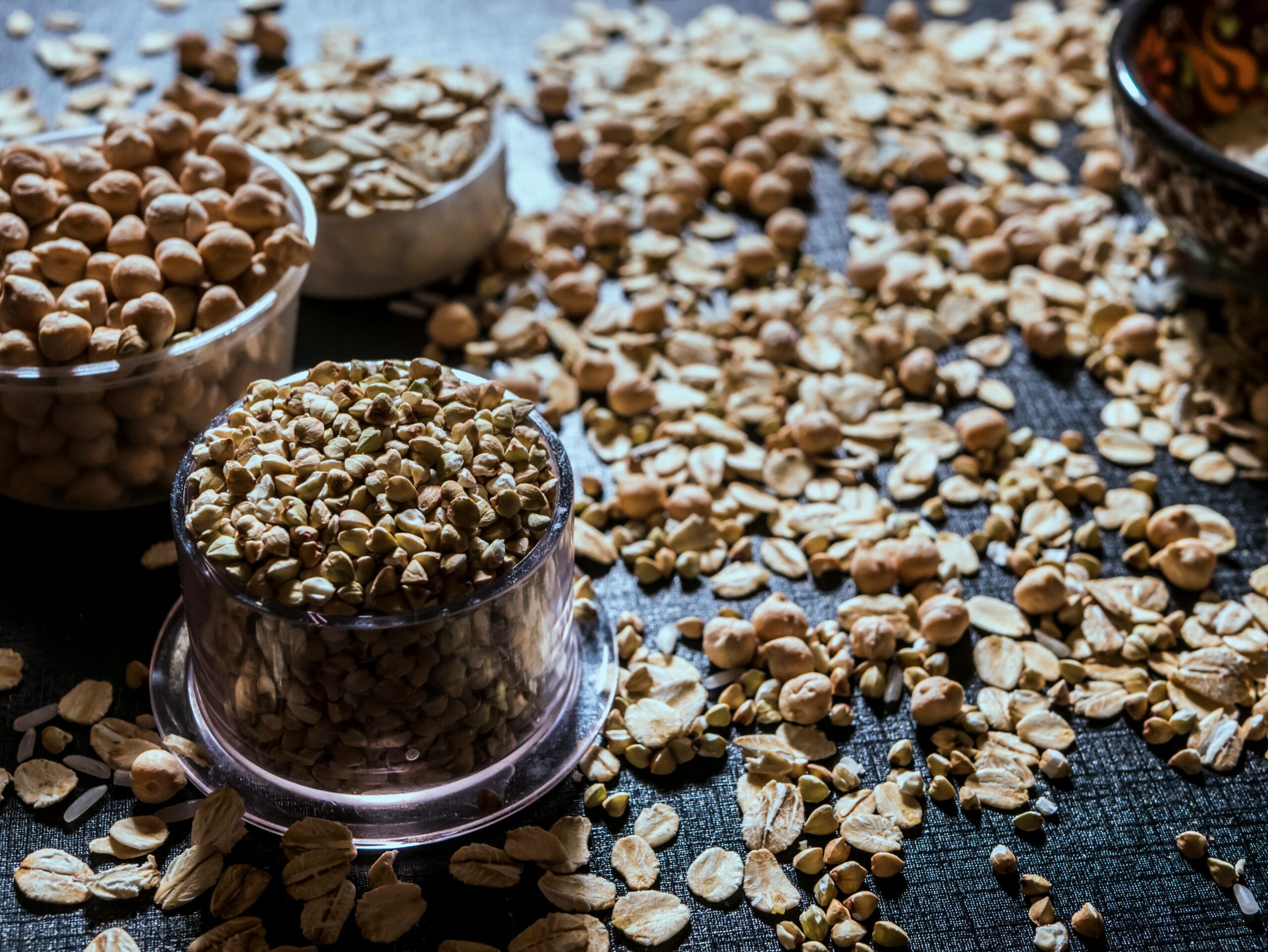
A well-stocked gluten-free pantry includes: several types of gluten-free flour or a quality all-purpose blend, rice (white and brown), quinoa, gluten-free pasta, cornstarch or arrowroot for thickening, xanthan gum or psyllium husk, certified gluten-free oats, and a variety of beans and lentils. These basics cover everything from weeknight dinners to weekend baking projects.
Flavor Enhancers
Keep your meals exciting with: tamari or coconut aminos, gluten-free Worcestershire sauce, a collection of pure spices and dried herbs, quality olive oil and other cooking oils, gluten-free chicken and vegetable stock, canned tomatoes, and tomato paste. These ingredients add depth and complexity to simple dishes.
Baking and Snacking Supplies
Round out your pantry with: chocolate chips (verify gluten-free status), pure vanilla extract, baking powder and baking soda, coconut sugar or other sweeteners, nut butters, dried fruits, nuts and seeds, and gluten-free crackers or pretzels for quick snacks.
🌟 Smart Shopping Strategies for Gluten-Free Success
Developing efficient shopping habits saves time, money, and stress while ensuring you always have safe ingredients available.
Shop the Perimeter First
Grocery store perimeters typically contain whole, unprocessed foods like fresh produce, meats, dairy, and eggs—most naturally gluten-free options. Fill your cart with these nutritious basics before venturing into the center aisles where processed foods (and potential gluten sources) dominate.
Find Your Gluten-Free Section
Most major grocery stores now maintain dedicated gluten-free sections. While convenient, don’t limit yourself to this area alone. Many naturally gluten-free products reside in regular aisles, often at lower prices than specialty items. Compare options from both sections to find the best quality and value.
Use Technology to Your Advantage
Several smartphone apps help gluten-free shoppers identify safe products quickly. These apps feature barcode scanners that instantly reveal whether products contain gluten, user reviews from the gluten-free community, and lists of certified gluten-free products. Popular options include Fig, Gluten Free Scanner, and Spoon Guru, which make grocery shopping faster and more confident.
Buy in Bulk When Possible
Gluten-free specialty items often cost more than conventional products. Purchasing larger quantities of flour blends, pasta, and other staples from wholesale retailers or online suppliers reduces costs. Just ensure you have proper storage containers to maintain freshness.
🎯 Eating Out and Traveling Gluten-Free
Your gluten-free ingredient knowledge extends beyond home cooking. Understanding menu terminology and asking the right questions keeps you safe while dining out or traveling.
Restaurant Communication
Always inform servers about your gluten-free needs and ask about preparation methods. Questions to ask include: Are vegetables sautéed in butter or oil (butter might contain cross-contamination if used for other dishes)? How are proteins seasoned? Are French fries cooked in dedicated fryers? Does the restaurant have a separate gluten-free menu or preparation area?
Travel Preparation
When traveling, research gluten-free restaurants at your destination beforehand. Pack portable gluten-free snacks like nuts, dried fruit, rice crackers, and protein bars. Consider booking accommodations with kitchen facilities, allowing you to prepare some meals yourself. Translation cards explaining your dietary needs in the local language prove invaluable when traveling internationally.
💡 Thriving on Your Gluten-Free Journey
Mastering gluten-free ingredients transforms restriction into opportunity. Armed with this comprehensive glossary, you can confidently navigate grocery aisles, experiment with new recipes, and enjoy diverse, flavorful meals without worry. The gluten-free lifestyle becomes second nature as you develop familiarity with safe ingredients and reliable brands.
Remember that eating gluten-free doesn’t mean eating less delicious food—it simply means eating differently. Your expanding ingredient knowledge opens doors to cuisines and dishes you might never have explored otherwise. From ancient grains to innovative flour blends, the gluten-free world offers remarkable variety and nutrition.
Start building your gluten-free pantry gradually, experimenting with different flours and alternative ingredients to discover your favorites. Connect with the gluten-free community online and locally to share tips, recipes, and product recommendations. Most importantly, be patient with yourself as you learn. Every shopping trip and meal preparation adds to your expertise, making the gluten-free lifestyle easier and more enjoyable over time.
Your health deserves this investment of time and attention. With these ingredients at your fingertips and knowledge in your mind, you’re fully equipped to shop smarter, eat healthier, and enjoy truly worry-free meals every single day! 🌈