Navigating a gluten-free lifestyle can feel overwhelming, especially when gluten hides in unexpected places. Understanding where this protein lurks is essential for managing celiac disease, gluten sensitivity, or personal dietary choices.

Whether you’ve recently been diagnosed with celiac disease or are simply exploring a gluten-free lifestyle, the journey begins with education. Gluten isn’t just in bread and pasta—it’s a master of disguise, appearing in countless products you’d never suspect. From medications to cosmetics, from salad dressings to soy sauce, this sneaky protein can undermine your health efforts if you’re not vigilant. This comprehensive guide will equip you with the knowledge to identify hidden gluten sources and become an expert at decoding food labels, transforming your shopping experience from frustrating to empowering.
🔍 What Exactly Is Gluten and Why Does It Matter?
Gluten is a composite protein found primarily in wheat, barley, and rye. It acts as a binding agent, giving dough its elasticity and helping bread rise to that fluffy texture we all recognize. While harmless to most people, gluten triggers serious health complications for those with celiac disease—an autoimmune condition affecting approximately 1% of the population globally.
For individuals with celiac disease, consuming even tiny amounts of gluten causes the immune system to attack the small intestine’s lining, damaging the villi responsible for nutrient absorption. This can lead to malnutrition, osteoporosis, infertility, neurological conditions, and even certain cancers if left untreated. Non-celiac gluten sensitivity affects an estimated 6% of the population, causing uncomfortable symptoms like bloating, fatigue, and brain fog without the intestinal damage.
Understanding gluten’s impact on your body is the first step toward taking control of your health. The only effective treatment for celiac disease remains a strict, lifelong gluten-free diet, making label reading and awareness of hidden sources absolutely critical.
The Obvious Culprits: Recognizing Primary Gluten Sources
Before diving into hidden sources, let’s establish the obvious gluten-containing grains you should always avoid. Wheat appears in numerous forms—including spelt, kamut, farro, durum, semolina, and bulgur. Barley shows up in malt products, beer, and certain vinegars. Rye is commonly found in traditional breads and some whiskeys.
Standard baked goods like bread, cakes, cookies, pastries, and crackers typically contain wheat flour. Pasta, unless specifically labeled gluten-free, is made from wheat. Breakfast cereals, unless certified gluten-free, often contain wheat, barley malt, or contaminated oats. Pizza, bagels, pretzels, and most tortillas are traditional gluten sources.
These primary sources are relatively easy to identify and avoid once you’re aware. The real challenge begins when gluten appears where you least expect it.
🕵️ Hidden Gluten Sources That Might Surprise You
Condiments and Sauces
Your pantry likely contains multiple hidden gluten sources. Soy sauce traditionally contains wheat, though tamari offers a gluten-free alternative. Teriyaki sauce, hoisin sauce, and oyster sauce frequently contain wheat-based soy sauce. Many salad dressings use wheat as a thickener or contain malt vinegar. Marinades often include soy sauce or other gluten-containing ingredients.
Ketchup and mustard are usually safe, but always check labels for modified food starch or malt vinegar. Barbecue sauces may contain malt vinegar or Worcestershire sauce, which traditionally contains barley malt. Gravies and cream sauces are typically thickened with wheat flour unless specifically made gluten-free.
Processed Meats and Protein Products
Deli meats, hot dogs, sausages, and bacon can contain wheat-based fillers, hydrolyzed wheat protein, or be processed on equipment shared with gluten-containing products. Imitation seafood like crab sticks almost always contains wheat. Meatballs and meatloaf often include breadcrumbs as a binder. Veggie burgers and plant-based meat alternatives frequently use wheat gluten (seitan) as a primary ingredient.
Even seasoned or marinated fresh meats can be problematic if the marinade contains gluten. Self-basting turkeys often contain modified food starch from wheat.
Beverages
Beer is made from barley and is decidedly not gluten-free, though gluten-removed and gluten-free beers are now available. Malt beverages, malted milk, and some chocolate drinks contain barley malt. Certain flavored coffees and coffee substitutes may include barley. Some vodkas are distilled from wheat, though distillation theoretically removes gluten proteins—a topic of debate in the celiac community.
Energy drinks and meal replacement shakes sometimes contain barley malt or wheat-based ingredients. Always scrutinize ingredient lists carefully.
Soups and Broths
Canned and boxed soups frequently use wheat flour as a thickener. Bouillon cubes and powdered soup bases often contain hydrolyzed wheat protein or wheat-based ingredients. Cream soups are particularly suspect. Even “broth” products may contain gluten, so certified gluten-free versions are your safest bet.
Snack Foods
Potato chips might seem safe, but some flavored varieties contain malt vinegar or wheat-based seasonings. Pretzels are typically made from wheat. Rice crackers may be processed on shared equipment or contain soy sauce. Licorice candy traditionally contains wheat flour. Many chocolate bars contain barley malt or wheat-based crisps.
Trail mixes may include wheat-based cereal pieces. Seasoned nuts can harbor hidden gluten in flavorings. Energy bars frequently contain wheat, barley, or oats that aren’t certified gluten-free.
Dairy Products
Plain milk, butter, and most cheeses are naturally gluten-free, but complications arise with processed dairy. Flavored yogurts may contain wheat-based thickeners or cookies. Blue cheese is sometimes made with bread cultures. Processed cheese spreads can contain gluten-based stabilizers. Ice cream may include cookie dough, brownies, or wheat-based thickeners.
Medications and Supplements
This category catches many people off-guard. Pharmaceutical companies often use wheat starch as a binding agent in tablets and capsules. Over-the-counter medications, vitamins, and supplements may contain gluten. Always check with your pharmacist or contact manufacturers directly, as ingredients can change and aren’t always clearly labeled.
Prescription medications should be verified as gluten-free with your pharmacist each time you fill a prescription, as manufacturers and formulations can change.
📋 Mastering the Art of Food Label Reading
Becoming an expert label reader is your most powerful tool for maintaining a gluten-free diet. The FDA requires foods labeled “gluten-free” to contain less than 20 parts per million (ppm) of gluten—a threshold considered safe for most people with celiac disease.
Understanding Mandatory Allergen Labeling
In the United States, the Food Allergen Labeling and Consumer Protection Act (FALCPA) requires wheat to be clearly identified when present in foods. Look for a “Contains: Wheat” statement after the ingredient list. However, this law doesn’t cover barley or rye, so you must still scan the full ingredient list.
Don’t confuse “wheat-free” with “gluten-free.” A product can be wheat-free but still contain barley or rye. Only “gluten-free” certification ensures the product is safe.
Ingredient Names That Signal Gluten
Certain ingredient names immediately signal gluten presence. Learn to recognize these red flags:
- Wheat (all varieties: spelt, kamut, farro, durum, semolina, einkorn)
- Barley (including malt, malt extract, malt flavoring, malt vinegar)
- Rye
- Triticale (a wheat-rye hybrid)
- Brewer’s yeast
- Wheat starch (unless labeled gluten-free)
- Hydrolyzed wheat protein
- Wheat germ, wheat bran
Ambiguous Ingredients Requiring Investigation
Some ingredients require deeper investigation as they may or may not contain gluten depending on their source:
- Modified food starch (gluten-free if from corn, potato, or tapioca; problematic if from wheat)
- Maltodextrin (usually gluten-free in the US when made from corn, but verify)
- Natural flavors (rarely contain gluten, but contact manufacturer if concerned)
- Caramel color (typically gluten-free)
- Dextrin (usually corn-based and safe, but malt dextrin contains barley)
- Starch or food starch (should be labeled if from wheat)
- Glucose syrup (typically gluten-free even when wheat-derived due to processing)
- Seasonings or spices (pure spices are safe; blends may contain anti-caking agents with gluten)
Gluten-Free Certification Symbols
Look for trusted certification symbols that indicate third-party testing and verification. The Gluten-Free Certification Organization (GFCO) uses a circle with “GF” and requires products to contain less than 10 ppm of gluten—stricter than FDA standards. The Crossed Grain symbol from the Coeliac Society is recognized internationally. The NSF gluten-free certification is another reliable marker.
These certifications mean manufacturers have implemented rigorous testing and production protocols to prevent cross-contamination, providing extra peace of mind.
🏪 Strategic Shopping for a Gluten-Free Lifestyle
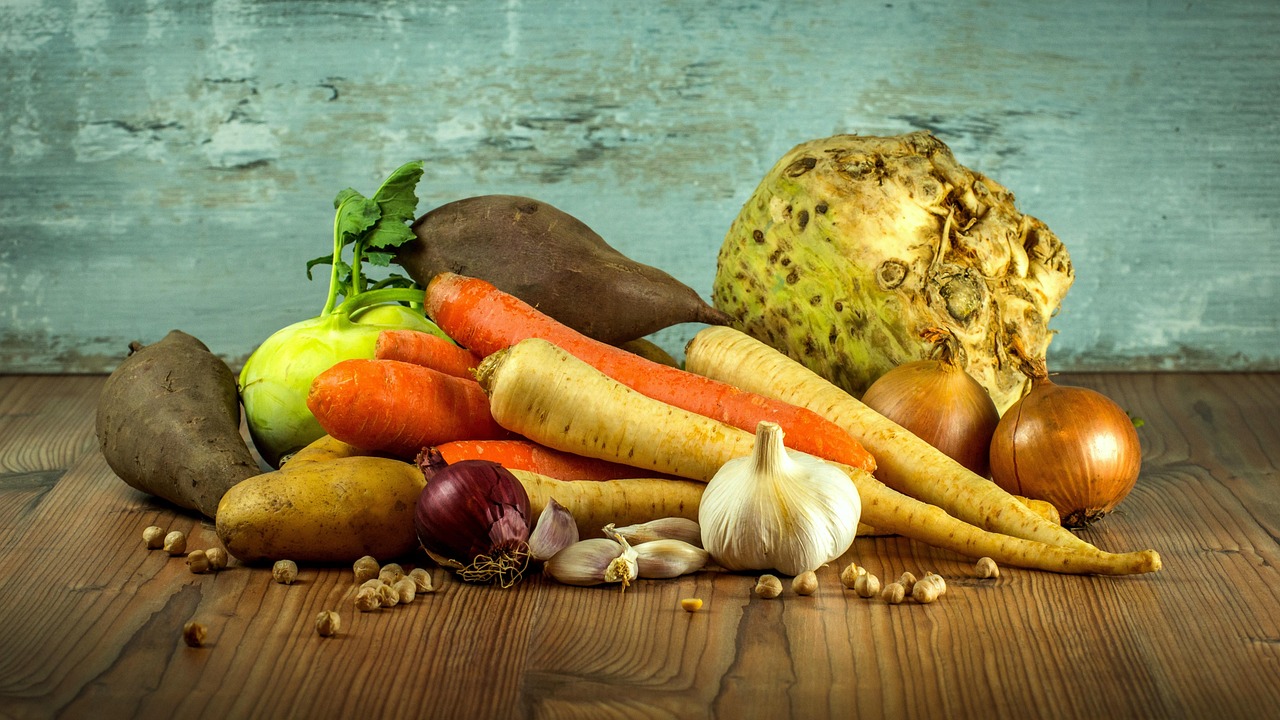
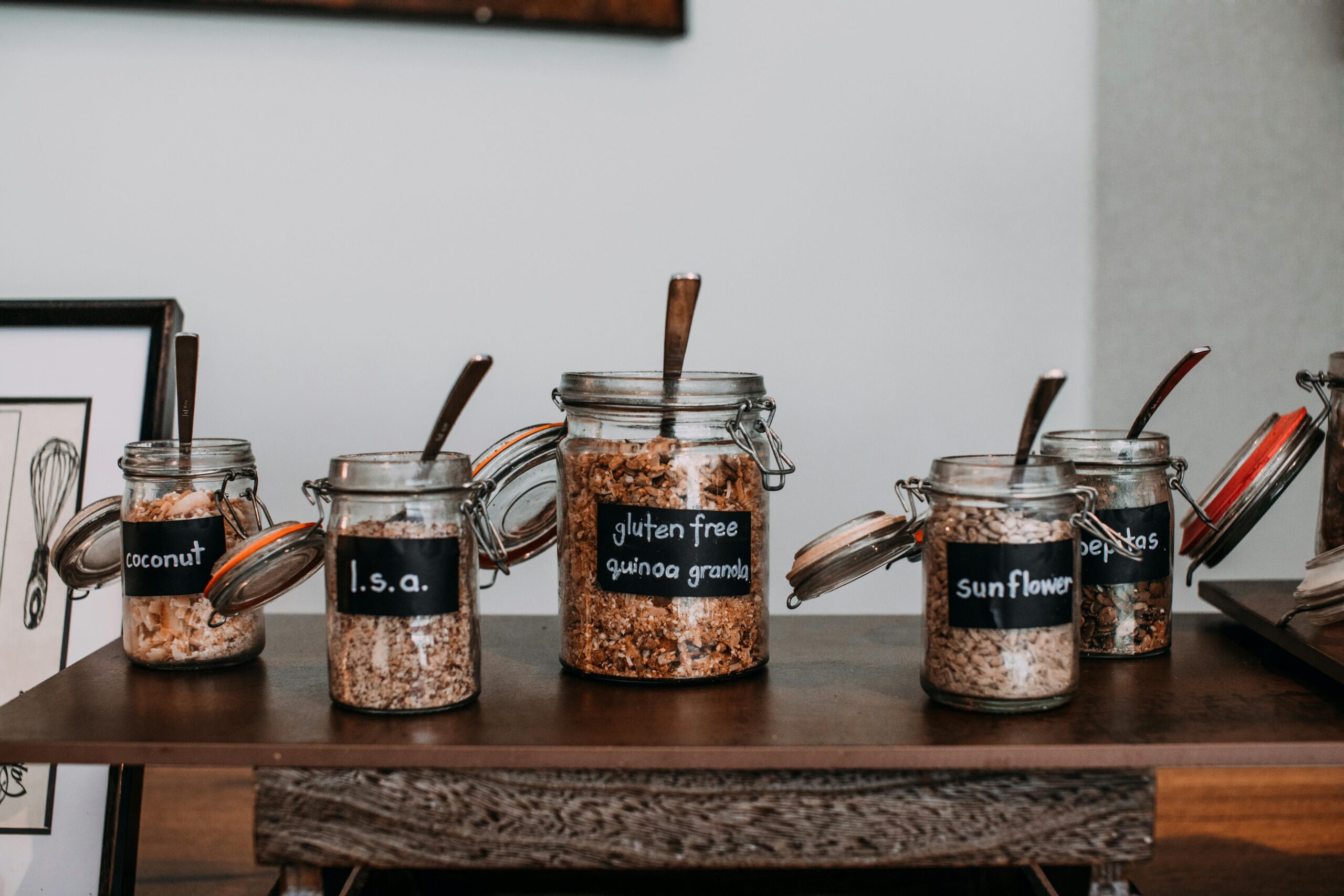
Smart shopping strategies can simplify your gluten-free journey. Start by focusing on naturally gluten-free whole foods: fresh fruits and vegetables, unprocessed meats and fish, eggs, plain dairy products, beans, legumes, nuts, and seeds. Rice, quinoa, buckwheat (despite its name, it’s gluten-free), millet, and amaranth are safe grain alternatives.
Shop the perimeter of the grocery store where fresh, whole foods are typically located. The center aisles contain more processed foods with hidden gluten risks. Many stores now feature dedicated gluten-free sections, making shopping more efficient.
When buying packaged goods, stick with brands you trust and that consistently label clearly. Keep a running list on your phone of verified safe products. Don’t assume a product is safe just because it was last time—manufacturers change formulations, so check labels regularly.
Cross-Contamination Considerations
Even products made with gluten-free ingredients can become contaminated during manufacturing. Shared equipment, production lines, or facilities can introduce gluten traces. Manufacturers may include statements like “processed in a facility that also processes wheat” or “may contain wheat.”
For highly sensitive individuals, these warnings matter. Products certified gluten-free undergo testing to ensure contamination levels stay below safe thresholds. Oats deserve special mention—they’re naturally gluten-free but almost always cross-contaminated during growing and processing. Only buy certified gluten-free oats.
🍽️ Dining Out Without the Stress
Restaurant dining presents unique challenges but doesn’t have to be abandoned. Research restaurants beforehand—many now offer gluten-free menus or clearly mark gluten-free options. Call ahead during non-peak hours to discuss your needs with management.
When ordering, clearly communicate that you require gluten-free food due to a medical condition, not just preference. This ensures kitchen staff takes proper precautions. Ask about preparation methods—grilled chicken is safe only if the grill isn’t shared with breaded items. French fries cooked in dedicated fryers are fine; those sharing oil with breaded foods are not.
Be cautious with sauces, dressings, and marinades. Request plain, grilled, or steamed preparations with oil and herbs. Avoid fried foods unless the restaurant guarantees dedicated gluten-free fryers. Cross-contamination in restaurant kitchens is common, so higher-end establishments with trained staff and separate preparation areas are often safer choices.
💡 Technology to Support Your Gluten-Free Journey
Modern technology offers valuable support for gluten-free living. Numerous smartphone apps help identify safe products, scan barcodes for instant gluten information, and locate gluten-free restaurants. These digital tools can significantly reduce the stress and time involved in maintaining your diet.
Barcode scanning apps allow you to quickly verify products while shopping. Restaurant finder apps show nearby gluten-free friendly establishments with reviews from the celiac community. Recipe apps offer thousands of tested gluten-free recipes. Community forums connect you with others navigating similar challenges, providing support and sharing discoveries about new products and hidden gluten sources.
🏡 Creating a Safe Gluten-Free Home Environment
If you live with others who eat gluten, preventing cross-contamination at home requires strategy. Dedicate separate toasters, cutting boards, colanders, and cookware for gluten-free use. Wooden spoons and cutting boards can harbor gluten in scratches and should not be shared.
Store gluten-free products on higher shelves to prevent contamination from crumbs falling down. Use squeeze bottles for condiments rather than shared jars where knives double-dip. Clean surfaces thoroughly before preparing gluten-free foods. Label gluten-free items clearly to prevent accidental use by others.
When baking, use separate containers of flour, baking powder, and other ingredients. Even a small amount of regular flour in the air can contaminate gluten-free products for sensitive individuals.
🌟 Building Confidence in Your Gluten-Free Knowledge
Transitioning to a gluten-free lifestyle involves a learning curve, but you’ll develop intuition over time. What initially feels overwhelming becomes second nature as you memorize safe brands, recognize problematic ingredients instantly, and develop routines that work for your lifestyle.
Stay current with gluten-free news and research. Food manufacturers constantly reformulate products, and new gluten-free options enter the market regularly. Join online communities where members share alerts about newly unsafe products or exciting new finds.
Consider connecting with a registered dietitian specializing in celiac disease or gluten-related disorders. They can ensure you’re meeting nutritional needs, as newly diagnosed individuals often have deficiencies requiring attention. They can also provide personalized guidance for your specific situation.
📚 Empowering Yourself Through Education
Knowledge is your greatest weapon against hidden gluten. Understanding food processing, manufacturing practices, and ingredient sources helps you make informed decisions. Many national celiac organizations offer educational resources, workshops, and updated product lists.
Don’t hesitate to contact manufacturers directly with questions about specific products. Most companies maintain consumer hotlines and can provide detailed ingredient sourcing information. Document responses for future reference, as formulations change.
Educate friends, family members, and co-workers about your dietary needs. The more people understand that gluten-free isn’t a fad diet for you but a medical necessity, the more supportive your environment becomes. Provide clear guidelines about cross-contamination when others cook for you.
🎯 Moving Forward With Confidence
Unmasking hidden gluten sources and mastering food labels transforms from daunting task to empowering skill. While the initial adjustment period requires effort and vigilance, the health improvements you’ll experience make every label read and every careful food choice worthwhile.
Remember that mistakes happen, especially early in your journey. If you accidentally consume gluten, be kind to yourself, learn from the experience, and move forward. Each challenge teaches you something new about navigating your gluten-free life more successfully.
Your health deserves this attention and care. By becoming an expert at identifying hidden gluten and decoding labels, you’re taking control of your wellbeing and ensuring that every meal supports rather than sabotages your body. The gluten-free community is vast, supportive, and growing daily—you’re never alone in this journey.
Armed with this knowledge, you can confidently walk through any grocery store, read any label, and make informed decisions that protect your health. The world of gluten-free living is more accessible than ever, with better products, clearer labeling, and more awareness than previous generations ever experienced. Embrace this knowledge, trust your growing instincts, and enjoy the vibrant health that comes from truly understanding what you’re putting in your body.